Built-In Storage Solutions for Small Homes: Practical Space-Saving Strategies
-

- March 14th, 2026
- 821 views
Maximizing Space with Built-In Storage Solutions for Small Homes
Built-in storage solutions for small homes convert wasted or underused areas into reliable, permanent storage without sacrificing style. This guide focuses on practical, code-aware, and cost-effective approaches to add cabinetry, shelving, concealed compartments, and multi-use furniture that integrate with the architecture.
- Detected intent: Informational
- Goal: Add durable, space-efficient built-ins that increase usable storage in small homes
- Includes: S.T.O.R.E. checklist, real-world example, 5 practical tips, 5 core cluster questions
Why built-ins beat free-standing pieces in small homes
Built-in storage reduces visual clutter and custom-fits storage into awkward spaces—beneath stairs, around chimneys, within eaves, or above appliances. Compared with free-standing furniture, built-ins recover lost floor area, improve circulation, and can be designed to meet structural and fire-safety requirements when done correctly.
Built-in storage solutions for small homes: key categories
Closet and wardrobe systems
Convert shallow closets into layered storage with pull-out drawers, vertical dividers, and integrated shoe racks. Modular closet hardware and custom shelving make vertical use of the full cavity.
Under-stair and hallway storage (under-stair storage ideas)
Under-stair cavities are perfect for drawers, pull-out pantries, or a compact home office. Design sliding panels for easy access and consider ventilation for enclosed modules that store linens or shoes.
Window seats, benches, and banquettes
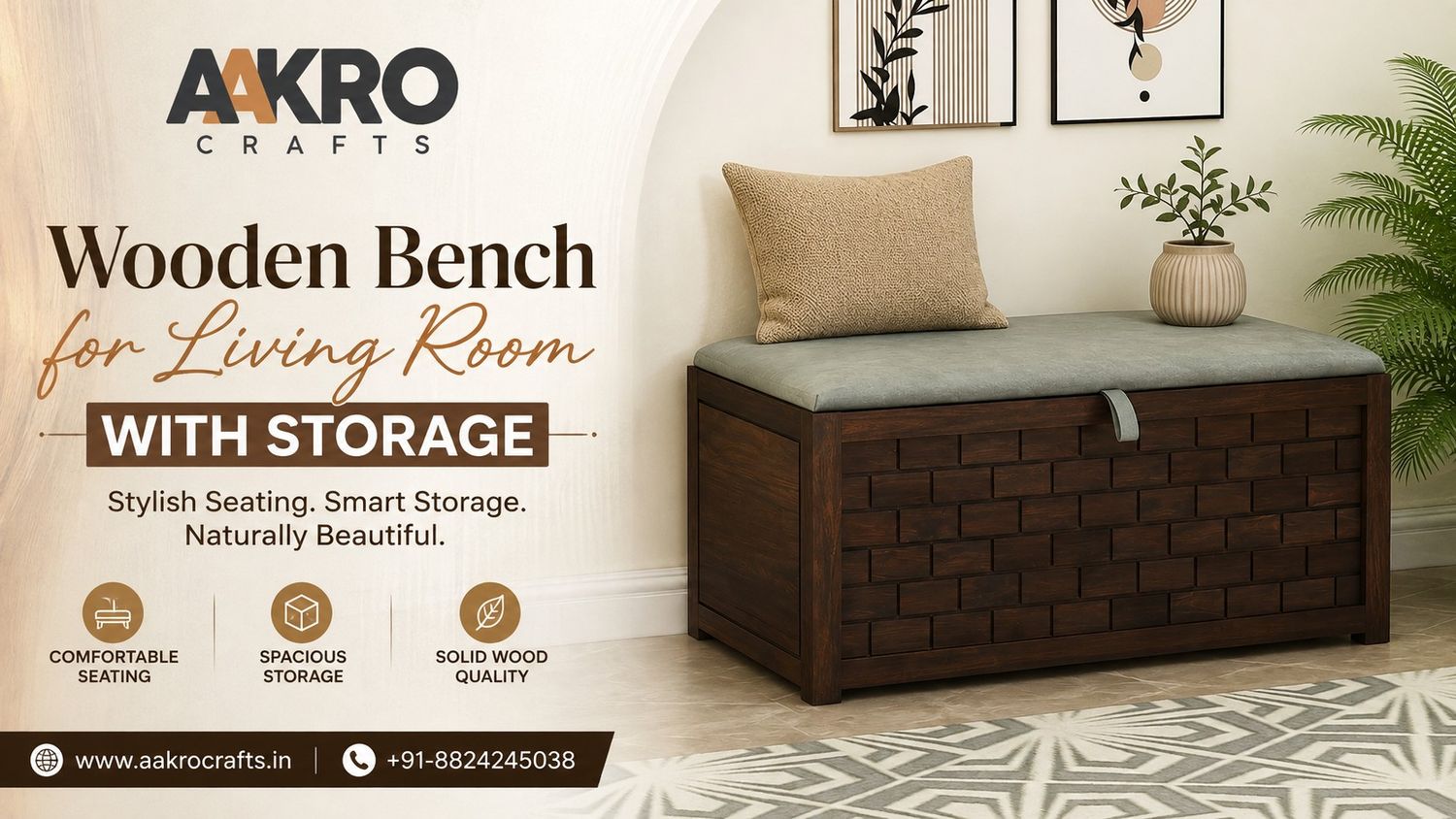
Bench seats with internal drawers or hinged lids create comfortable seating plus storage for toys, tools, or seasonal items. Use drawer slides rated for the expected load.
Built-in beds and lofts
Murphy beds, platform beds with deep storage, and loft sleeping areas free floor space for daytime use. Integrate lighting, outlets, and book niches to avoid extra furniture.
Floating shelves and recessed niches
Recessed shelving in bathroom walls, kitchen splashbacks, and entryways provides storage without protruding into pathways. Floating open shelves keep items accessible and visually light.
S.T.O.R.E. framework: a named checklist for planning built-ins
Use the S.T.O.R.E. framework to plan built-ins methodically:
- Survey – Map out dimensions, clearances, and structural elements (studs, load-bearing walls, HVAC, plumbing).
- Target – Identify what will be stored (size, frequency, weight) and assign zones (daily use vs. long-term).
- Optimize – Choose access types (drawers, pull-outs, hinged doors), materials, and hardware to match use and budget.
- Reinforce – Plan for framing, anchoring, ventilation, and lighting; check local building rules and clearances.
- Execute – Sequence installation: framing, plumbing/electrical adjustments, finish carpentry, and trims for airtight fit.
Practical example: 600 sq ft apartment
Scenario: A 600 sq ft one-bedroom apartment needs storage for clothing, kitchen gear, and seasonal items without losing living area. Apply the S.T.O.R.E. framework:
- Survey: Under the stairwell (adjacent hall) has 3 ft of height at the low end, full height at the top.
- Target: Shoes, coats, vacuum, and seasonal boxes.
- Optimize: Install tapered pull-out drawers and vertical cubbies for coats; add a shallow pantry beside the kitchen.
- Reinforce: Add blocking for drawer slides; ensure egress path remains clear; add LED strip lighting inside drawers.
- Execute: Use plywood carcasses and discreet face panels to match existing trim for a built-in look.
Materials, hardware, and building considerations
Choose plywood or MDF for carcasses depending on budget and moisture exposure; select drawer slides and hinges with appropriate load ratings. For any changes that affect egress, fire separation, or structural elements, consult local building codes. For guidance about code impact on alterations, see the International Code Council.
Practical tips: 5 actionable ways to maximize built-in storage
- Use vertical space: Install shelves and cabinets to the ceiling and add a stable stepstool for access.
- Favor drawers over deep shelves: Drawers keep items visible and accessible without crawling into cabinets.
- Plan zones by frequency: Store daily items at waist-to-eye level and seasonal items high or low.
- Integrate multi-use elements: Combine seating, storage, and display (e.g., a bench with cubbies and cushions).
- Standardize dimensions: Use consistent shelf spacing and drawer sizes to simplify organization and future changes.
Trade-offs and common mistakes
Trade-offs to consider
Custom-built-ins cost more upfront than ready-made furniture but typically last longer and fit awkward geometry. Removable modular systems are cheaper and flexible but may not fully use space under eaves or around fixed structures.
Common mistakes
- Ignoring circulation and door swing clearances—measure twice, check clearance arcs.
- Overbuilding in low-use areas—avoid deep, hard-to-reach compartments for frequently used items.
- Skipping reinforcement for heavy loads—install blocking where heavy drawers or appliances will anchor.
Core cluster questions
- How to design built-in storage for narrow hallways?
- What materials are best for long-lasting built-in cabinets?
- How to integrate lighting and outlets into built-ins safely?
- How to convert awkward sloped ceilings into usable storage?
- What are budget strategies for semi-custom built-ins?
Installation and contractor tips
Obtain accurate measurements and elevations; use a template for repeated units. If hiring contractors, request a scope that specifies blocking, finish grades, hardware models, and access panels. Seek references and look at previous installs to check fit-and-finish quality.
FAQ
What are the best built-in storage solutions for small homes?
Best solutions depend on layout and storage needs. High-value choices include under-stair cabinets, built-in wardrobes with drawers, platform beds with deep storage, recessed bathroom niches, and full-height kitchen cabinets that reach the ceiling. Prioritize items based on frequency of use and access.
How much does it typically cost to add built-in storage?
Costs vary widely: simple built-in shelving or bench storage can be a few hundred dollars using stock materials, while custom cabinetry or structural alterations commonly range from a few thousand to higher depending on finishes and complexity. Get multiple quotes and consider semi-custom options to control costs.
Can built-in storage be removed later if plans change?
Yes—built-ins can be designed to be reversible, using non-structural framing and accessible anchors. However, fully integrated assemblies that alter walls or electrical circuits may be harder and costlier to remove.
How to make small built-ins feel less heavy or boxy?
Use lighter finishes, open shelving mixed with closed storage, reflective surfaces, and integrated lighting. Keep face panels flush with surrounding trim lines to reduce visual bulk and use continuous paint or stain to blend built-ins with walls.
Do built-ins require permits or inspections?
Minor, non-structural built-ins often don't require permits, but work involving structural changes, electrical, or plumbing may. Check local building codes and permitting requirements before starting renovations to avoid costly rework.