Divine Adornments: Meaning and Traditions of Shringar Poshak, Crowns, and Sacred Dress
-
- Published Updated
- 1,737 views
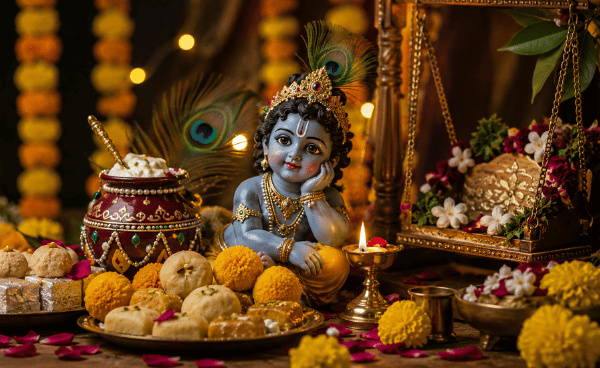
God's Shringar Poshak describes the ceremonial dress, crowns, and ornaments used to adorn murtis (deities) in Hindu worship. These garments and crowns function as visual theology: they express divine qualities, support ritual practice such as puja and aarti, and connect communities to shared storytelling and artistic craft.
God's Shringar Poshak—comprising crowns, embroidered dresses, and jewelry—serves symbolic, ritual, and cultural roles in temples and home shrines. Materials, regional styles, and care practices vary; artisans and temple authorities follow traditional patterns that reflect theology, local aesthetics, and seasonal observances. Preservation and respectful handling are integral to maintaining both artistic value and religious significance.
Understanding God's Shringar Poshak: Symbolism and Purpose
Adornment of deities is a widely observed practice in many Hindu traditions, including Vaishnavism and Shaivism. A crown (mukut) often symbolizes sovereignty and divine authority, while the shringar poshak (dress and ornaments) can represent abundance, purity, compassion, or specific mythic episodes. The choice of color, fabric, and jewels frequently encodes theological ideas: saffron or gold hues may connote sanctity and light; blue garments are associated with specific forms of Vishnu, while white can indicate purity or renunciation.
Materials, Craftsmanship, and Artistic Techniques
Common materials
Traditional garments and crowns use silk, brocade, cotton, gold or silver threads (zari), glass and semi-precious stones, and metalwork for crowns and jewelry. Hand-embroidery, appliqué, and block printing are common techniques. Metal crowns are often cast or repoussé-worked and then gilded or inlaid.
Artisans and transmission
Skilled weavers, embroiderers, metalworkers, and stone setters collaborate to create shrine dress and regalia. Knowledge is transmitted through apprenticeship, guilds, and family workshops; academic studies in religious art document these practices for cultural heritage preservation.
Ritual Use, Dressing Protocol, and Care
Ritual protocols
Dressing the deity is often a formal part of daily puja, performed by temple priests or designated caretakers. Specific days, festivals, and life-cycle rites call for particular outfits—for example, seasonal garments for monsoon or harvest festivals, and elaborate regalia during major temple celebrations.
Cleaning and conservation
Care includes gentle cleaning, periodic conservation of textiles and metalwork, and correct storage to prevent insect or moisture damage. Larger temples often maintain conservation routines overseen by authorities, and collaboration with museum conservators can guide long-term preservation strategies.
Regional Styles and Cultural Variation
Regional aesthetics influence style: Bengali traditions may favor specific cotton and silk draping styles for deities, while South Indian temples frequently use heavy brocades and gemstone-studded crowns. Folk forms and local iconography shape how garments are cut, patterned, and ornamented.
Seasonal and festival variations
Festival attire can be dramatically different from daily dress, with more ornate mukuts, layered garments, and special jewelry used for events like Ratha Yatra, Navaratri, or Janmashtami. Seasonal changes also reflect climatic needs and ritual calendars.
Cultural, Artistic, and Heritage Significance
Adornment practices are part of intangible cultural heritage, linking artisanship, religious practice, and community identity. Documentation by academic centers and cultural heritage organizations supports preservation and public understanding. For further academic context on Hindu ritual arts and scholarship, see the Oxford Centre for Hindu Studies' resources here.
Contemporary issues
Contemporary concerns include ethical sourcing of materials, training new artisans, and balancing access for worship with conservation needs. Museums and temples sometimes collaborate to display regalia in educational contexts while ensuring sanctity is respected.
Practical Guidance for Devotees and Caretakers
Handling and storage
Use clean hands or gloves, store garments flat or on supportive mounts, and keep textiles in acid-free materials where possible. Avoid prolonged exposure to direct sunlight and consult textile conservators for fragile or historic pieces.
Commissioning and repair
When commissioning new textiles or restoring crowns, seek skilled artisans familiar with traditional motifs and consult temple authorities about appropriate iconographic and ritual requirements. Documentation of provenance supports cultural continuity.
Legal and ethical considerations
Heritage objects may be subject to local laws on temple property and cultural patrimony. Institutions such as UNESCO and national heritage bodies provide guidance on safeguarding intangible cultural heritage and material conservation.
Conclusion
God's Shringar Poshak, crowns, and dresses are more than decorative objects: they embody theology, ritual practice, artistic skill, and community memory. Understanding the layers of meaning and methods of care helps preserve these living traditions for future generations.
What is God's Shringar Poshak and why is it important?
God's Shringar Poshak refers to the ceremonial dress and ornaments used in deity worship; it is important because it communicates theological attributes, supports ritual practice, and sustains artisan traditions tied to cultural identity.
How are crowns and mukuts crafted for deity worship?
Crowns are crafted by metalworkers and inlayers using techniques such as casting, repoussé, and gilding, and are often set with glass beads or stones; traditional patterns follow iconographic conventions maintained by temple authorities.
How should shrine garments be stored and conserved?
Store garments in cool, dry conditions away from light; use archival materials and consult textile conservators for historic or fragile pieces to prevent deterioration.
Can devotees commission new shringar poshak or mukuts?
Yes. Commissioning is common but should follow temple guidance on iconography and ritual appropriateness; choose artisans experienced in traditional techniques and document provenance for heritage purposes.