7 Meaningful Ways to Observe the Last Friday (Alvida) of Ramadan
-

- Published Updated
- 1,982 views
Introduction
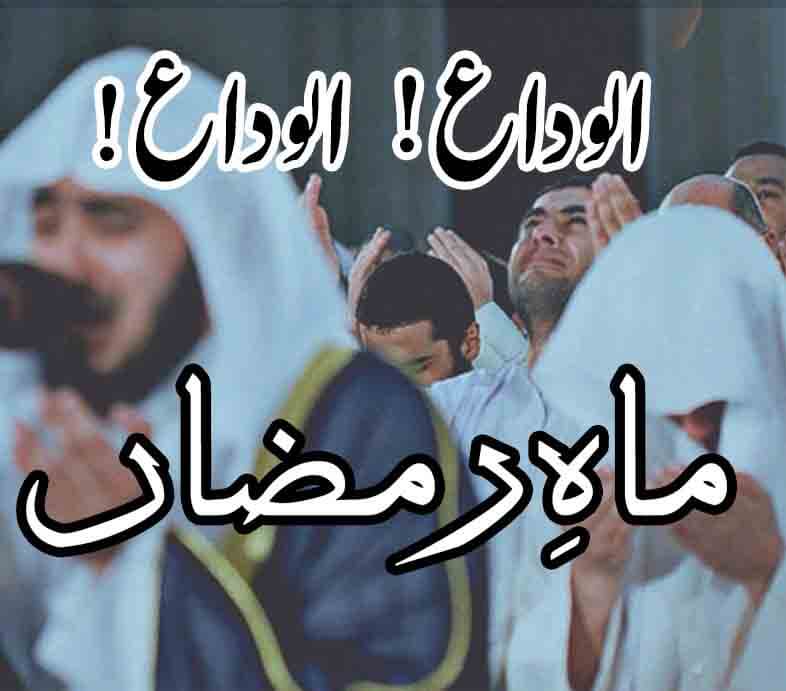
The Last Friday of Ramadan, often called the "Alvida" (farewell) Friday, is a day many Muslims use for extra worship, community action, and preparation for Eid al-Fitr. Practices vary by culture, community, and personal habit: some focus on congregational prayer and Quran recitation, while others prioritize charitable acts and family gatherings. This article outlines seven meaningful activities that fit a range of preferences and abilities.
Key ideas for the Last Friday of Ramadan include attending Jummah prayer, extended Quran recitation, focused dua (supplication), giving sadaqah or zakat, spending time with family, volunteering or community service, and personal reflection to prepare for Eid al-Fitr.
7 Meaningful Activities to Do on the Last Friday of Ramadan
1. Attend Jummah and Seek Quiet Reflection
Jummah (Friday congregational prayer) is a weekly focal point for many Muslim communities. Use the Last Friday of Ramadan to arrive early or stay after prayer for quiet reflection, listening to the khutbah (sermon), and joining the community in communal remembrance. Many mosques offer additional programing during Ramadan; check local mosque schedules for any special talks or supplications.
2. Read or Listen to the Quran with Concentration
The last days of Ramadan are traditionally a time for increased Quran recitation. Select portions that allow for contemplative reading—for example, shorter surahs or translations and tafsir (exegesis) excerpts for deeper understanding. Listening to recorded recitation can also provide an immersive experience for those who are traveling or caring for family.
3. Make Focused Dua and Set Intentions
Supplication (dua) is widely practiced across Muslim communities during Ramadan. The Last Friday of Ramadan can be used to make focused personal and communal supplications, including prayers for family well-being, community cohesion, and intentions for good deeds after Ramadan. Many find it helpful to write a short list of intentions to revisit on Eid and beyond.
4. Give Charity: Sadaqah, Zakat, or Local Support
Charitable giving is an important element of Ramadan observance. Consider giving sadaqah (voluntary charity) or confirming zakat obligations according to individual circumstances and local guidance. Support can take many forms besides money—food donations for iftar, gift packs for families in need, or paying for community services. When seeking data on charitable trends and community needs, consult reputable sources such as census or research organizations for regional context.
5. Volunteer Locally or Help at Community Iftar
Many communities host communal iftars as Ramadan ends. Volunteering to help with setup, distribution, or cleanup is a practical way to contribute time and skills. For volunteers, following local health and safety guidelines and any mosque or community policy is recommended. Volunteering can also be an opportunity to build interfaith and civic connections.
6. Spend Time with Family and Prepare for Eid
The Last Friday of Ramadan is a practical time to finalize Eid preparations: coordinating family plans, preparing modest gifts or food, and checking on relatives who may be traveling or need support. Shared meals, storytelling about family traditions, and simple acts of care strengthen social bonds before the holiday.
7. Personal Reflection and Planning for Post-Ramadan Habits
Use the day to reflect on lessons from Ramadan and to plan realistic habits to maintain afterward—such as regular prayer, reading scripture, or small acts of charity. Setting manageable goals and identifying community resources or study groups can support continuity of spiritual practice beyond the holy month.
Practical Considerations and Community Guidance
Practices and emphases for the Last Friday of Ramadan vary across schools of thought and communities. Local imams, mosque committees, and recognized institutions such as Al-Azhar University or national Islamic councils often provide guidance on congregational times, charitable obligations, and community events. For overviews of Ramadan and its place in global practice, general reference sources such as the Encyclopedia Britannica provide reliable background material: Britannica – Ramadan.
When planning activities, consider accessibility, family responsibilities, travel schedules, and community safety. Religious observance and social action can be balanced with practical needs such as rest and caregiving.
Further Reading and Sources
For contextual information about Ramadan and communal practices, consult scholarly publications in Islamic studies and public surveys on religious practice. Research organizations such as the Pew Research Center and academic institutions publish analysis on religious observance and demographics. Local mosque committees or national religious councils often post event schedules and guidance for Ramadan observances.
Frequently Asked Questions
What is the significance of the Last Friday of Ramadan?
The Last Friday of Ramadan is often observed as a time for intensified worship, communal prayer, and final acts of charity before Eid al-Fitr. Significance varies by tradition: some communities emphasize congregational gatherings, while others focus on private supplication and reflection.
Can non-Muslims participate in community iftars on the Last Friday of Ramadan?
Many communities welcome non-Muslims to attend community iftars or special events as guests. Participation policies vary by mosque and event organizer; checking with local hosts in advance helps ensure appropriate timing, food arrangements, and cultural expectations.
Should charitable giving be timed specifically for the Last Friday of Ramadan?
Charitable giving during Ramadan is common, but timing is a personal or community choice. Some people prefer to make donations before Eid to support those in need during the holiday, while others distribute zakat or sadaqah at different times according to individual circumstances and local guidance.
How can busy individuals make the most of the Last Friday of Ramadan?
Short, focused activities—such as a brief period of Quran recitation, a simple act of charity, or a few minutes of contemplative dua—can make the day meaningful without requiring extensive time. Community events that fit personal schedules provide additional options.
Are there special mosque services or readings for the Last Friday of Ramadan?
Some mosques schedule additional talks, recitations, or communal supplications during the final days of Ramadan. Checking local mosque bulletins, social channels, or community notices will provide current information about event times and formats.