Medicine Reminder Plan: Daily Medication Management for Chronic Conditions
-

- Published Updated
- 379 views
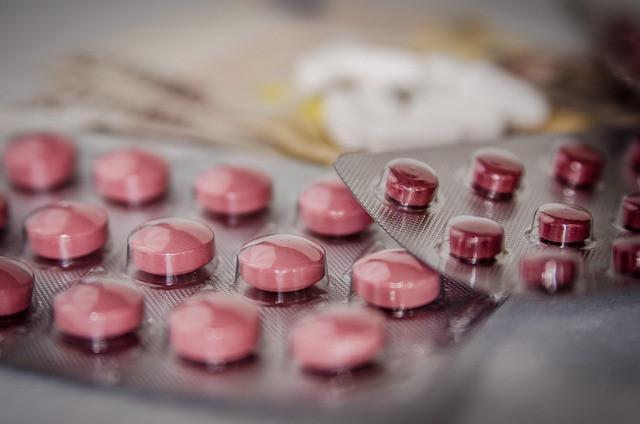
Consistent dosing matters for symptom control and safety — a clear medicine reminder for chronic condition makes daily medication simple and reliable. This guide explains a practical plan, offers a named checklist, shows a short example, and lists actionable tips to improve adherence without overcomplication.
- Use the MEDS checklist to design a daily medication routine.
- Choose reminders that match lifestyle: alarms, pill boxes, calendar alerts, or a daily routine cue.
- Track adherence, review with a clinician, and adjust the plan to reduce errors.
What a successful medicine reminder for chronic condition looks like
A reliable medicine reminder for chronic condition combines a clear schedule, a reminder method that fits daily life, backup fail-safes, and periodic review with care providers. Effective systems reduce missed doses, reduce double-dosing risk, and integrate with other health tasks like refills and symptom logs.
MEDS checklist: a named framework to build the reminder plan
The MEDS checklist is a simple framework to design and evaluate a medication reminder system.
- Meds list — Maintain an up-to-date list of all medications, dose, timing, and purpose. Include OTCs and supplements.
- Environment — Place medications and reminder devices where daily routines naturally occur (kitchen, bathroom, bedside).
- Dosing routine — Fix medications to existing daily anchors (breakfast, bedtime, brushing teeth) or set reliable alarm times.
- Support & Safety — Add backup reminders, monitoring (pill counts, digital logs), and a plan for refills and emergencies.
Step-by-step setup: implement the medicine reminder
1. Create the medication master list
Write each drug name, dose, frequency, time-of-day instructions (with or without food), prescribing clinician, and pharmacy contact. Keep a printed copy and a digital copy.
2. Choose reminder methods
Match tools to daily habits. Options include:
- Basic phone alarms or calendar alerts — flexible and widely available.
- Smartphone reminders or apps designed for a daily medication schedule app — useful when multiple meds and dose tracking are needed.
- Physical aids: weekly pill organizers, blister packs from the pharmacy, or labeled pill bottles.
- Caregiver calls or automated dispensers for those with complex regimens or memory challenges.
3. Link medications to daily anchors and backups
Attach each dose to a regular behavior (meals, sleep, hygiene) and add a secondary reminder (alarm or caregiver check) 15–30 minutes later to catch missed doses.
4. Test and refine
Try the system for two weeks, note missed doses or confusion points, and adjust timing, location, or tools. Schedule a medication review with a clinician every 3–6 months or after changes.
Practical tips to improve adherence
- Set alarms with clear labels (medication name and dose) rather than generic sounds.
- Use a weekly pill box for visual confirmation of doses taken; combine with a daily check mark on a calendar.
- Time medications alongside daily routines (morning coffee, bedtime) to create a habit cue.
- Keep a small emergency supply and set refill alerts two weeks before running out.
- Share the medication list with a caregiver or family member and grant access to any app's shared-safety features when needed.
Common mistakes and trade-offs
Common mistakes
- Over-reliance on a single reminder without a backup (battery failure, missed alarm).
- Keeping medications out of sight to "avoid clutter" which removes visual cues and increases missed doses.
- Using complicated apps without training — leads to incorrect logging or ignored notifications.
Trade-offs to consider
Simple alarms are low-cost and low-friction but provide no adherence data. Medication apps can track doses and generate reports for clinicians but require setup and occasional troubleshooting. Automated dispensers reduce human error but add cost and maintenance. Choose based on regimen complexity, patient tech comfort, and resource availability.
Real-world example
Scenario: A patient with hypertension takes two medications — an ACE inhibitor each morning and a diuretic in the evening. Using the MEDS checklist:
- Meds list: Recorded names, morning vs evening timing, refill dates.
- Environment: Morning pill kept beside the coffee maker; evening pill beside the toothbrush.
- Dosing routine: Morning dose tied to the first cup of coffee, evening dose tied to bedtime routine.
- Support & Safety: Phone alarms set for both doses plus a weekly pill box verification on Sunday evening; refill alert set for pharmacy two weeks before the supply runs out.
After two weeks the patient missed an evening dose twice; switching the evening cue from "bedtime" to "after dinner" improved adherence because dinner timing was more consistent.
Monitoring and reviewing progress
Track adherence using a simple log: date, time taken, missed or doubled dose, and any side effects. Share summaries with the prescribing clinician to adjust dose timing or simplify the regimen. For authoritative guidance on medication safety and adherence, consult the Centers for Disease Control and Prevention: CDC — Medication Safety.
When to get help
Seek clinical help if side effects appear, doses are frequently missed despite reminders, or cognitive decline interferes with safe dosing. Pharmacists can often provide blister packaging or synchronization of refills to reduce the number of medication pickups.
FAQ: What is a medicine reminder for chronic condition and how do I start?
Start with the MEDS checklist: create a complete medication list, pick reminder methods that match daily habits, attach doses to daily anchors, add backups, and test the system for two weeks. Adjust based on missed-dose patterns and clinician input.
FAQ: Which reminder methods work best for complex regimens?
For multiple daily doses or many medications, combine a digital tool (app or programmed dispenser) with a physical weekly organizer and caregiver notifications. The trade-off is complexity vs. improved safety and tracking.
FAQ: How can elderly patients set up pill reminder strategies without a smartphone?
Use audible alarms (simple alarm clocks), large-print medication lists, color-coded pill boxes, and a caregiver call schedule. Pharmacies can provide blister packaging to simplify daily doses.
FAQ: How often should a medication adherence plan be reviewed?
Review the plan after any medication change, every 3–6 months for stable regimens, or sooner if adherence drops or side effects occur.
FAQ: Can a daily medication schedule app replace a pill box?
Apps help with reminders and tracking but do not provide the tactile confirmation a pill box gives. Combining an app with a pill box offers reminder notifications and visual dose confirmation, improving overall adherence.