How Meditation Can Support Inner Peace and Self-Awareness
-

- Published Updated
- 5,211 views
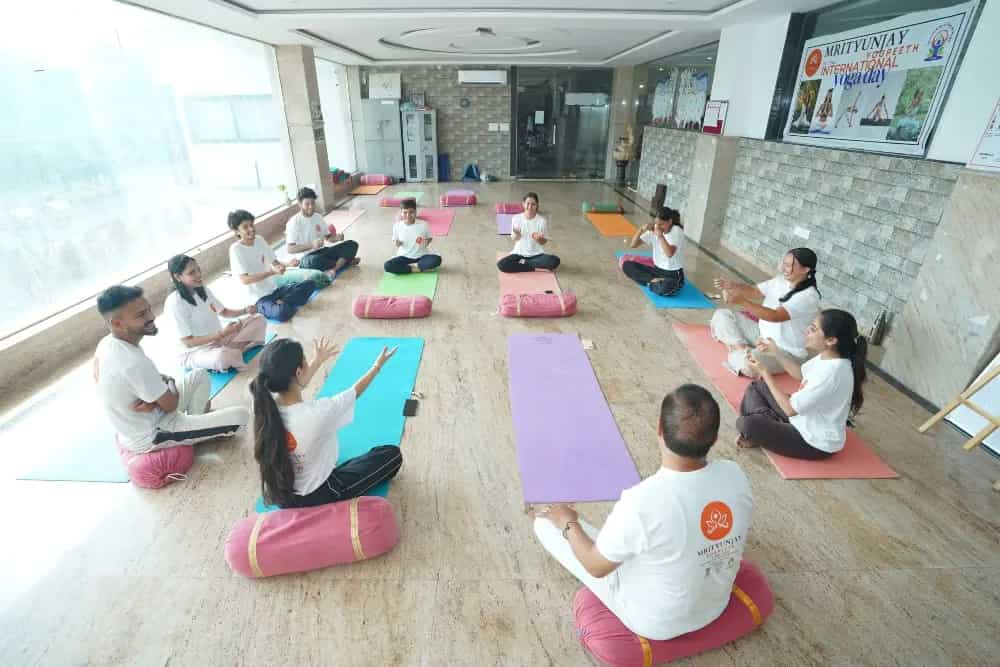
In today’s fast-paced world, finding time to slow down and reconnect with yourself can be challenging. Constant digital stimulation, work responsibilities, and daily pressures can make it difficult to maintain a sense of inner calm. Meditation offers a simple yet meaningful practice for developing greater awareness of thoughts, emotions, and everyday experiences.
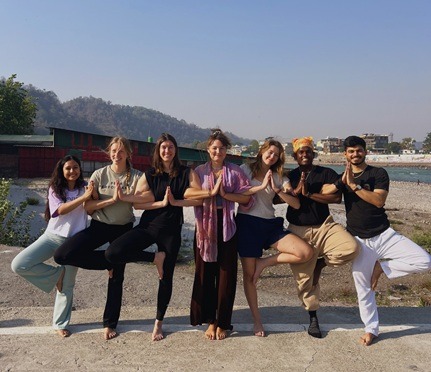
For people seeking a deeper approach to mindfulness and personal growth, Spiritual Healing Retreats in Rishikesh provide an immersive environment where meditation can become part of a broader yogic lifestyle. Rishikesh, situated along the Ganges and widely known for its yoga traditions, attracts practitioners from around the world who want to explore yoga, meditation, pranayama, and spiritual practices.
But how exactly can meditation support inner peace and self-awareness? Let’s explore the connection between meditation, mindfulness, and personal transformation.
What Is Meditation?
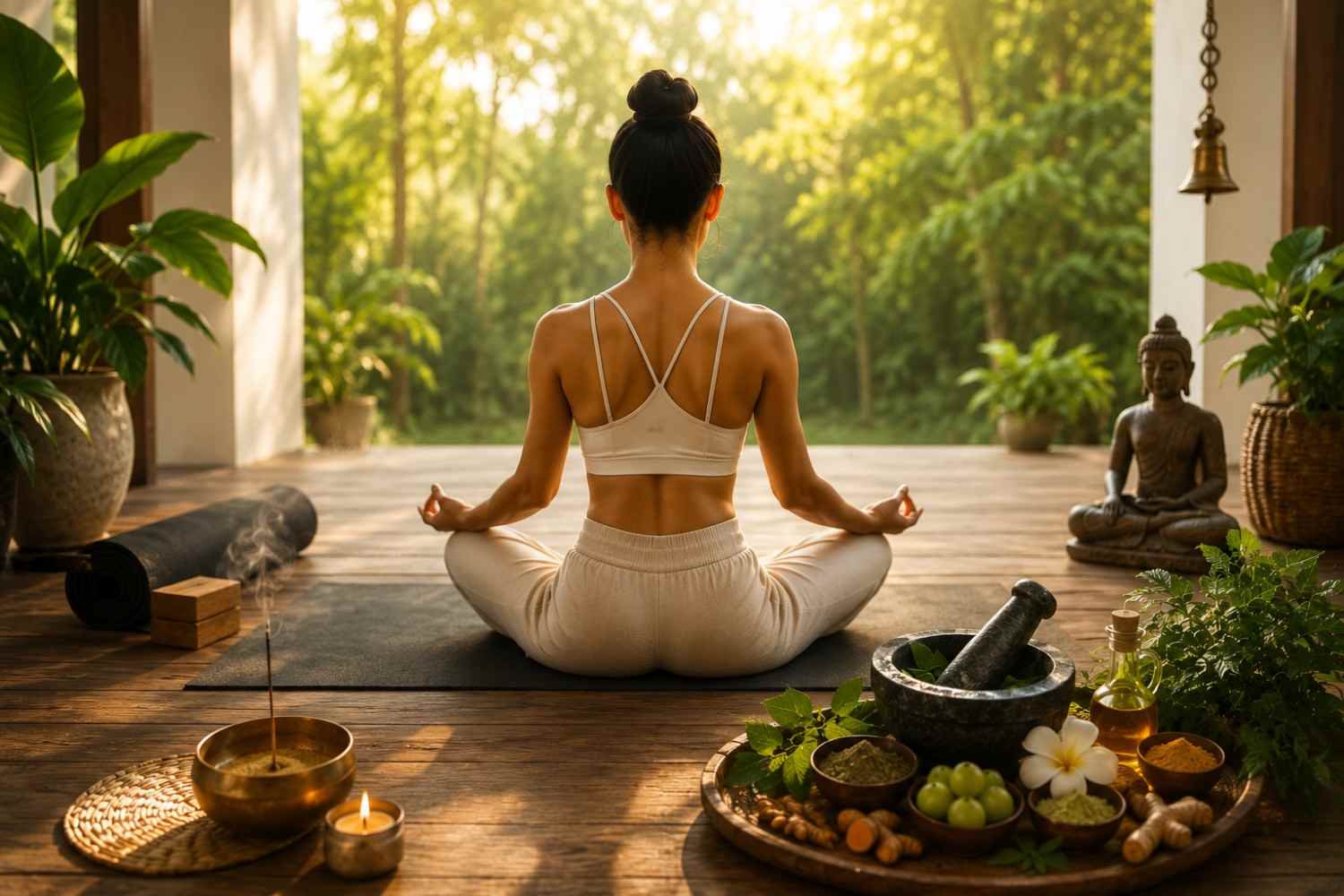
Meditation is a practice that involves intentionally directing attention toward a particular object, activity, sensation, or present-moment experience. Depending on the tradition, meditation may involve observing the breath, repeating a mantra, practicing mindfulness, visualizing an image, or developing focused awareness.
Rather than trying to eliminate thoughts completely, many meditation practices encourage practitioners to observe thoughts without immediately reacting to them.
With consistent practice, meditation can become a tool for developing greater awareness of the relationship between thoughts, emotions, sensations, and actions.
Understanding Inner Peace Through Meditation
Inner peace does not necessarily mean having a life without problems or difficult emotions. Instead, it can refer to developing a calmer and more balanced relationship with whatever happens.
Meditation encourages you to pause before reacting. When you sit quietly and observe your breathing or thoughts, you create space between an experience and your response to it.
For example, instead of immediately reacting to frustration, you may begin to notice:
- What triggered the emotion
- How your body responds
- What thoughts are appearing
- How strongly you want to react
- Whether another response is possible
This awareness can gradually encourage more conscious responses to everyday situations.
How Meditation Supports Self-Awareness
Self-awareness means developing a clearer understanding of your thoughts, emotions, habits, values, and behavioral patterns.
Meditation provides an opportunity to observe your internal experience without constantly being distracted by external activities.
1. Observing Your Thoughts
The mind naturally produces thoughts throughout the day. Meditation allows you to notice these thoughts without automatically accepting or following every one of them.
For example, during meditation you might notice thoughts about work, relationships, future plans, or past experiences. Instead of becoming absorbed in them, you can acknowledge them and gently return your attention to the breath.
Over time, this practice can help you recognize recurring thought patterns.
2. Becoming More Aware of Emotions
Meditation can encourage you to notice emotions as they arise.
Rather than immediately labeling an emotion as good or bad, you can observe how it feels physically and mentally. This creates an opportunity to understand emotional reactions more clearly.
Developing this awareness can be particularly useful when dealing with everyday stress and emotional challenges.
3. Recognizing Behavioral Patterns
Many behaviors become automatic through repetition. Meditation creates a space where these patterns can become more visible.
You may begin to notice patterns such as constantly checking your phone, worrying about future situations, avoiding uncomfortable emotions, or reacting quickly to certain situations.
Awareness is an important first step toward making intentional changes.
The Connection Between Yoga and Meditation
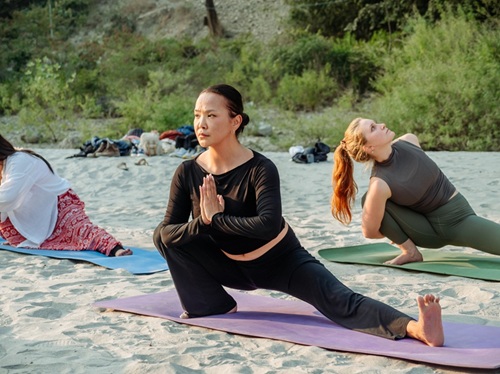
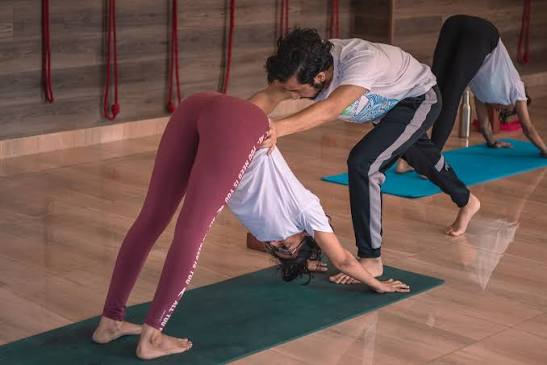
Yoga and meditation have long been practiced together within traditional yogic systems. While physical yoga practices can develop awareness of the body, meditation can encourage deeper observation of the mind.
A holistic yoga practice may include:
- Asana
- Pranayama
- Meditation
- Mantra
- Yoga philosophy
- Mindfulness
- Relaxation practices
Combining these practices can create a structured approach to physical, mental, and spiritual development.
This is one reason many people choose Spiritual Healing Retreats in Rishikesh when they want to explore meditation alongside traditional yoga practices.
Why Rishikesh Is Associated With Meditation and Yoga
Rishikesh has a long-standing connection with yoga, meditation, spirituality, and Indian philosophical traditions. Located beside the Ganges and surrounded by the Himalayan foothills, the city provides an environment that many visitors find conducive to reflection and contemplation.
The area is home to numerous yoga schools, ashrams, meditation centers, and retreat programs.
For international visitors, spending several days in Rishikesh can also provide a break from familiar routines and distractions. A retreat environment can make it easier to establish dedicated time for meditation and self-reflection.
What Happens During a Meditation Practice?
Meditation practices differ according to tradition and individual goals. A simple mindfulness meditation may follow these steps:
Step 1: Find a Comfortable Position
Sit comfortably with your spine naturally aligned. You can sit on a meditation cushion, chair, or other stable surface.
Step 2: Bring Attention to Your Breath
Notice the natural rhythm of inhalation and exhalation without trying to control it.
Step 3: Observe Your Thoughts
Thoughts will naturally appear. Instead of trying to force them away, acknowledge them and return your attention to the breath.
Step 4: Notice Physical Sensations
Pay attention to sensations such as tension, warmth, movement, or relaxation.
Step 5: Practice Without Judgment
The objective is not to achieve a completely empty mind. The practice is about repeatedly returning to awareness.
Even a few minutes of consistent practice can provide an opportunity to pause and observe your internal state.
Meditation and Mindfulness in a Retreat Environment
One of the advantages of attending a retreat is having dedicated time away from normal routines.
At home, meditation can easily be interrupted by work, social media, household responsibilities, and other distractions. A retreat creates a structured environment where participants can dedicate more time to practices such as meditation, yoga, pranayama, and reflection.
A typical retreat experience may combine several practices rather than focusing exclusively on sitting meditation.
Depending on the program, participants may explore:
- Guided meditation
- Hatha Yoga
- Pranayama
- Mantra meditation
- Yoga Nidra
- Mindfulness
- Yoga philosophy
- Sound-based practices
- Ayurvedic wellness approaches
This integrated approach can help participants explore different methods of cultivating awareness.
Spiritual Healing Retreats in Rishikesh and Inner Reflection
The term “spiritual healing” can mean different things to different people. For some, it involves reconnecting with personal values and purpose. For others, it may involve meditation, yoga philosophy, prayer, contemplation, or developing a deeper connection with themselves.
Spiritual Healing Retreats in Rishikesh can provide a dedicated setting for this type of exploration.
Rather than viewing a retreat simply as a holiday, participants can use the experience as an opportunity to step away from habitual routines and create space for reflection.
The combination of yoga, meditation, pranayama, traditional practices, and a peaceful environment can encourage a more intentional approach to personal wellbeing.
How Long Should You Meditate?
There is no universal duration that works for everyone.
Beginners can start with approximately 5–10 minutes per day and gradually increase the duration as they become comfortable.
A simple progression might look like:
| Experience Level | Suggested Practice |
|---|---|
| Beginner | 5–10 minutes |
| Regular practitioner | 10–20 minutes |
| Experienced practitioner | 20–30+ minutes |
Consistency is generally more practical than trying to meditate for a long period occasionally.
The objective should be to establish a sustainable practice rather than treating meditation as a performance.
Meditation Is Not About Stopping All Thoughts
A common misconception is that successful meditation requires completely eliminating thoughts.
This can create unnecessary frustration.
The mind naturally produces thoughts. Meditation instead provides an opportunity to notice when attention has wandered and gently bring it back.
Every time you recognize that your attention has drifted and return to your chosen focus, you are practicing awareness.
This simple process is central to many meditation techniques.
Creating a Meditation Practice After a Retreat
The benefits of a retreat experience can become more meaningful when meditation continues after returning home.
You can create a simple routine by:
- Meditating at the same time each day
- Starting with a realistic duration
- Keeping your meditation space quiet
- Limiting digital distractions
- Practicing mindful breathing during stressful moments
- Combining meditation with gentle yoga
- Maintaining a journal for self-reflection
Consistency helps turn meditation from a temporary retreat activity into a regular part of your lifestyle.
Choosing the Right Spiritual Healing Retreat
If you are considering Spiritual Healing Retreats in Rishikesh, research the program carefully before booking.
Consider factors such as:
- Retreat duration
- Daily schedule
- Meditation practices offered
- Yoga styles included
- Teacher experience
- Accommodation
- Food arrangements
- Group size
- Location
- Program structure
- Activities included
- Whether the retreat matches your experience level
A clearly structured program can make it easier to understand what you will experience during your stay.
Final Thoughts
Meditation is a practice of awareness that can help you observe your thoughts, emotions, physical sensations, and behavioral patterns more clearly. Through regular practice, it can become a valuable tool for developing mindfulness and creating moments of calm within a busy lifestyle.
For those looking for a more immersive experience, Spiritual Healing Retreats in Rishikesh offer an opportunity to explore meditation alongside yoga, pranayama, mindfulness, and traditional yogic practices.
Whether you are completely new to meditation or looking to deepen an existing practice, creating dedicated time for stillness and self-observation can be a meaningful step toward greater self-awareness and a more balanced relationship with everyday life.
Frequently Asked Questions
1. Is meditation suitable for beginners?
Yes. Many meditation techniques are suitable for beginners. Starting with a short, guided practice can make the process easier to understand.
2. How often should I meditate?
A consistent daily practice is a practical approach. Beginners can start with 5–10 minutes and gradually increase the duration.
3. What can I expect from Spiritual Healing Retreats in Rishikesh?
Programs vary, but retreats may combine meditation, yoga, pranayama, mindfulness, mantra practices, yoga philosophy, and other holistic activities.
4. Do I need previous yoga experience to attend a retreat?
Not necessarily. Many retreats accommodate beginners, although requirements vary between programs.
5. Why choose Rishikesh for a meditation retreat?
Rishikesh has a strong connection with yoga and meditation traditions and offers an environment where visitors can dedicate time to practice, reflection, and personal growth.