Melbourne Spring Cleaning Guide: Deep Cleaning Secrets & Eco Tips
-
- February 23rd, 2026
- 1,070 views
spring cleaning Melbourne can be efficient, low-waste, and thorough with the right plan and tools. This guide explains deep cleaning strategies tailored to Melbourne homes, including room-by-room checklists, eco-friendly cleaning methods, allergen and mold control, and safe disposal of household chemicals.
- Plan by zone and declutter before deep cleaning.
- Use hot water, steam, and appropriate detergents for surfaces; prioritise ventilation.
- Choose low-toxicity products and follow local disposal rules for hazardous waste.
- Focus on high-touch areas, carpets, upholstery, and hidden mold-prone spaces.
- Seek professional help for large infestations, structural damp, or asbestos concerns.
spring cleaning Melbourne: planning and priorities
Set goals and a realistic schedule
Identify priority areas—kitchen, bathrooms, bedrooms and living spaces—then break work into 2–4 hour sessions to avoid fatigue. Decluttering first reduces cleaning time and allows better access for deep cleaning tools like steam cleaners or vacuums with HEPA filters.
Gather tools and supplies
Essential tools include a high-efficiency vacuum, microfiber cloths, mop with detachable head, grout brush, buckets, disposable gloves, and a spray bottle. Choose cleaning agents suited to the surface: pH-neutral cleaners for timber, enzyme cleaners for organic stains, and diluted bleach only where safe and necessary. Prioritise products labelled low-VOC or eco-friendly to reduce indoor air impacts.
Room-by-room deep cleaning checklist
Kitchen
- Empty and declutter pantry; wipe shelves and check expiry dates.
- Defrost and deep-clean the fridge; remove and wash drawers and seals.
- Clean oven interior, range hood filters, and behind appliances.
- Sanitise benchtops and high-touch handles with appropriate disinfectant.
Bathroom
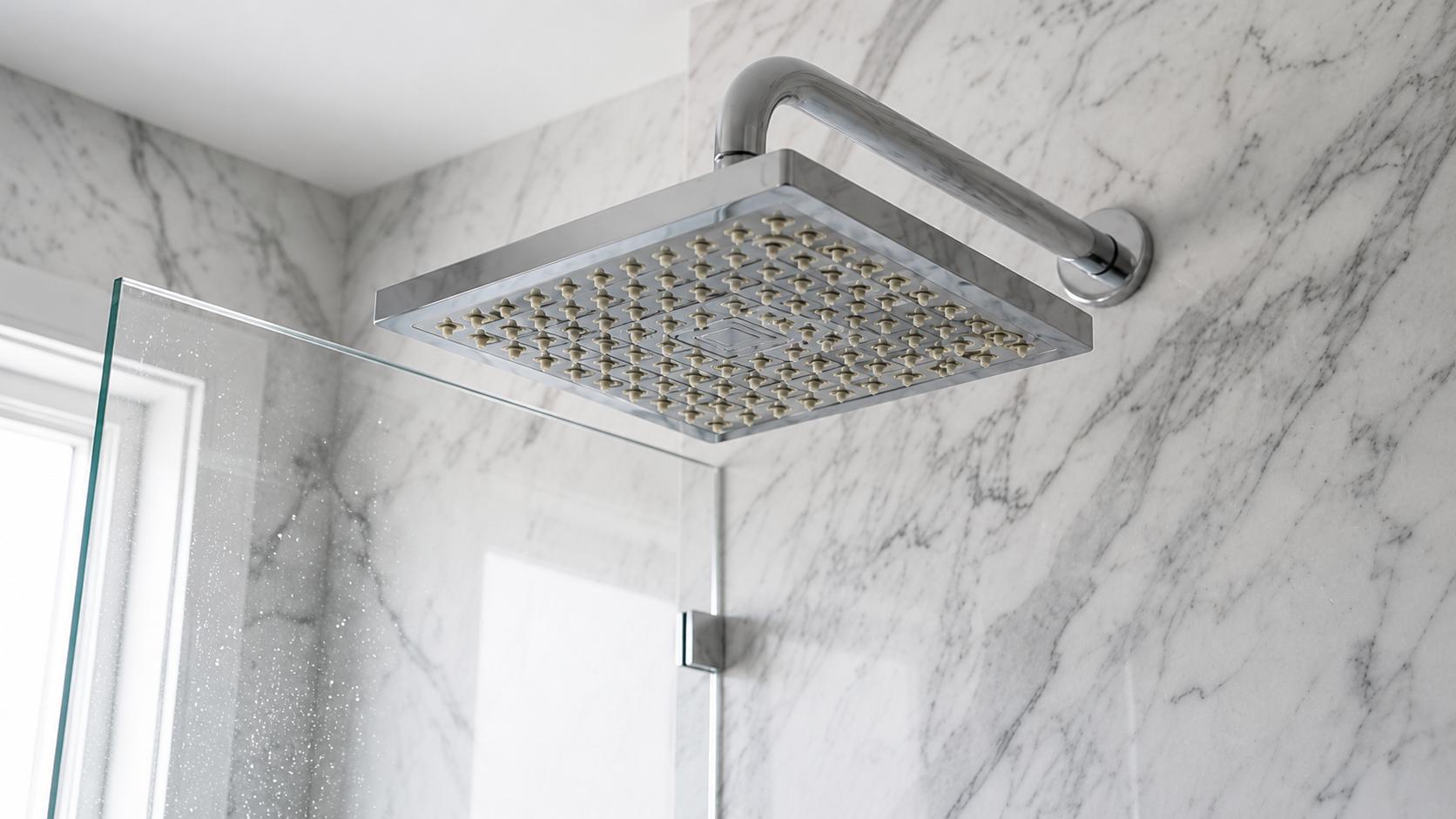
- Descale showerheads and taps; clean grout and tile surrounds with a stiff brush.
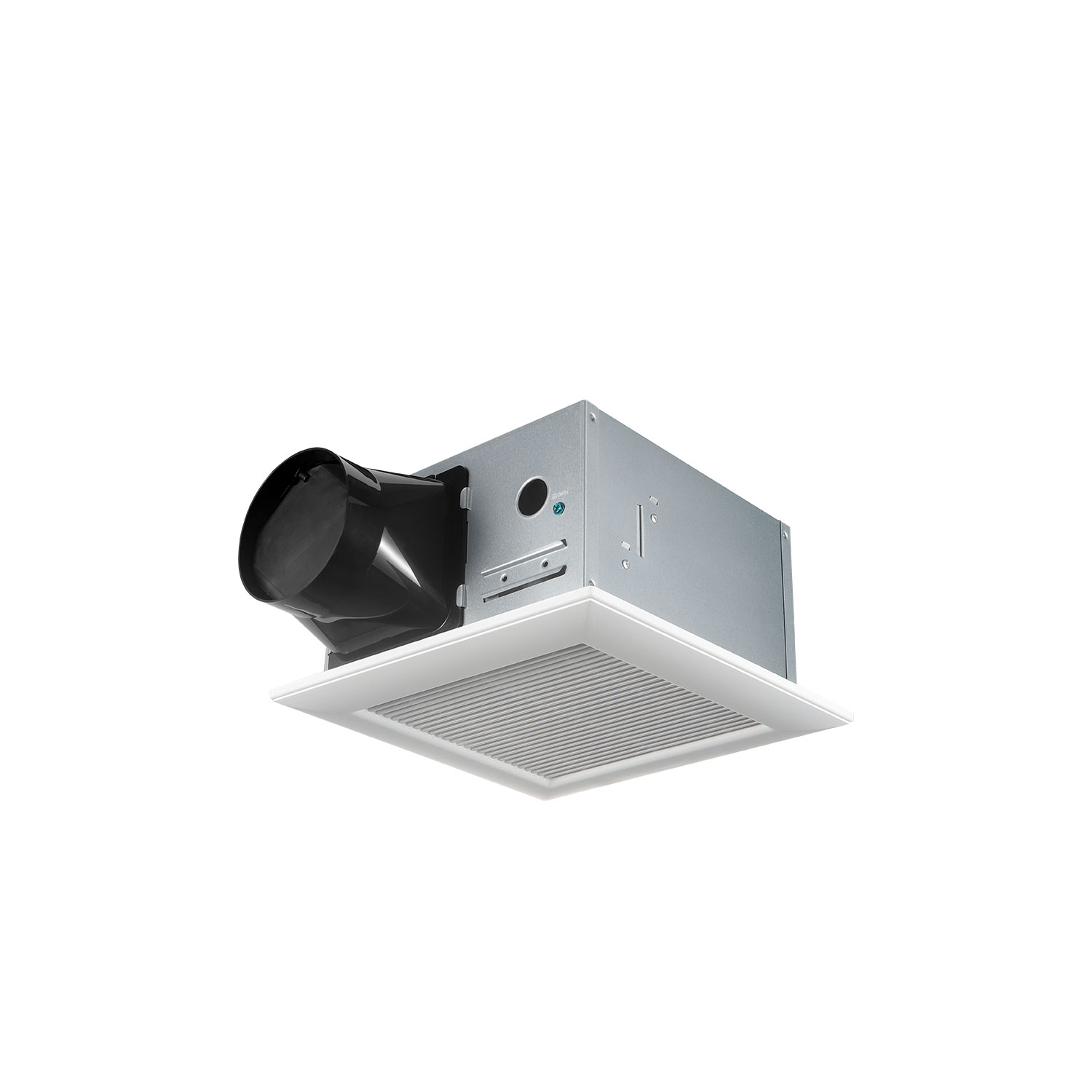
- Use ventilation during and after cleaning to reduce moisture build-up.
- Inspect seals and silicone for mold; replace if degraded.
Living areas and bedrooms
- Vacuum upholstery and mattresses; rotate or air mattresses outdoors where possible.
- Steam-clean carpets or use a professional service for deep stains and allergens.
- Wash curtains, dust ceiling fans and light fixtures, and clean behind furniture.
Health, allergens and mould control
Reduce indoor allergens
Use HEPA-filter vacuums and wash bedding in hot water where fabric care allows. Control humidity below 60% to limit dust mite proliferation; dehumidifiers or mechanical ventilation can help in cooler, damp months common in some Melbourne areas.
Address mould safely
Small patches of visible mould can be cleaned with detergent and water, or a diluted bleach solution applied carefully with good ventilation. Larger infestations or persistent damp should be assessed by a qualified building professional because hidden mould may indicate structural or plumbing issues.
Eco-friendly and safe disposal practices
Choose low-toxicity alternatives
Consider vinegar, bicarbonate of soda (baking soda) and castile soap for many cleaning tasks. Enzyme-based cleaners can break down organic stains without harsh chemicals.
Dispose of hazardous household waste responsibly
Leftover paint, solvents, pesticides and some cleaning products require special disposal. Check local council guidelines for household chemical collection points. For Victorian residents, the Environmental Protection Authority Victoria provides information on correct disposal and recycling of hazardous household waste: EPA Victoria.
When to hire professionals and safety notes
Professional services
Consider professional cleaners for large-scale carpet cleaning, water damage remediation, and removal of biohazards. Licensed trades should handle asbestos, major plumbing leaks, or significant mould remediation. For health guidance related to cleaning and disinfection, refer to advice from public health agencies such as the Australian Department of Health and academic sources like CSIRO on indoor environmental quality.
Safety precautions
Always follow manufacturer instructions for chemical use, ventilate spaces during and after cleaning, and wear protective gloves and eye protection when using strong agents. Never mix bleach with ammonia or acidic cleaners—this can produce toxic gases.
Final checklist and maintenance tips
- Create a monthly, quarterly and annual schedule to keep progress sustainable.
- Keep a small set of repair items—silicone sealant, basic tools, replacement filters—to address issues immediately.
- Store cleaning products safely in a locked or out-of-reach place away from children and pets.
Resources and local considerations
Seasonal weather in Melbourne may affect drying times and humidity; plan exterior tasks for drier days. Local council websites often list safe disposal events and drop-off points for household chemicals. For building safety or health-related concerns, consult licensed tradespeople and public health guidance.
FAQ
How can spring cleaning Melbourne homes safely dispose of leftover paint and chemicals?
Use council hazardous waste collection programs or scheduled drop-off events. Store materials in original containers with labels intact until disposal. For details specific to Victoria, EPA Victoria provides guidance on hazardous household waste disposal.
What are the best eco-friendly cleaners for a deep clean?
Vinegar, baking soda and castile soap are effective for many surfaces. Enzyme-based stain removers work well on organic stains. Avoid abrasive methods on delicate finishes; test a small hidden area first.
When should mould be handled by professionals?
Large, recurring or hidden mould problems, evidence of water intrusion, or mould on porous structural materials should be inspected and remediated by qualified professionals to prevent health risks and structural damage.
Are steam cleaners recommended for deep cleaning?
Steam cleaners can sanitise hard surfaces, clean grout and lift dirt from upholstery and carpets without chemicals. Use according to manufacturer instructions and ensure surfaces tolerate high heat and moisture.