Milia vs Whiteheads: How to Tell the Difference, Causes, and Care
-
- Published Updated
- 1,690 views
Milia vs whiteheads are two common types of small, white bumps that can appear on the face and other areas of the skin. Although they may look similar at first glance, milia and whiteheads have different causes, structures, and recommended approaches for diagnosis and removal.
Milia vs whiteheads: Definitions and how they differ
What are milia?
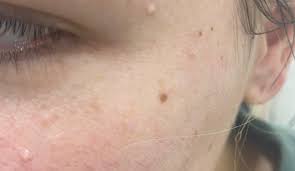
Milia are small (1–2 mm), firm, pearly-white cysts that form when keratin — a structural skin protein — becomes trapped under the outer layer of skin (the epidermis). They are common in newborns but can occur at any age. Milia are not acne and are not caused by bacteria or excess oil production.
What are whiteheads?
Whiteheads, or closed comedones, are a type of acne lesion that develops when a hair follicle becomes clogged with sebum (skin oil), dead skin cells, and sometimes bacteria. The trapped material is covered by a thin layer of skin, producing a white or light-colored bump. Whiteheads are typically associated with acne-prone skin and can occur on the face, chest, and back.
Causes and risk factors
Causes of milia
Milia form when keratin becomes trapped beneath the skin's surface. Possible triggers include minor skin injuries, blistering skin conditions, sun damage, or the use of heavy creams or ointments that interfere with normal skin exfoliation. Newborn milia are common and usually resolve without treatment.
Causes of whiteheads
Whiteheads result from clogged hair follicles. Contributing factors include increased sebum production (often hormonally driven), buildup of dead skin cells, certain medications, and occlusive skincare or cosmetic products. Genetic predisposition and hormonal fluctuations can increase the likelihood of developing comedonal acne.
How dermatologists diagnose and distinguish them
Visual exam and skin history
Diagnosis typically relies on a visual skin exam and medical history. Milia are usually uniform, hard, and stationary; whiteheads may be softer and can show features of acne elsewhere on the face. A dermatologist will look for patterns — such as acne lesions in other areas — to help distinguish between conditions.
When additional tests are used
Rarely, if the appearance is unusual or if lesions recur despite treatment, a biopsy or dermatoscopy may be recommended to confirm the diagnosis. For guidance on common benign skin findings, organizations such as the American Academy of Dermatology provide patient-focused resources and recommendations (see external link below).
Removal options and skincare approaches
Safe removal of milia
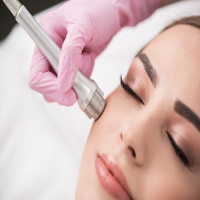
Because milia are cysts beneath the outer layer of skin, at-home extraction attempts using needles or squeezing are not recommended due to risk of scarring or infection. Dermatologists may remove milia using techniques such as sterile needle incision and extraction, microdermabrasion, or laser treatment. For infants, milia usually resolve on their own.
Managing whiteheads
Whiteheads are often managed with over-the-counter topical products (for example, those containing chemical exfoliants) and prescription medications when needed. Common, evidence-based approaches include topical retinoids and alpha- or beta-hydroxy acids that promote follicular exfoliation. Treatments are selected based on skin type, acne severity, and guidance from a dermatologist.
Prevention and general skin care
Preventive measures differ: reducing use of heavy or occlusive cosmetics can help prevent milia in some cases, while gentle exfoliation and maintaining a consistent acne skincare routine can reduce whiteheads. Broad recommendations include non-comedogenic products, sun protection, and avoiding picking at lesions. For product claims or drug approvals, consult regulatory information from agencies such as the U.S. Food and Drug Administration and clinical guidance from dermatology societies.
When to see a dermatologist
Indicators for professional care
Consider seeking dermatologic evaluation when lesions are persistent, painful, infected, change in appearance, or cause cosmetic concern. A dermatologist can confirm whether bumps are milia, whiteheads, or another skin condition and recommend appropriate, safe removal and treatment strategies.
Authoritative resource: American Academy of Dermatology patient information on common skin growths and acne provides additional background and care recommendations. American Academy of Dermatology
Common treatments and outcomes
Expected results
Milia removal by a trained professional typically results in immediate clearance with low risk of recurrence when underlying causes are addressed. Whitehead management may require ongoing topical therapy or prescription treatment, and improvement usually occurs over weeks to months depending on treatment and adherence.
Risks and side effects
Risks vary by procedure and product. Professional extraction reduces the chance of scarring compared with home attempts. Topical medications can sometimes cause irritation or sensitivity; a dermatologist can tailor treatment to minimize side effects.
Key takeaway
Although milia and whiteheads can look similar, they differ in cause, structure, and typical management. Correct identification improves treatment outcomes and reduces the risk of unnecessary procedures or skin damage.
FAQ: What is the difference between Milia vs whiteheads?
Milia are tiny keratin-filled cysts beneath the skin; whiteheads are closed acne comedones formed by clogged hair follicles containing sebum and cells. The different origins lead to different removal and prevention approaches.
FAQ: Can milia and whiteheads appear together?
Yes. It is possible for a person to have both milia and whiteheads, especially if multiple skin or product-related factors are present. Clinical evaluation helps determine the correct diagnosis for each lesion.
FAQ: Are there safe home treatments for milia or whiteheads?
Noninvasive home measures such as gentle chemical exfoliation can help prevent whiteheads, while milia generally require professional removal if persistent. Avoid picking or using unsterile tools; consult a dermatologist for persistent or numerous lesions.
FAQ: How long until milia or whiteheads go away after treatment?
After professional removal, milia often clear immediately and heal within days. Whiteheads treated with topical therapies may take several weeks to months to improve, depending on treatment choice and skin response.