The Growing Importance of Minimally Invasive Surgery and System Navigation in Modern Healthcare
-

- Published Updated
- 9,212 views
The medical industry has experienced remarkable technological advancements over the past few decades. Among the most transformative developments are Minimally invasive surgery and advanced system navigation technologies. These innovations are revolutionizing the way surgeons perform complex procedures by improving precision, reducing complications, and enhancing patient recovery.
Today, hospitals and surgical centers across the world are increasingly adopting navigation-assisted surgical systems to support better clinical outcomes and improve operational efficiency. From orthopedic and spinal procedures to neurosurgery and ENT operations, minimally invasive techniques combined with navigation technology are setting new standards in modern healthcare.
Understanding Minimally Invasive Surgery
Minimally Invasive Surgery refers to surgical procedures performed using small incisions, specialized instruments, and advanced imaging systems. Unlike traditional open surgery, minimally invasive techniques cause less damage to muscles and surrounding tissues.
Surgeons typically use tiny cameras, endoscopic tools, and computer-assisted systems to access the surgical site with greater precision. This approach has become increasingly popular because it improves patient comfort and reduces recovery times.
Common Types of Minimally Invasive Procedures
Minimally invasive surgery is now widely used in several medical specialties, including:
- Spine surgery
- Brain surgery
- Orthopedic procedures
- ENT surgery
- Cardiac surgery
- Abdominal surgery
- Gynecological procedures
The growing success of these procedures is closely linked to the advancement of surgical navigation technologies.
Benefits of Minimally Invasive Surgery
One of the main reasons minimally invasive surgery has gained popularity is the wide range of benefits it offers patients.
Smaller Incisions
Traditional surgeries often require large incisions that can damage muscles and tissues. Minimally invasive procedures use smaller incisions, reducing physical trauma.
Reduced Pain
Patients generally experience less postoperative pain compared to conventional open surgeries because less tissue is disturbed during the procedure.
Faster Recovery
Smaller incisions and reduced tissue damage help patients recover more quickly, allowing them to return to daily activities sooner.
Lower Risk of Infection
Because the surgical openings are smaller, the chances of infection are significantly reduced.
Reduced Blood Loss
Minimally invasive techniques often result in less bleeding during surgery, minimizing the need for blood transfusions.
Shorter Hospital Stay
Many minimally invasive procedures allow patients to leave the hospital earlier, reducing healthcare costs and improving patient convenience.
These advantages make minimally invasive surgery an attractive option for both healthcare providers and patients.
What Is System Navigation?
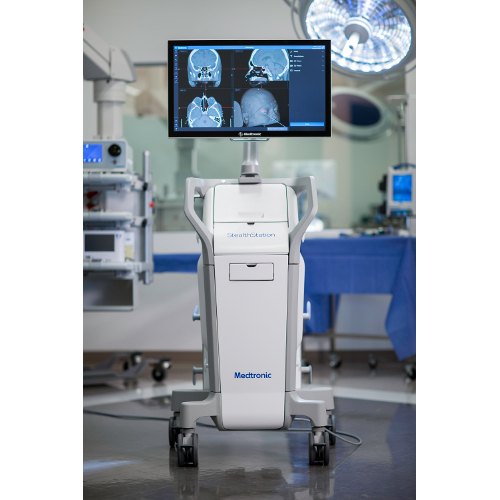
System Navigation is a sophisticated technology used to guide surgeons during medical procedures. It functions similarly to a GPS system by providing real-time visual guidance and accurate anatomical mapping during surgery.
Navigation systems integrate advanced imaging technologies such as CT scans, MRI scans, fluoroscopy, and 3D imaging to help surgeons perform procedures with exceptional accuracy.
How System Navigation Works
The navigation system tracks surgical instruments in real time and displays their exact location on a digital screen. Surgeons can visualize critical structures and monitor instrument movement throughout the procedure.
This technology allows surgeons to:
- Improve surgical precision
- Avoid sensitive nerves and tissues
- Enhance implant placement accuracy
- Reduce surgical complications
- Increase confidence during complex procedures
Navigation-assisted systems have become essential tools in modern operating rooms.
Role of System Navigation in Minimally Invasive Surgery
The success of minimally invasive surgery depends heavily on precision and visualization. Since surgeons operate through smaller openings, direct visibility can be limited. This is where system navigation becomes extremely valuable.
Improved Accuracy
Navigation systems help surgeons precisely identify anatomical landmarks, ensuring accurate placement of implants and instruments.
Enhanced Visualization
Real-time imaging and digital guidance provide a clear view of the surgical area, even in complex anatomical regions.
Safer Procedures
Navigation technology helps reduce the risk of accidental injury to surrounding nerves, blood vessels, and tissues.
Better Outcomes
Improved precision contributes to fewer complications, lower revision rates, and better overall patient outcomes.
The combination of minimally invasive surgery and navigation technology has transformed the way many complex surgeries are performed today.
Applications in Spine Surgery
One of the most significant applications of navigation-assisted minimally invasive surgery is in spine procedures.
Spine Surgery often involves delicate anatomical structures, including the spinal cord and surrounding nerves. Navigation systems assist surgeons in accurately placing pedicle screws and spinal implants.
Benefits in Spine Surgery
- Greater implant accuracy
- Reduced radiation exposure
- Smaller incisions
- Faster patient recovery
- Lower complication rates
Navigation-assisted minimally invasive spine surgery is increasingly becoming the preferred approach for treating spinal disorders.
Applications in Brain Surgery
Brain Surgery is another area where system navigation plays a critical role.
Neuronavigation systems provide highly accurate mapping of brain anatomy, helping neurosurgeons safely perform procedures such as tumor removal and epilepsy surgery.
Advantages in Neurosurgery
- Enhanced surgical precision
- Better protection of healthy brain tissue
- Improved tumor localization
- Reduced neurological complications
These technologies are helping neurosurgeons perform highly complex operations with greater confidence and safety.
Orthopedic and Joint Replacement Procedures
System navigation is also transforming orthopedic surgery, especially joint replacement procedures.
Navigation-assisted knee and hip replacement surgeries help surgeons achieve better implant alignment and joint balance. Improved positioning can enhance long-term implant performance and patient mobility.
Benefits in Orthopedic Surgery
- Better implant positioning
- Improved joint function
- Reduced revision surgeries
- Enhanced patient satisfaction
As orthopedic procedures become more advanced, navigation technology continues to play a vital role in improving surgical outcomes.
Future of Minimally Invasive Surgery and Navigation Technology
The future of Navigation-Assisted Surgery looks extremely promising. Emerging technologies are expected to further improve precision, efficiency, and patient care.
Future Innovations Include:
- Artificial intelligence integration
- Robotics-assisted surgery
- Augmented reality visualization
- Smart operating rooms
- Real-time data analytics
- Advanced 3D imaging systems
Artificial intelligence may soon assist surgeons with predictive planning and intraoperative decision-making, making surgeries even safer and more efficient.
Robotic-assisted systems are also becoming increasingly sophisticated, allowing surgeons to perform highly delicate procedures with exceptional precision.
Why Hospitals Are Investing in Navigation Systems
Healthcare institutions are actively investing in advanced surgical technologies because they improve both clinical outcomes and operational efficiency.
Benefits for Hospitals
- Enhanced patient safety
- Reduced complication rates
- Faster patient recovery
- Improved surgical workflow
- Increased reputation for advanced care
- Better long-term outcomes
Hospitals that adopt navigation-assisted minimally invasive surgery technologies can provide higher-quality care while improving overall efficiency.
Conclusion
Minimally invasive surgery and system navigation are transforming modern healthcare by improving precision, safety, and patient outcomes. These technologies allow surgeons to perform highly complex procedures with greater confidence while reducing tissue damage and recovery times.
From spine surgery and brain surgery to orthopedic procedures, navigation-assisted minimally invasive techniques are redefining surgical excellence. As medical technology continues to evolve, the integration of artificial intelligence, robotics, and advanced imaging systems will further enhance the future of surgery.
The continued adoption of minimally invasive surgery and navigation systems represents a major step toward safer, smarter, and more patient-centered healthcare worldwide.