Mitolyn AU Weight Loss Support: A Practical Guide to Natural Supplement Use and the ‘Ice Spice’ Trend
-
- March 07th, 2026
- 123 views
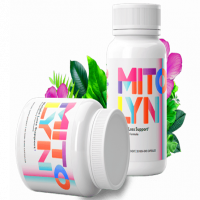
Mitolyn AU weight loss support is marketed as a natural supplement aimed at people seeking supplemental help alongside diet and exercise. This guide explains what to look for, how to evaluate safety, and realistic expectations when considering natural weight loss supplements.
Quick take: Mitolyn AU weight loss support should be treated like any dietary supplement — evaluate ingredients, check for drug interactions, set measurable goals, and prioritize evidence-based methods (calorie balance, physical activity, sleep). Use the S.A.F.E. checklist below before starting, and consult a healthcare professional for personal medical advice.
Detected intent: Informational
Mitolyn AU weight loss support: what it is and what to expect
Many products described as natural weight loss support contain herbal extracts, fiber sources, or nutrients that may affect appetite, digestion, or metabolism. Mitolyn AU weight loss support falls into this category as a supplement intended to be used alongside lifestyle changes, not as a standalone solution. Expected outcomes are modest and vary by individual; documented, clinically meaningful weight loss typically requires sustained dietary changes and increased physical activity.
How these supplements are typically formulated
Common ingredients found in natural weight loss supplements include green tea extract (EGCG), fiber (glucomannan), caffeine, conjugated linoleic acid (CLA), and botanical extracts. Label transparency is important: look for standardized extracts, clear dosage per serving, and third-party testing information. The phrase "natural" does not guarantee safety or efficacy.
Safety, evidence, and regulatory context
Dietary supplements are regulated differently than medicines. Safety and effectiveness claims are limited by label and marketing rules, but pre-market approval is usually not required. For reliable, general guidance on safe weight loss and medical considerations, consult public health resources such as the CDC’s guidance on losing weight (CDC — Healthy Weight). Routine lab monitoring and drug-interaction checks are prudent when starting a new supplement, especially for people taking prescription medications.
Ingredients checklist: what to evaluate before trying a product
Assess the following elements on the label and in product documentation:
- Ingredient list with standardized extract ratios and per-serving doses.
- Presence of stimulants (caffeine, synephrine) and recommended maximums.
- Allergen statements and excipients (fillers, binders).
- Third-party testing seals (USP, NSF, or independent lab reports).
- Clear batch/lot identifiers and contact information for the manufacturer.
Practical S.A.F.E. checklist (named framework)
Use the S.A.F.E. checklist before beginning any supplement regimen:
- Safety first — review potential interactions with medications and medical conditions.
- Ask for evidence — search for human clinical trials, not just animal or test-tube studies.
- Follow dosing instructions — do not exceed recommended daily intake and note stimulant content.
- Evaluate results — set a 6–12 week review period for measurable outcomes and side effects.
Real-world example: a scenario
A 38-year-old office worker with a sedentary job wants to lose 10 kg. After discussing options with a primary care clinician, the plan includes a 500-calorie daily deficit via meal changes, 30 minutes of moderate exercise five times per week, better sleep hygiene, and a 12-week trial of a fiber-based natural supplement to help appetite control. The supplement is used as an adjunct; weight and blood pressure are tracked every two weeks. After 12 weeks, weight loss of 4–6 kg is considered a reasonable outcome, and the supplement’s side effects (if any) are evaluated before continuing.
Practical tips: 4 actionable points
- Start with the lowest recommended dose and monitor for digestive or cardiovascular side effects, especially if the product contains stimulants.
- Record baseline metrics: weight, waist circumference, blood pressure, and medication list. Reassess at 4–12 week intervals.
- Prioritize proven measures: reduce sugar and refined carbs, increase protein and fiber, and build a consistent activity routine.
- If any new symptoms arise (palpitations, severe GI upset, allergic reaction), stop the supplement and contact a healthcare professional.
Trade-offs and common mistakes
Trade-offs
Supplements may offer modest appetite suppression or metabolic support for some individuals, but trade-offs include cost, potential side effects, and the risk of substituting a supplement for proven behavior changes. Long-term reliance on supplements without addressing diet and activity rarely produces sustained weight loss.
Common mistakes
- Expecting rapid or large weight loss from a supplement alone.
- Ignoring potential interactions with prescription drugs or health conditions.
- Using multi-ingredient formulas without checking total stimulant load (combined caffeine from several components).
- Continuing a supplement indefinitely without periodic evaluation of benefit and safety.
How the "Ice Spice weight loss" trend fits in
Social trends or celebrity-associated phrases such as the "Ice Spice weight loss" trend often reflect popular interest rather than scientific endorsement. Trends can raise awareness about body image or fitness topics, but decisions about supplements should be based on ingredient evidence, safety, and personal health needs rather than viral claims.
Core cluster questions (for related articles or internal links)
- What ingredients in natural weight loss supplements have the strongest human-trial evidence?
- How to check supplement labels for safety and purity?
- What are the most common drug–supplement interactions to watch for?
- How to set realistic weight loss goals with a supplement plan?
- When to stop a weight loss supplement and seek medical advice?
Monitoring progress and when to consult a professional
Set measurable goals (weekly weight change, fitness milestones) and document side effects. Consult a registered dietitian or a clinician if there is limited progress after 8–12 weeks, or if new health concerns develop. For people on prescription medications or with chronic conditions, a medication review is recommended before adding supplements.
Final considerations
Mitolyn AU weight loss support and similar natural supplements may have a role as a supportive tool, but they are not substitutes for calorie management, physical activity, and evidence-based medical care. Careful label review, a safety-first approach, and realistic expectations increase the chance that a supplement trial is helpful rather than harmful.
FAQ: Is Mitolyn AU weight loss support effective?
Effectiveness varies by individual and product formulation. Evidence for many natural supplements is modest; reliable results are most likely when supplements are combined with calorie reduction, increased activity, and behavior changes.
FAQ: How long should a trial of a natural weight loss supplement last?
A recommended trial period is 8–12 weeks with measurable checkpoints. If no benefit appears and there are side effects, discontinue and reassess the plan with a clinician.
FAQ: Are there safety concerns with natural weight loss supplements?
Yes. Safety concerns include stimulant-related cardiovascular effects, liver injury with certain botanicals, and interactions with prescribed medications. Always check labels and discuss with a healthcare professional when in doubt.
FAQ: How to choose among natural weight loss supplements in Australia?
Look for transparent labeling, third-party testing, and clinical evidence for the key ingredients. Check local regulatory guidance and consult a pharmacist or clinician for product-specific questions.
FAQ: Can Mitolyn AU weight loss support be used with other supplements or medications?
Combining supplements or taking them alongside medications can increase the risk of interactions. Review all active ingredients and consult a clinician or pharmacist before combining supplements with prescription drugs.