Mobile Game Development Cost Guide: Typical Budgets and What Affects Price
-

- Published Updated
- 1,498 views
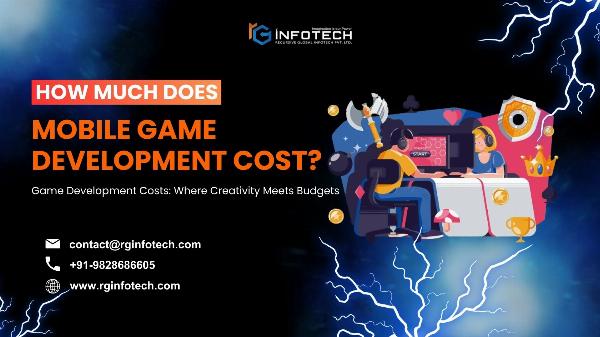
Estimating mobile game development cost is a common early question for anyone planning a game project. Costs vary widely with scope, art style, platforms, and whether the project uses an in-house team or contractors. This guide explains typical budget ranges, a line-item breakdown, major cost drivers, and practical ways to manage expenses.
- Typical cost ranges: simple casual games from a few thousand to tens of thousands; mid-tier titles from tens to hundreds of thousands; large or live-service projects from hundreds of thousands to millions.
- Major cost drivers: scope, art, backend/servers, monetization systems, QA, platform certification, and marketing.
- Ways to reduce cost: prototype/MVP focus, reuse assets, outsource selectively, and adopt iterative release with analytics-driven updates.
Mobile game development cost: typical ranges
Budgets depend on technical complexity and market goals. Typical ranges seen across the industry are:
Simple / casual games
Examples: puzzle, endless runner, hyper-casual concepts. Estimated development costs often run from about $5,000 to $50,000. Many small teams or solo developers produce these titles using templates, off-the-shelf engines, and lean art.
Mid-tier games
Examples: feature-rich 2D platformers, casual strategy, or moderate-scope 3D titles. Budgets commonly fall between $50,000 and $250,000. These projects usually require dedicated designers, artists, and QA time, plus some backend work for multiplayer or social features.
High-end and live-service games
Examples: large 3D games, persistent multiplayer, or titles with frequent content updates. Development and launch budgets can exceed $250,000 and reach into the millions when including ongoing live operations, server infrastructure, and marketing.
Cost breakdown by development phase
Pre-production (concept, design, prototypes)
Early-stage costs include concept art, design documents, and a playable prototype. Budgeting for a prototype helps validate mechanics and reduce later rework.
Production (programming, art, audio)
Major line items: game code, UI/UX design, character and environment art, animation, sound effects, and music. Art-heavy projects are typically the most expensive due to labor and iteration.
Testing and polish (QA, optimization)
Comprehensive testing—functional QA, performance testing across devices, and certification testing for app stores—can add 10–25% to the production budget, depending on scope.
Backend and live services
Multiplayer, leaderboards, cloud saves, ad mediation, analytics, and server hosting introduce both development and ongoing operational costs. Expect recurring hosting and maintenance fees if live services are required.
Launch and post-launch (marketing, updates)
Discoverability spending (user acquisition, creatives, public relations) is often on par with development for commercial launches. Post-launch patching and content updates add ongoing expenses.
Key factors that drive cost
- Scope and features: More levels, systems, and polish raise costs exponentially versus small feature sets.
- Art style: Hand-painted or AAA 3D art requires more artist hours than stylized or procedural art.
- Team composition: Salaries or contractor rates for designers, programmers, artists, and producers vary by location and experience.
- Multiplayer / backend needs: Real-time multiplayer and persistent worlds significantly increase engineering and operations costs.
- Monetization and analytics: Implementing in-app purchases, ad mediation, and robust analytics requires additional integration work and compliance steps.
- Platform support: Developing and testing for multiple device platforms increases QA matrix and compatibility work.
- Regulatory and compliance work: Age ratings, data privacy (e.g., GDPR-like requirements), and platform policies can add legal or engineering effort.
Ways to manage and reduce cost
Start with an MVP
Build a minimum viable product focused on core mechanics and validate user engagement before adding content or complex systems.
Reuse and modularize assets
Templates, asset packs, and modular art pipelines can lower art production time. Reuse code and tools across projects where possible.
Outsource strategically
Consider outsourcing art, audio, or specific engineering tasks to experienced vendors to avoid long-term hiring overhead. Maintain clear specs and milestone-based contracts.
Automate testing and use analytics
Automated test suites and early analytics can reduce QA cycles and guide content investment toward high-impact areas.
Industry context and resources
For community and professional guidance, organizations like the International Game Developers Association provide summaries of industry practices and standards. See the IGDA for additional resources on development roles and best practices: https://igda.org. Public salary and labor data from national statistics agencies can also help estimate personnel costs.
Estimating a realistic budget
To create a project-specific estimate, list required features, define target platforms and device support, choose an art direction, and identify live-service needs. Multiply estimated person-hours by local or contractor hourly rates and add contingencies for QA, licensing, and marketing. Allocating a 15–30% contingency for scope creep and certification issues is common practice.
FAQ
What is the typical mobile game development cost?
Typical mobile game development cost varies by scope: expect from about $5,000–$50,000 for simple casual titles, $50,000–$250,000 for mid-tier games, and $250,000+ for complex or live-service games. These ranges are general estimates and depend on many factors described above.
How long does mobile game development usually take?
Development time ranges from a few weeks for prototypes and hyper-casual titles to 12–24 months or more for larger projects with substantial content and systems.
Can an indie developer make a mobile game for under $10,000?
Yes. Small scope, use of templates, free or low-cost assets, personal time, and selective outsourcing can keep costs below $10,000, particularly for minimalist casual games.
Are app store fees and platform certification costs included in estimates?
Platform fees (developer account fees, certification testing) and any required third-party licenses should be added to project budgets. Certification and compliance steps may also require additional development time.
How do live services affect ongoing costs?
Live services introduce recurring hosting, maintenance, content production, and community management costs. Plan monthly operating budgets and scale hosting based on active users.
Where can developers find more detailed industry data?
Industry organizations, developer surveys, and national labor statistics provide data on team composition, salaries, and common production schedules. The International Game Developers Association is a starting point for community resources and guidance.