Best Modular Kitchen Cost Calculator: Estimate Your Kitchen Budget
-
- Published Updated
- 3,382 views
A kitchen budget depends on several factors rather than size alone. The layout, cabinet dimensions, materials, finishes, hardware, accessories, countertop, appliances, and installation can all influence the final amount. Breaking the project into these individual components makes it easier to create a realistic budget and compare different kitchen quotations.
Introduction
Planning a modular kitchen often starts with one important question: how much will the complete project cost? While homeowners may see different prices online, there is no single figure that applies to every kitchen. Two kitchens with similar dimensions can have significantly different budgets because their materials, layouts, finishes, hardware, storage requirements, and accessories may differ.
A Modular Kitchen Cost Calculator approach can make budgeting easier by separating the project into individual cost components. Instead of looking only at a final quotation, homeowners can understand which choices are influencing the overall investment. This approach is particularly useful when comparing designs and deciding where to spend more and where a practical alternative may be sufficient.
What Determines the Cost of a Modular Kitchen?
The overall budget can be influenced by several major components:
Kitchen size
Layout
Cabinet material
Exterior finish
Hardware
Storage accessories
Countertop
Appliances
Lighting
Installation
Additional electrical or plumbing work
The combination of these elements makes every kitchen project different.
Kitchen Size and Layout
The physical size of a kitchen matters, but layout can be equally important.
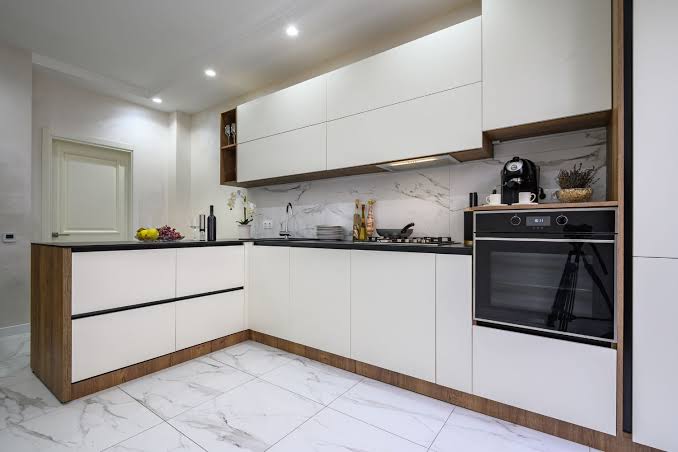
An L-shaped kitchen may require different cabinet configurations from a parallel or U-shaped kitchen. An island layout can add additional cabinetry and countertop requirements.
For example, two kitchens with similar floor areas may have different costs because one uses more cabinetry or specialised storage.
Therefore, estimating a budget based only on square footage may provide an incomplete picture.
How Materials Affect the Budget
Cabinet materials can influence durability, appearance, maintenance, and cost.
Common choices include:
Material/Finish |
General Characteristics |
Suitable For |
Laminate |
Practical and versatile |
Everyday kitchens |
Acrylic |
Smooth and contemporary |
Modern interiors |
Matte finish |
Subtle appearance |
Minimal interiors |
Veneer |
Natural wood appearance |
Premium-style spaces |
Glass |
Decorative and lightweight appearance |
Feature cabinets |
The right material depends on the expected usage, maintenance preferences, design style, and available budget.
Understanding Kitchen Finishes
The external finish has a major influence on the appearance of the kitchen.
Popular options include:
Matte finishes
Gloss finishes
Acrylic
Laminates
Wood-inspired finishes
Glass elements
A higher-priced finish is not automatically the best choice. Consider how easily it can be cleaned, how it fits the overall interior, and whether it suits your daily lifestyle.
Hardware and Accessories
Hardware is often overlooked when preparing a kitchen budget, but it plays an important role in everyday functionality.
Examples include:
Hinges
Drawer channels
Tandem drawers
Lift-up systems
Corner mechanisms
Bottle pull-outs
Pantry systems
Cutlery organisers
Premium mechanisms can increase the initial budget but may provide greater convenience depending on how frequently they are used.
Why Countertops Matter
The countertop is another important part of the overall project.
Different materials offer different combinations of durability, appearance, maintenance requirements, and cost. The size and shape of the countertop also affect the final requirement.
When comparing quotations, check whether the countertop is included and clearly identify its material and thickness.
What Is a Realistic Budgeting Approach?
Rather than starting with one fixed number, divide your budget into categories.
Step 1: Define Your Kitchen Layout
Choose the most practical configuration according to the available space.
Step 2: Estimate Cabinet Requirements
Determine how much base, wall, and tall-unit storage is required.
Step 3: Select Materials
Compare cabinet boards and exterior finishes according to your priorities.
Step 4: Select Hardware
Decide which storage mechanisms are essential and which are optional.
Step 5: Add Countertop and Accessories
Include these items before comparing quotations.
Step 6: Consider Installation
Ask whether transportation, installation, fitting, and finishing are included.
This method provides a much clearer picture of the expected investment.
Comparing Kitchen Quotations
If you receive two quotations, don't immediately choose the cheaper one.
Create a comparison based on:
Cabinet material
Finish
Hardware
Accessories
Countertop
Installation
Warranty
Additional work
For example, one quotation may appear cheaper because it includes basic hardware, while another includes premium mechanisms and additional storage accessories.
This is why specification-level comparison is more useful than comparing only the final price.
How to Control Your Kitchen Budget
If the initial estimate is higher than expected, consider prioritising the features that provide the most everyday value.
You can potentially control costs by:
Choosing practical finishes
Limiting decorative elements
Prioritising frequently used accessories
Using premium hardware selectively
Avoiding unnecessary customisation
Planning appliances before finalising cabinets
The goal should not simply be to spend less. It should be spent intelligently.
Common Kitchen Budgeting Mistakes
Ignoring Installation
A quotation may not include installation or related work.
Choosing Materials Without Comparing Specifications
Different materials can have significantly different characteristics.
Adding Accessories at the Last Minute
Late additions can change cabinet dimensions and project requirements.
Forgetting Appliance Requirements
Appliances need appropriate dimensions, electrical points, ventilation, and clearance.
Comparing Only the Final Price
Always compare what is actually included in each quotation.
FAQs
What factors affect modular kitchen cost?
Size, layout, cabinet material, finish, hardware, accessories, countertop, appliances, installation, and additional work can all affect the overall cost.
Is kitchen size the only factor that matters?
No. Layout, materials, storage requirements, hardware, finishes, and customisation can significantly influence the budget.
Should I include appliances in the kitchen budget?
Yes. Even if appliances are purchased separately, their dimensions and installation requirements should be considered during kitchen planning.
How can I compare two kitchen quotations?
Compare cabinet materials, finishes, hardware, accessories, countertop, installation, warranty, and additional services rather than looking only at the total price.
Can I reduce the cost without compromising functionality?
Yes. Prioritising essential storage and hardware while avoiding unnecessary decorative features can help maintain functionality within a controlled budget.
Conclusion
A realistic kitchen budget should be based on the complete project rather than one simple price figure. Understanding the influence of layout, materials, finishes, hardware, storage accessories, countertop, appliances, and installation allows homeowners to make more informed decisions.
Before finalising a project, compare detailed specifications and clarify what is included in the quotation. This approach can help you avoid unexpected expenses while creating a kitchen that matches your practical requirements and interior preferences. Modus Home Decor can help homeowners plan customised kitchen solutions with a focus on functionality, design, and efficient space utilisation.