Moissanite Jewelry Buying Guide: Benefits, Durability, and Care
-
- February 23rd, 2026
- 1,013 views

FREE SEO Topical Map Generator: Find Your Next Content Ideas
Moissanite jewelry has grown in popularity as an alternative to diamond pieces because of its brilliance, durability, and typically lower price point. This guide explains key differences between moissanite and other gemstones, factors to consider when buying, basic care recommendations, and sources of independent information.
- Moissanite is a lab-produced gemstone known for strong sparkle and high hardness.
- It is usually less expensive than diamond and has different optical characteristics.
- Durability, certification, and vendor transparency are important when buying.
- Follow simple cleaning and storage practices to keep moissanite jewelry looking its best.
Why moissanite jewelry is chosen by many buyers
Moissanite jewelry appeals to consumers for several practical reasons: visual fire and sparkle, relative affordability, and a manufacturing process that avoids some of the sourcing concerns associated with mined gemstones. Chemically, moissanite is silicon carbide and is most commonly produced in laboratories for use in jewelry. Independent gemological organizations note that its refractive index and dispersion differ from diamond, producing a distinctive look that some buyers prefer.
Appearance and optical properties
Brilliance and fire
Moissanite displays high brilliance (white sparkle) and strong dispersion (colored light flashes or 'fire'). Compared with diamond, moissanite often shows more noticeable spectral colors under direct light. Personal preference determines whether that extra fire is desirable.
Color and clarity
Lab-grown moissanite is available in a range of colors and is generally produced to be near-colorless or slightly tinted. Clarity grading for moissanite is less standardized than for diamonds; many stones used in jewelry are created to have few inclusions visible to the naked eye.
Durability and care
Hardness and toughness
Moissanite is durable in everyday wear. On the Mohs scale of hardness it ranks around 9.25, making it suitable for rings and other jewelry that experience regular contact. While very hard, it is not indestructible, and it can be chipped or fractured by hard impacts in certain circumstances.
Cleaning and maintenance
Routine care is simple: gentle cleaning with warm water, mild soap, and a soft brush is sufficient for most situations. Ultrasonic and steam cleaners are generally safe for moissanite, but follow vendor recommendations and avoid harsh chemicals or abrasive cleaners that could affect mounting metals or other gemstones in a piece.
Cost, value, and certification
Price considerations
Moissanite jewelry typically costs less than comparable diamonds of the same visual size, which can make larger center stones more affordable. Price depends on cut quality, carat-equivalent size, and the mounting metal and design.
Certification and testing
Because moissanite and diamond have different optical properties, specialized gem testing instruments and experienced gemologists can distinguish between them. Independent reports or certificates from recognized gemological laboratories can provide details about the stone's identity, weight, and any treatments. Reputable jewelers will supply clear information about the stone and setting.
Ethical and environmental considerations
Lab-created moissanite eliminates concerns tied to some aspects of mined gemstone supply chains. For consumers who prioritize traceability and reduced environmental impact, lab-grown gems may be preferable. For broader guidance on jewelry disclosures and consumer protections, national regulators such as the U.S. Federal Trade Commission publish information on proper advertising and disclosure practices; professional gemological laboratories also provide testing and identity reports.
How to choose moissanite jewelry
Assess-cut and proportions
Cut quality has a major influence on appearance. Well-cut stones maximize light return and create balanced brilliance. Look for sellers that provide detailed images or video and disclose cut proportions or grading information.
Check seller transparency
Choose vendors who clearly describe the material, offer return policies, and provide documentation. Independent inspection by a qualified gemologist can add confidence for higher-value purchases.
Consider the setting
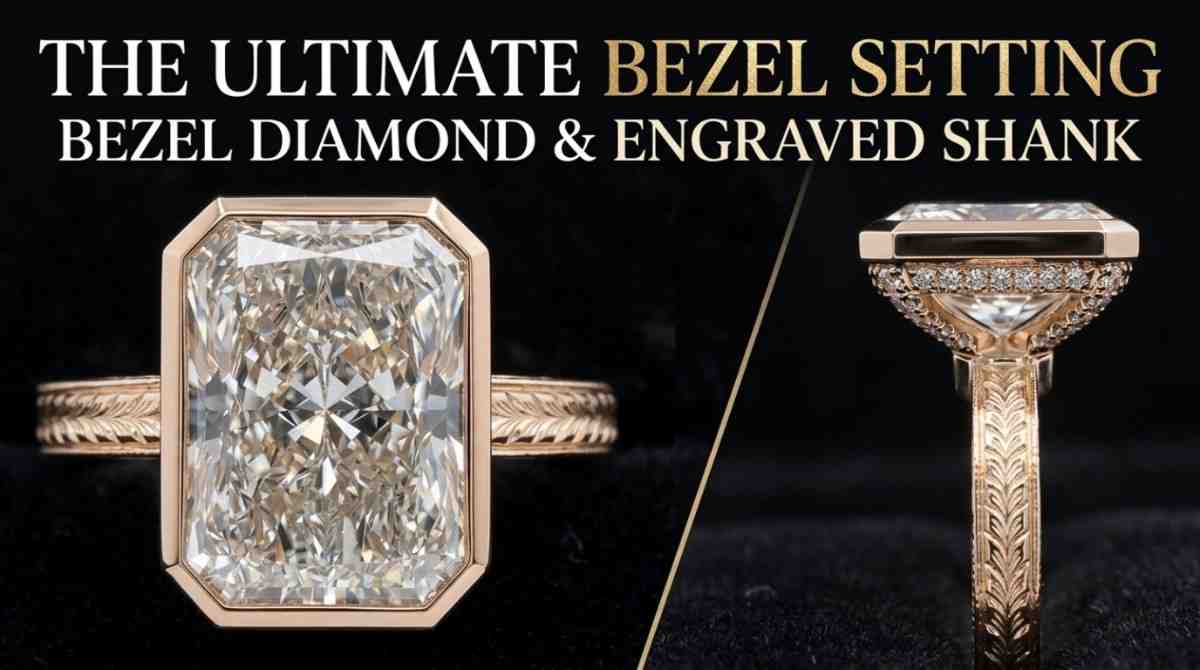
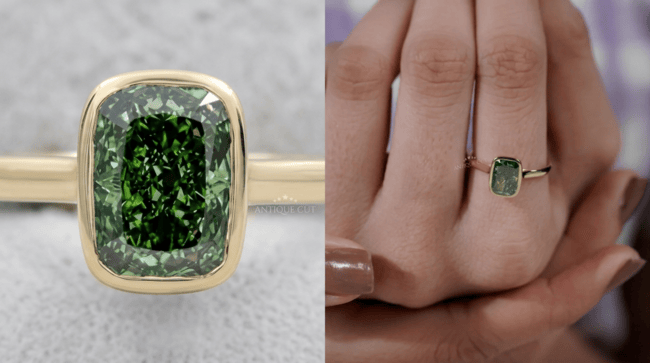
Settings protect the stone and affect everyday wear. Prong, bezel, and channel settings each offer different levels of protection and aesthetic impact. Matching the setting metal (for example, platinum or gold alloys) to lifestyle and maintenance expectations helps preserve the jewelry over time.
Where to learn more
For general gemological context and guidance on gemstone identification, consult recognized institutions such as the Gemological Institute of America (GIA). The GIA provides educational resources on gemstone properties and testing methods that help distinguish moissanite from other gems. For further information, see the GIA website: GIA.
Final considerations
Moissanite jewelry offers a durable, visually distinctive, and often more affordable alternative to diamond jewelry. Selecting a well-cut stone, working with a transparent seller, and following straightforward care steps will help ensure satisfaction over time. Individual preference for optical characteristics, budget, and ethical priorities should guide the final choice.
Is moissanite jewelry right for an engagement ring or everyday wear?
Moissanite's hardness and brightness make it suitable for engagement rings and pieces worn daily. The decision depends on aesthetic preference (such as the level of fire and sparkle desired), budget, and any desire for a lab-grown alternative to mined gemstones.
How should moissanite jewelry be cleaned and stored?
Clean moissanite with warm soapy water and a soft brush, rinse, and dry with a lint-free cloth. Store pieces separately to avoid metal scratches or contact with harder stones, and follow any additional care guidance from the seller.
What should buyers check when purchasing moissanite jewelry?
Confirm the stone identity and obtain documentation if available; review return and warranty policies; inspect cut quality through images or in-person viewing; and verify the durability and suitability of the chosen setting.
Are there visible differences between moissanite and diamond?
Yes. Moissanite tends to show stronger fire (colored flashes) and slightly different brilliance compared with diamond. Under magnification or with specialized testing instruments, gemologists can distinguish between the two materials based on optical and physical properties.
Is moissanite jewelry a cost-effective alternative to diamond?
Moissanite is generally less expensive than diamond for a comparable visual size, which can be a cost-effective option for buyers seeking larger stones or different budget priorities. Cost-effectiveness will depend on individual values for appearance, resale expectations, and intended use.