Monofilament Wigs: Natural-Looking Hairpieces — Care, Comparison, and Buying Guide
-

- Published Updated
- 1,398 views
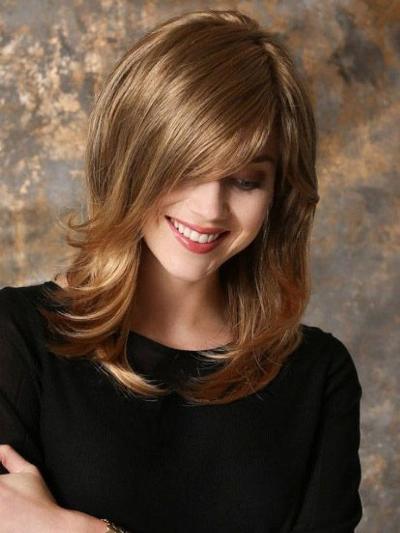
Monofilament wigs are a specialized wig cap construction that delivers a natural-looking scalp appearance and realistic parting. Designed with a thin, breathable mesh where individual hairs are hand-tied, these wigs are often chosen for life-like styling, comfortable wear, and versatile parting options.
- Monofilament wigs use a fine mesh base with individually tied hairs for realistic parting and movement.
- They are available in human hair and synthetic fiber options; care and styling differ by material.
- Consider cap size, ventilation, density, and whether a lace front or full monofilament top best meets styling needs.
- Proper cleaning, gentle detangling, and storage extend the life of the wig.
Monofilament Wigs: what they are and how they work
A monofilament wig contains a section—often the crown or the entire top—made from a single-layer mesh material. Each hair is tied through the mesh to mimic individual hair growth from the scalp, allowing the hair to move freely and the part to look natural from multiple angles. This cap construction improves realism compared with machine-sewn wefts and can reduce visible tracks or rows.
Benefits and features of monofilament wigs
Realistic appearance and versatile parting
The hand-tied strands on a monofilament surface allow for multidirectional parting. This produces a natural-looking scalp and makes styles such as center parts, side parts, and soft updos easier to achieve without revealing the base.
Comfort and breathability
Monofilament material is lightweight and breathable, promoting airflow at the scalp. Many people find monofilament caps gentler against sensitive scalps; for medical or dermatologic concerns, consult credentialed sources such as the American Academy of Dermatology for scalp health guidance (American Academy of Dermatology).
Natural movement and reduced bulk
Because hairs are individually tied, movement resembles natural hair more closely than machine-sewn wigs. Monofilament tops can reduce bulk at the crown, allowing for more natural layering and a softer silhouette.
Types of monofilament caps and related constructions
Full monofilament caps
Full monofilament caps feature the mesh across the entire crown area. This offers the most realistic scalp simulation and maximum styling flexibility, but full monofilament wigs may cost more due to the labor-intensive construction.
Partial monofilament with lace front
Some wigs combine a monofilament top with a lace front. The lace front creates an invisible hairline while the monofilament top enables natural parting. This hybrid construction is popular for those seeking both a seamless hairline and realistic crown.
Hand-tied caps vs. machine-tied caps
Hand-tied caps provide more natural movement but are more time-consuming to produce. Machine-tied wefts can increase durability and lower cost but may be less natural in appearance.
Choosing the right monofilament wig
Human hair vs synthetic fibers
Human hair wigs offer the most natural look and heat-styling versatility, while high-quality synthetic wigs can retain styled shapes and typically require less day-to-day maintenance. Consider lifestyle, budget, and desired styling flexibility when choosing fiber type.
Cap size, density, and color match
Proper cap fit is essential for comfort and a natural appearance. Hair density affects how full or thin the wig looks; typical options range from light to heavy density. Select a color that complements the skin tone and can be blended with natural hair along the hairline if needed.
Allergies and scalp sensitivity
Materials and adhesives can cause irritation in some people. Hypoallergenic liners and breathable monofilament bases may help. For persistent scalp issues, seek evaluation from a dermatologist or qualified clinician rather than relying solely on product descriptions.
Care and maintenance for longevity
Cleaning and conditioning
Follow product-specific instructions: human hair wigs typically require gentle shampooing and conditioning, while many synthetic wigs need lower-temperature washes with products formulated for synthetics. Avoid harsh detergents and excessive heat on synthetic fibers.
Brushing, drying, and storage
Use wide-tooth combs or brushes designed for wigs to reduce breakage. Air-dry on a wig stand to preserve shape and prevent mildew. Store in a cool, dry place and protect from direct sunlight and dust when not in use.
Professional services
Periodic professional cleaning, reshaping, or custom fitting by a trained wig specialist can extend the life of a monofilament wig, especially for human hair pieces or when adjustments to the cap are needed.
Practical considerations and cost
Monofilament wigs often cost more than standard machine-made caps because of the labor in hand-tying individual hairs. Budget for additional items such as wig stands, care products, and occasional professional maintenance. Assess long-term value based on comfort, appearance, and how often the wig will be worn.
Environmental and durability factors
Human hair wigs may last longer with proper care, while synthetic options can be more resistant to humidity and hold styles without heat tools. UV exposure, routine handling, and product buildup will affect longevity regardless of construction.
Where to find reliable information
Consult reputable sources and licensed professionals for fitting and scalp-health concerns. Organizations like dermatology associations or certified wig consultants provide guidance on selection and care practices.
Summary: who benefits most from monofilament wigs
Monofilament wigs suit anyone seeking a highly natural scalp appearance, flexible parting, and comfortable wear—especially people with sensitive scalps, those experiencing hair thinning, or anyone prioritizing realism in a hairpiece. Selection depends on budget, desired styling options, and maintenance willingness.
Frequently asked questions
Are monofilament wigs comfortable for everyday wear?
Yes, many wearers find monofilament wigs comfortable due to the lightweight, breathable mesh and reduced friction at the crown. Fit, cap construction, and individual scalp sensitivity influence comfort; testing fit and consulting a wig fitter can help ensure daily wearability.
How long do monofilament wigs last?
Lifespan varies by fiber type, frequency of wear, and care. Human hair monofilament wigs can last a year or more with careful maintenance, while synthetic monofilament wigs often last several months to a year depending on use. Proper cleaning, storage, and minimal heat exposure extend longevity.
Can a monofilament wig be styled with heat tools?
Human hair monofilament wigs can be heat-styled like natural hair, using appropriate heat-protection practices. Some synthetic fibers are heat-resistant to an extent; verify manufacturer recommendations before using heat to avoid damage.
How does a monofilament top compare to a lace front?
A lace front creates an invisible hairline, while a monofilament top focuses on realistic parting and scalp appearance. Many modern wigs combine both to provide a natural hairline and a lifelike crown.
Can monofilament wigs be used by people with hair loss?
Monofilament wigs are commonly recommended for people experiencing thinning or medical hair loss due to their natural look and gentle cap construction. For medical or dermatologic questions about wig use or scalp care, seek personalized advice from a licensed clinician or dermatologist.