10 Most Daunting Business Risks Every Organization Faces
-

- Published Updated
- 1,412 views
Every entrepreneur and manager encounters uncertainty; understanding the scariest things about business helps clarify which risks deserve attention. This article lists ten high-impact threats, explains why they unsettle organizations, and points to common responses and public resources that can help.
- Ten common high-impact risks are described, from cash flow shortages to regulatory change.
- Each entry explains why it is threatening and typical steps organizations take to respond.
- Links to official resources and regulators are noted for further reading.
10 Scariest Things About Business
1. Cash flow shortages
Running out of working capital is among the scariest things about business because operations, payroll, and supplier relationships depend on timely cash. Small and large organizations alike can experience liquidity stress from unexpected drops in revenue, delayed receivables, or rapid cost increases. Common responses include stress testing cash forecasts, negotiating payment terms with vendors, and exploring financing options from banks or government programs.
2. Rapid market disruption
Technological change, new competitors, or shifting customer preferences can render existing products or business models obsolete. Disruption is frightening because it can quickly erode market share and margins. Businesses often monitor market signals, invest in product development, and consider strategic partnerships to adapt.
3. Regulatory and compliance changes
New laws, enforcement actions, or industry-specific regulations can impose heavy costs or limit operations. For example, data protection rules, tax law changes, or sector-specific licensing can require swift adjustments. Identifying relevant agencies—such as the U.S. Securities and Exchange Commission (SEC) or national data protection authorities—and tracking rulemaking processes helps organizations prepare.
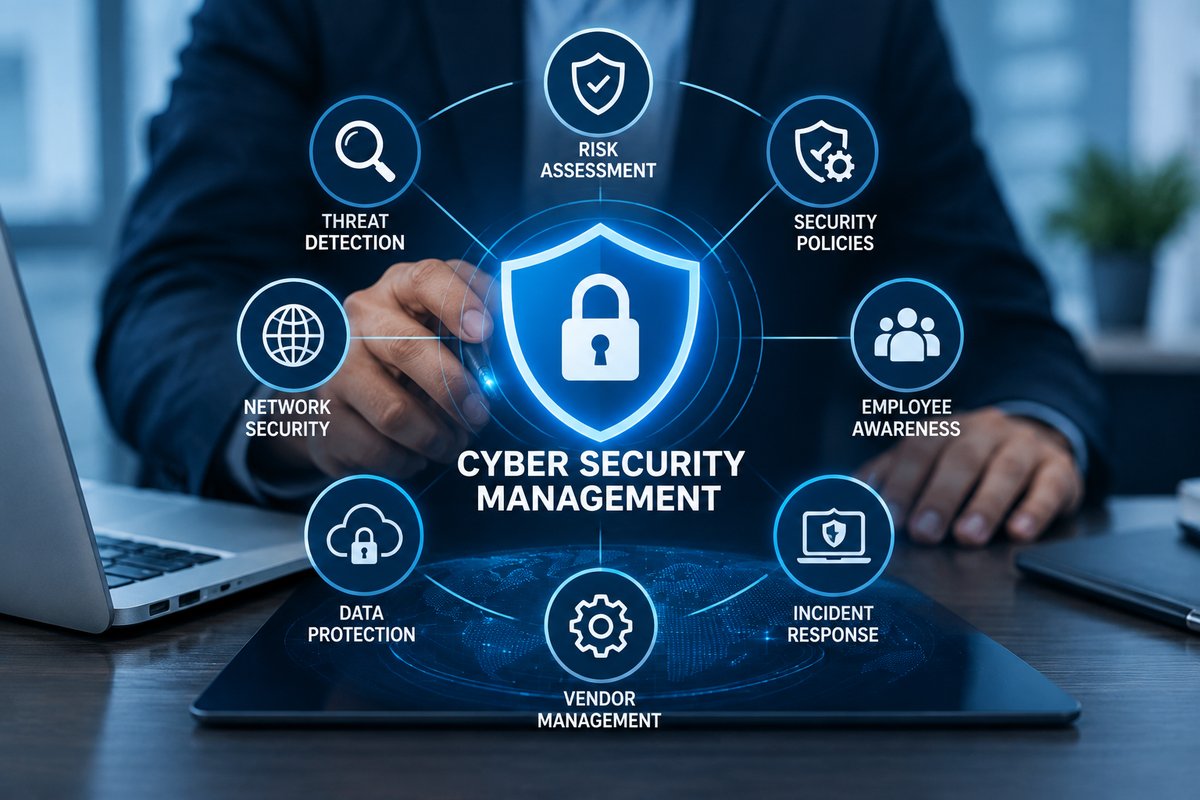
4. Cybersecurity incidents
Data breaches, ransomware, and system outages threaten confidentiality, operations, and reputation. Cyber incidents can lead to direct financial loss and regulatory scrutiny. Typical defensive measures include patch management, employee training, incident response planning, and cyber insurance to offset certain losses.
5. Talent shortage and turnover
Inability to hire or retain key staff can stall projects and reduce institutional knowledge. High turnover is costly and unsettling, especially in specialized roles. Organizations often respond by improving recruitment processes, investing in training, and creating clearer career pathways.
6. Supply chain disruption
Dependence on single suppliers or complex global networks exposes businesses to delays, price volatility, or shortages. Natural disasters, geopolitical events, or logistics failures are common triggers. Firms may diversify suppliers, hold strategic inventory, or redesign products for alternative inputs.
7. Legal disputes and litigation
Claims from customers, partners, employees, or competitors can result in large legal costs, injunctions, or reputational harm. Litigation uncertainty is stressful because outcomes are unpredictable and often prolonged. Risk management strategies include clear contract terms, alternative dispute resolution clauses, and maintaining appropriate liability coverage.
8. Reputational damage
Negative publicity from product failures, executive conduct, or customer complaints can quickly reduce demand and partnerships. Reputational risks are hard to quantify and slow to repair. Proactive communications, transparent policies, and swift corrective actions are typical responses.
9. Economic downturns
Macroeconomic shocks—recessions, inflation spikes, or credit tightening—reduce consumer spending and investment. Downturns can compound other risks (e.g., cash flow issues). Scenario planning, flexible cost structures, and maintaining access to credit lines are common approaches to increase resilience.
10. Strategic missteps
Pursuing the wrong market, misallocating capital, or poorly timed expansion can generate lasting harm. Strategic errors are scary because they may be costly and slow to reverse. Boards and leadership often use rigorous review processes, stage-gate investments, and external advisory input to reduce the likelihood of major misjudgments.
How regulators and resources can help
Official bodies publish guidance and programs that address many of the topics above. For small and medium enterprises, government agencies provide information on financing, compliance, and planning. One place to start for practical programs and official guidance is the Small Business Administration: Small Business Administration (SBA). For market and securities rules, consult the U.S. Securities and Exchange Commission; for competition and consumer protection, review materials from the Federal Trade Commission or equivalent national agencies.
Common approaches to managing scary business risks
Risk identification and prioritization
Documenting potential threats and estimating their likelihood and impact makes it easier to allocate attention. Tools such as risk registers and scenario analysis are widely used in corporate governance and by academic research on organizational resilience.
Planning and resilience building
Resilience measures—cash buffers, diversified suppliers, robust IT defenses, and succession planning—reduce vulnerability. Many organizations combine insurance, contracts, and operational redundancies to limit exposure.
Transparency and governance
Clear governance, regular reporting to boards or stakeholders, and compliance programs help detect issues early and maintain stakeholder trust. External advisors and auditors can provide independent perspectives and assurance.
Learning and adaptation
Documenting incidents and near-misses creates institutional learning that can prevent recurrence. Continuous improvement processes and monitoring of external signals support quicker adaptation when conditions change.
Conclusion
These ten areas commonly rank among the scariest things about business because they combine high impact with uncertainty. Identifying which risks matter most for a particular organization enables targeted planning and use of public resources and regulatory guidance.
What are the scariest things about business?
The scariest things about business often include cash flow shortages, market disruption, regulatory change, cybersecurity incidents, talent issues, supply chain failures, legal disputes, reputational harm, economic downturns, and strategic mistakes. The relative importance depends on sector and scale.
How can organizations prepare for these risks?
Preparation commonly involves risk assessment, scenario planning, governance improvements, resilience investments (like cash buffers and backups), and following official guidance from regulators and agencies.
Where can more official information be found?
Official information and programs for businesses are available from national regulators and agencies such as the Small Business Administration, the U.S. Securities and Exchange Commission, the Federal Trade Commission, and equivalent bodies in other countries. Academic research on risk management and organizational resilience also provides evidence-based approaches.