Mount Kailash Yatra via Lhasa: Complete Travel Guide for 2027 Open Bookings
-

- Published Updated
- 95 views
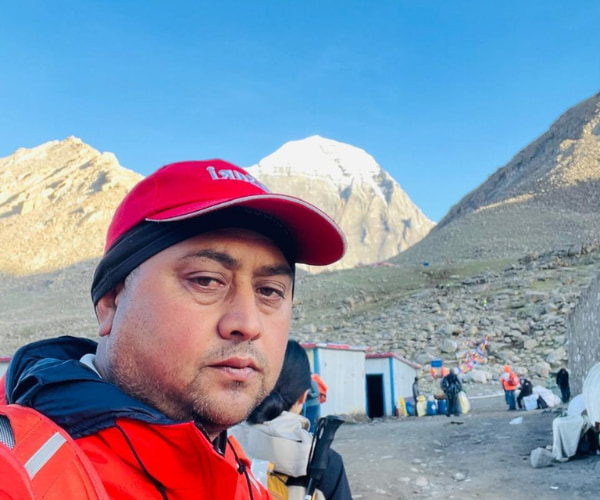
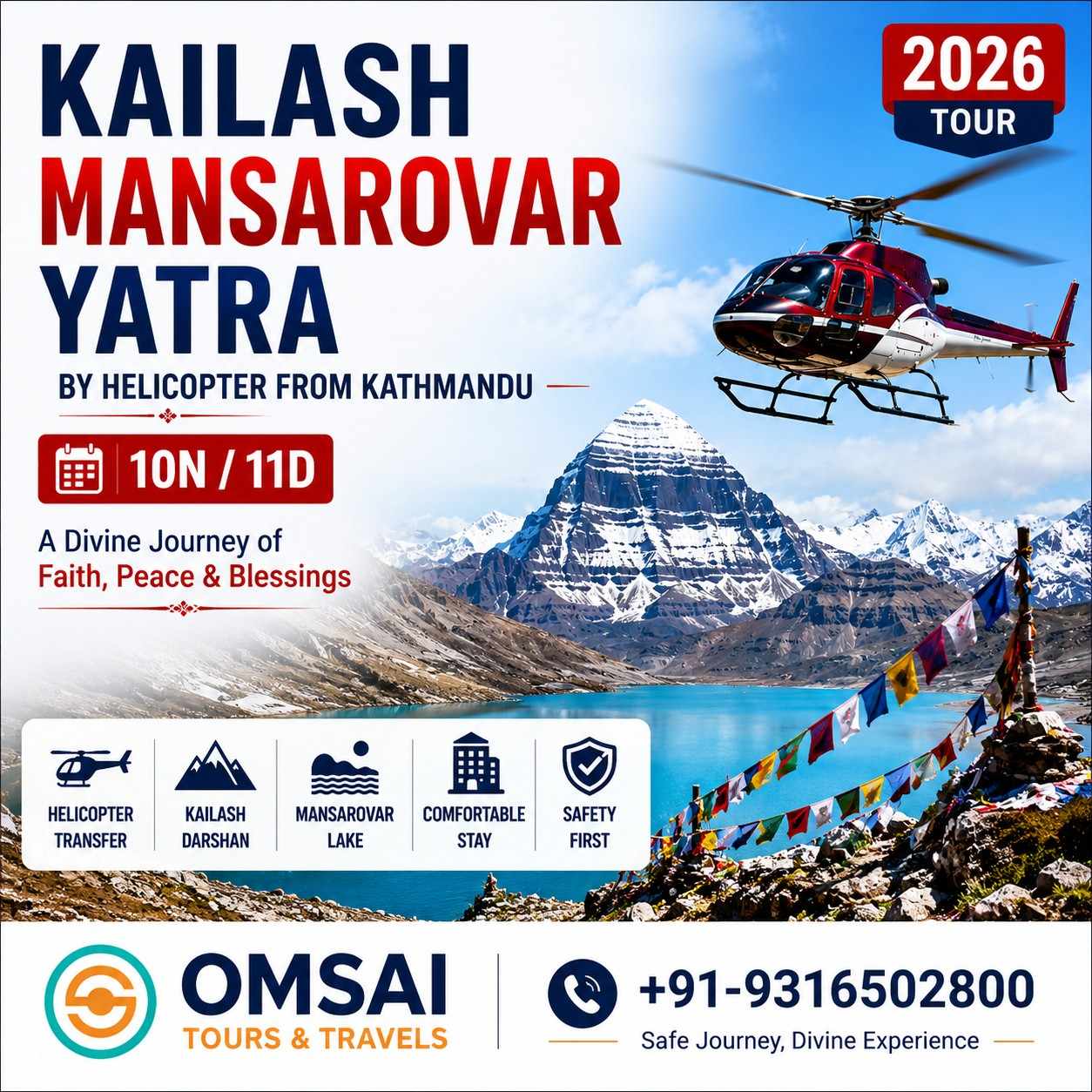
The Kailash Yatra via Lhasa is one of the most meaningful journeys for Hindu, Buddhist, Jain, and Bon pilgrims. Located in the remote Tibetan Plateau, Mount Kailash stands at approximately 6,638 metres above sea level and holds deep spiritual importance across several religious traditions. Nearby Lake Mansarovar is another major destination for pilgrims who travel to this sacred region for prayer, reflection, and ritual bathing where conditions permit.
Unlike the overland route from Nepal through the Gyirong border, the Kailash Mansarovar Yatra via Lhasa begins with a flight from Kathmandu to Lhasa, the capital of Tibet. This route gives travellers time to explore Tibetan culture, visit historic monasteries, and adjust gradually to increasing altitude before continuing towards Mount Kailash and Lake Mansarovar.
For travellers planning the Mount Kailash Yatra in 2027, understanding the itinerary, Tibet travel permits, altitude risks, physical preparation, and total package cost is essential. Holy Kailash Tours helps pilgrims understand the route, prepare their travel documents, and plan the journey according to their travel dates, nationality, and physical ability.
Why Choose the Kailash Mansarovar Yatra via Lhasa?
The Lhasa route combines a sacred pilgrimage with an introduction to Tibetan history and Buddhist culture. After arriving in Lhasa, travellers can visit the famous Potala Palace, Jokhang Temple, and Barkhor Street before travelling west across the Tibetan Plateau. These visits provide a valuable cultural experience before the demanding journey to Mount Kailash.
Lhasa sits at approximately 3,656 metres above sea level. Spending two or three days there can help travellers begin adjusting to the altitude, although this does not guarantee protection against altitude sickness. The itinerary should allow enough time for rest, hydration, and monitoring symptoms before travelling to higher elevations.
Another reason travellers choose this route is the opportunity to see the changing landscapes of Tibet. The journey passes through high mountain country, wide open plains, remote settlements, and sacred lakes. The road journey is long, and facilities become more limited as you travel farther from major towns. Travellers should be ready for basic accommodation, cold nights, and changes in weather.
Mount Kailash Yatra via Lhasa Itinerary
A typical Mount Kailash Yatra via Lhasa takes approximately 15 to 16 days, depending on the final route, border procedures, road conditions, and the operator's schedule. The exact itinerary can change according to permit approvals and local travel regulations.
The journey usually begins in Kathmandu, where travellers complete the necessary preparations before flying to Lhasa. On arrival, the first priority is rest and acclimatisation. During the following days, travellers explore Lhasa's major cultural landmarks while adjusting to the elevation. Potala Palace offers insight into Tibet's political and religious history, while Jokhang Temple remains one of the region's most important pilgrimage sites.
After the Lhasa stay, the overland journey continues towards Shigatse and other settlements along the route to western Tibet. The drive offers views of mountain passes, open valleys, and traditional Tibetan communities. Depending on the itinerary, travellers may stop at important monasteries and viewpoints before continuing towards the region around Lake Mansarovar.
Lake Mansarovar is a major spiritual highlight of the pilgrimage. Many visitors spend time in prayer, meditation, or quiet reflection beside the lake. Ritual bathing should only be considered where permitted and safe, since the water is extremely cold and the high altitude can place additional stress on the body.
From the lake, the journey continues to Darchen, the starting point for the Mount Kailash Outer Kora. The three day circumambulation generally involves walking from Darchen towards Dirapuk, crossing the high Dolma La Pass, and continuing to Zuthulpuk before returning to Darchen. Dolma La reaches approximately 5,630 metres, making this the most physically demanding part of the pilgrimage.
After completing the Kora, travellers begin the return journey according to the approved itinerary. The group travels back towards the designated border or transport connection before continuing to Kathmandu. Weather, road conditions, and permit arrangements can affect the return schedule, so keeping some flexibility is sensible.
Best Time for Mount Kailash Yatra via Lhasa
The main Mount Kailash pilgrimage season generally runs from May to September, when travel conditions are more suitable than during the harsh winter months. June, July, and August can offer relatively warmer temperatures, but rain, clouds, and changing mountain weather can still affect road journeys and walking conditions.
May and September are popular choices for travellers who prefer cooler conditions. However, nights remain cold, and snow or strong winds can affect high mountain passes at any time. Travellers interested in a full moon pilgrimage should check the actual lunar date and the operator's confirmed Kora schedule rather than relying only on a published departure date.
For a 2027 Kailash Mansarovar Yatra, early planning is useful because international flights, accommodation, group arrangements, and Tibet travel documentation must be coordinated. Final departure dates should be confirmed only after the relevant travel arrangements and permissions are available.
Mount Kailash Yatra via Lhasa Cost for 2027
The cost of the Kailash Mansarovar Yatra via Lhasa depends on the departure date, group size, nationality, accommodation standard, transportation arrangements, and the services included in the package. Holy Kailash Tours lists its 2027 Lhasa route package at USD 3,799 per person as a planning price, subject to confirmation of the final itinerary and inclusions.
Before booking, ask for a written breakdown of the package price. Confirm whether international or domestic flights, Tibet travel permits, Chinese visa arrangements where applicable, accommodation, meals, ground transportation, Tibetan guide services, and required transfers are included. Personal expenses, travel insurance, additional hotel nights, emergency evacuation, and optional services may cost extra.
The lowest advertised price is not always the best choice for a high altitude pilgrimage. Reliable transport, appropriate acclimatisation days, clear permit arrangements, and a practical plan for altitude related emergencies deserve close attention. Ask the tour operator to explain what happens if illness, severe weather, or road closures interrupt the journey.
Permits and Travel Documents for the Tibet Kailash Yatra
Foreign travellers generally need the applicable Chinese visa or entry documentation, Tibet Travel Permit, and additional travel permissions required for the Mount Kailash region. The exact requirements depend on nationality, passport type, route, and the rules in force when the trip takes place.
Travellers should provide passport details and photographs according to the operator's instructions and allow sufficient time for document processing. Do not assume that a visa or permit issued for one part of China automatically authorises travel to every restricted area of Tibet.
Holy Kailash Tours assists travellers with coordinating the required documentation and local travel arrangements. Before making non-refundable bookings, confirm the latest requirements with the tour operator and the relevant authorities. Permit approval and border access must never be treated as guaranteed until officially confirmed.
Physical Preparation and Altitude Safety
The Mount Kailash pilgrimage is demanding because of its altitude, cold weather, long road transfers, and several hours of walking on uneven terrain. The Outer Kora is particularly challenging on the crossing of Dolma La Pass. Even travellers who exercise regularly can experience altitude sickness.
Begin preparing several weeks or months before departure with regular walking, stair climbing, and moderate cardiovascular exercise. Practise walking for several consecutive hours while carrying a small daypack. Suitable trekking shoes, warm layers, waterproof clothing, gloves, sun protection, and personal medication are essential.
Acclimatisation is more than spending a few nights in Lhasa. Follow a sensible ascent schedule, avoid strenuous activity during the first days at altitude, and tell your guide immediately if you develop a headache, nausea, dizziness, unusual weakness, or breathlessness. Confusion, difficulty walking straight, or breathlessness at rest can indicate a medical emergency. Descending and receiving urgent medical care may be necessary.
Do not attempt to push through serious symptoms simply to complete the Kora. Travellers with existing medical conditions should discuss the altitude and physical demands with a qualified healthcare professional before booking. A responsible itinerary should prioritise health over completing the pilgrimage on a fixed timetable.
Choosing a Reliable Mount Kailash Tour Operator
Choosing the right operator matters because this journey involves international travel arrangements, restricted areas, long distances, and high altitude walking. Look for clear communication, transparent pricing, confirmed departure information, realistic itineraries, and practical explanations of permit procedures.
Ask who will coordinate transport in Tibet, what accommodation is available along the route, how meals are arranged, and what emergency support can be accessed if a traveller becomes unwell. Check cancellation terms and ask whether additional costs may arise from delays or changes to the approved itinerary.
Holy Kailash Tours, based in Kathmandu, Nepal, provides Mount Kailash pilgrimage planning and helps travellers coordinate their route, documentation, and travel arrangements. Before confirming a booking, request the current itinerary, written inclusions, payment terms, and the latest travel requirements for your nationality.
Conclusion
The Mount Kailash Yatra via Lhasa offers a combination of sacred pilgrimage, Tibetan culture, and the remarkable landscapes of the high plateau. Its main advantages include time to explore Lhasa, an opportunity to begin acclimatising before travelling west, and a route that brings together Lake Mansarovar and the Mount Kailash Outer Kora.
The journey also requires patience, physical preparation, realistic expectations, and careful attention to altitude safety. Plan your 2027 pilgrimage around confirmed travel dates, current permit requirements, and an itinerary that allows adequate rest. With thoughtful preparation and guidance from Holy Kailash Tours, you can approach this sacred journey with a clearer understanding of its practical demands and spiritual significance.
Frequently Asked Questions
How many days are needed for Mount Kailash Yatra via Lhasa?
Most itineraries take approximately 15 to 16 days, although the exact duration depends on the route, acclimatisation schedule, travel permissions, and road conditions.
What is the best month for the Kailash Mansarovar Yatra?
May through September is the main travel season. Weather and high pass conditions vary, so travellers should confirm the suitability of their chosen departure date.
How much does the Mount Kailash Yatra via Lhasa cost in 2027?
Holy Kailash Tours lists a planning price of USD 3,799 per person for the Lhasa route. Confirm the current price and written package inclusions before booking.
Is the Mount Kailash Outer Kora difficult?
Yes. The Kora involves long walks at high altitude, uneven paths, cold conditions, and the crossing of Dolma La Pass at approximately 5,630 metres. Physical preparation and altitude awareness are important.
Do I need a Tibet Travel Permit?
Foreign travellers generally require a Tibet Travel Permit and additional permissions for the Mount Kailash region. Requirements vary by nationality and current regulations.
Can senior citizens join the Kailash Yatra via Lhasa?
Some senior travellers can participate, but age alone does not determine fitness for the journey. Medical advice, individual mobility, altitude tolerance, and the ability to manage the Kora should guide the decision.
How can I book the Mount Kailash Yatra for 2027?
Contact Holy Kailash Tours through its official website, https://holykailashtours.com/, to request the latest departure dates, itinerary, package inclusions, and documentation requirements.