Mount Toubkal Treks: An Unforgettable Adventure in Morocco’s High Atlas
-

- Published Updated
- 44 views
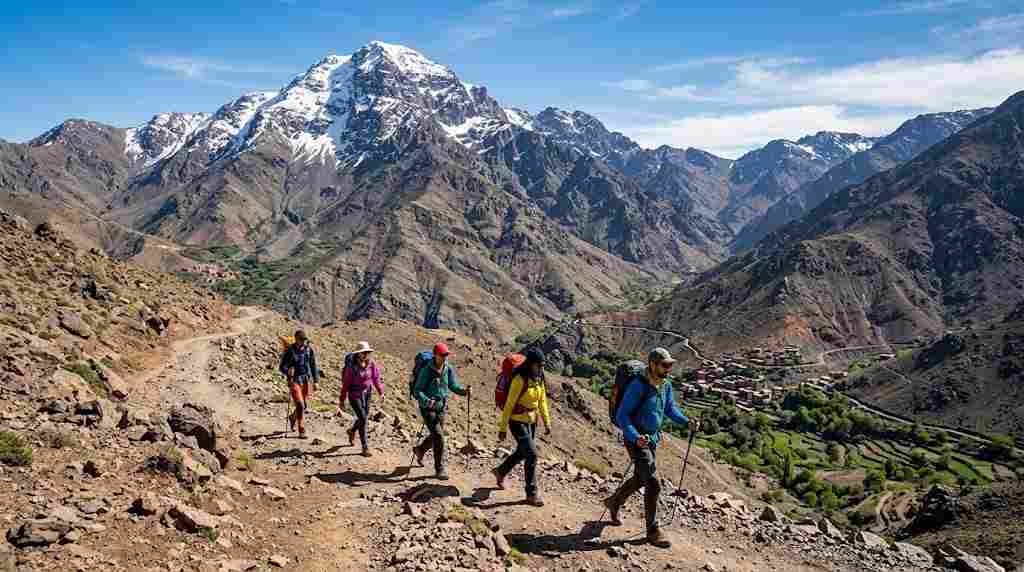
Morocco is known for its colorful markets, historic cities, beautiful deserts, and rich culture. But beyond the busy streets of Marrakech lies a completely different side of the country. The High Atlas Mountains offer dramatic landscapes, peaceful Berber villages, rocky valleys, and some of the most rewarding hiking experiences in North Africa.
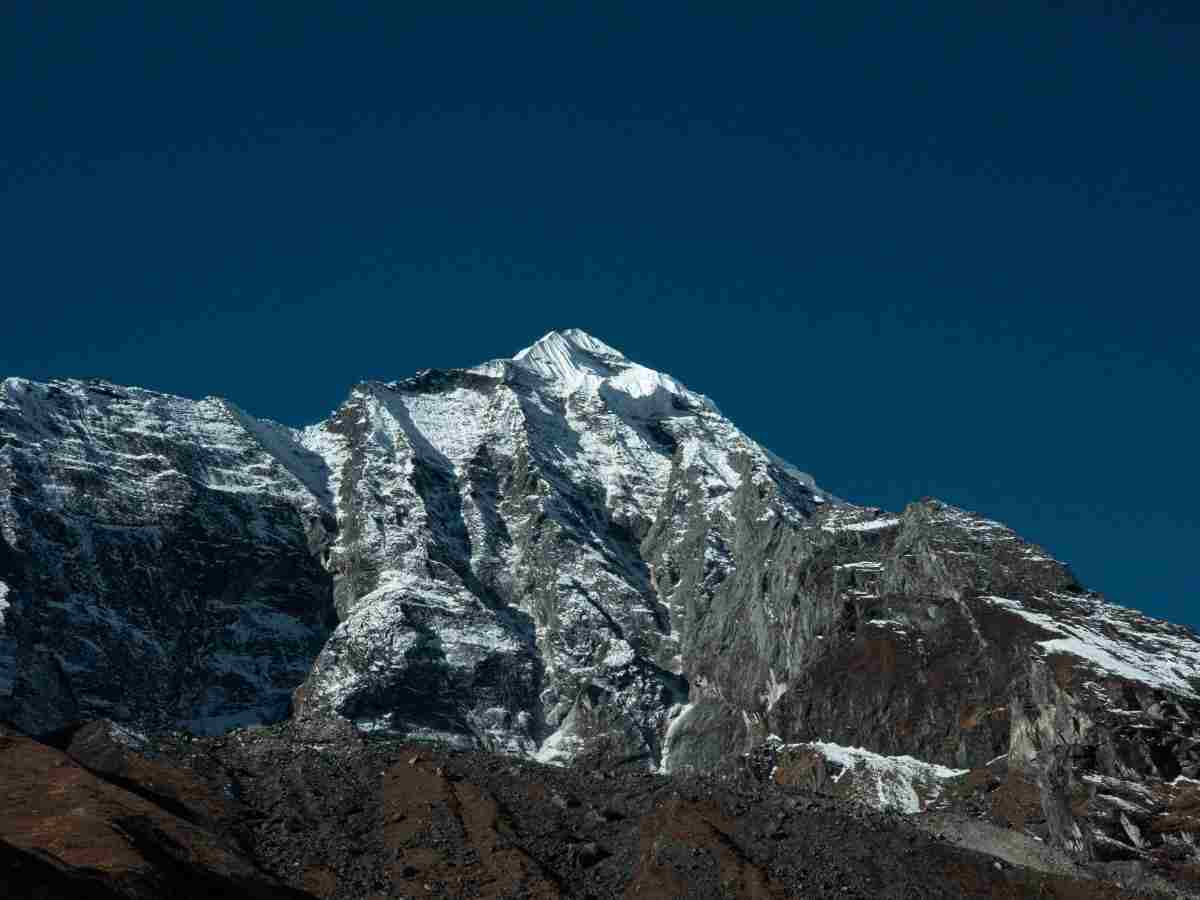
At the heart of this mountain region stands Mount Toubkal, the highest peak in Morocco and North Africa, reaching an impressive height of 4,167 meters. For travelers looking for a genuine mountain adventure, Mount Toubkal treks offer the chance to experience Morocco from a completely different perspective.
Why Is Mount Toubkal Worth Visiting?
Reaching a high mountain summit is always a memorable experience, but Toubkal offers more than just the achievement of reaching the top.
The journey begins around Imlil, a traditional mountain village surrounded by the peaks of the High Atlas. As you walk higher, the scenery gradually changes from green valleys and walnut trees to rugged mountain slopes and rocky terrain.
Along the way, you can meet local mountain communities, see traditional villages, enjoy Moroccan meals, and learn more about the culture of the Amazigh people who have lived in the Atlas Mountains for generations.
The summit itself is the main reward. Standing at 4,167 meters and looking across the surrounding mountains and valleys creates a feeling that is difficult to describe until you experience it yourself.
What Are Mount Toubkal Treks Like?
A typical Toubkal adventure starts in Imlil. This village is considered the main gateway to the mountain and is located roughly one and a half to two hours from Marrakech by road.
The classic itinerary usually takes two or three days, although longer trips are also available for travelers who want more time to explore the Atlas Mountains.
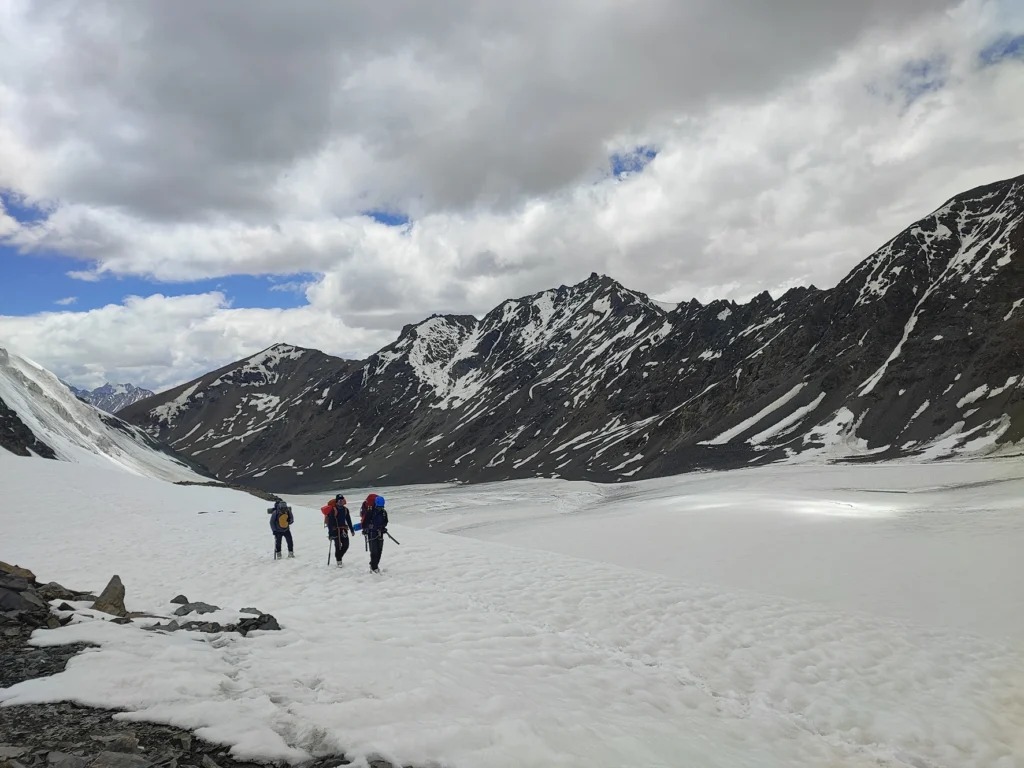
On the first day, trekkers leave Imlil and walk through the beautiful Ait Mizane Valley. The route passes through Aroumd and continues toward Sidi Chamharouch, a well-known stopping point along the trail.
From there, the path becomes steeper as it continues toward the mountain refuge. Spending the night at the refuge allows trekkers to rest before the summit attempt.
The second day normally begins very early. Trekkers start walking before sunrise and gradually make their way toward the summit. The final section can be physically demanding because of the altitude and rocky terrain, but reaching the summit makes the effort worthwhile.
After spending some time enjoying the views, trekkers descend toward the refuge and eventually continue back toward Imlil.
How Difficult Is the Toubkal Trek?
One of the most common questions travelers ask is whether they need climbing experience to complete the trek.
Under normal summer conditions, the standard Toubkal route is considered a challenging hike rather than a technical climbing expedition. You generally do not need ropes or advanced climbing skills, but you should be comfortable walking for several hours on steep and uneven terrain.
Fitness is important because the route involves considerable elevation gain. The altitude is another factor that should not be underestimated. At more than 4,000 meters, the air is significantly thinner than at lower elevations, and some people may experience headaches, tiredness, or shortness of breath.
A sensible pace, proper hydration, enough rest, and following the advice of your mountain guide can make the experience much more comfortable.
Winter conditions can be very different. Snow and ice may cover parts of the route, making the trek more demanding and requiring appropriate equipment and mountain experience.
When Is the Best Time for Mount Toubkal Treks?
The best time depends on the type of experience you want.
Spring and autumn are popular because temperatures in the mountains are generally more comfortable for hiking. Summer can also be a good time for the standard route, although daytime temperatures can be warm at lower elevations.
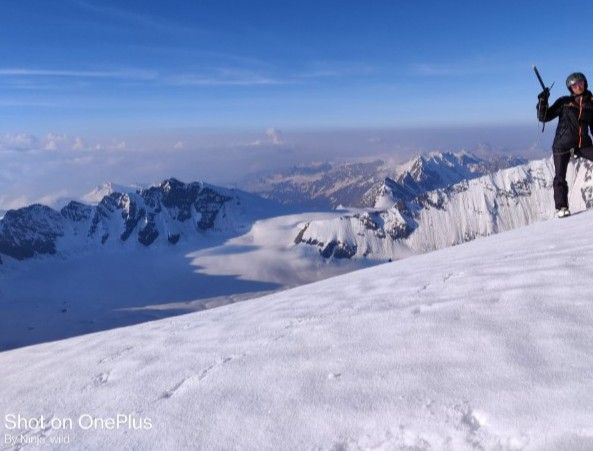
Winter brings a completely different atmosphere. Snow-covered mountains make the landscape spectacular, but the conditions can be much more challenging. Anyone planning a winter ascent should have suitable equipment and experience or travel with a qualified mountain guide.
Before choosing your dates, it is always worth checking current mountain conditions and getting advice from a local trekking company.
What Should You Pack?
Good preparation can make a major difference during a mountain trek.
Comfortable and reliable hiking boots are one of the most important things to bring. You should also pack warm layers because temperatures can drop considerably at higher elevations, particularly before sunrise.
Other useful items include:
- A waterproof jacket
- Warm clothing
- Hiking trousers
- Sunglasses
- Sunscreen
- A hat
- Gloves
- A headlamp
- Reusable water bottles
- Personal medication
- Basic snacks
- A small backpack
Your exact packing list should depend on the season and the length of your itinerary.
Experience the Local Culture Along the Way
One of the best parts of trekking in the Atlas Mountains is that the experience is not only about reaching a summit.
The journey takes you through communities where mountain life has remained closely connected to the land. You may see terraced fields, fruit trees, traditional houses, and local people going about their daily routines.
Stopping in mountain villages also gives you an opportunity to enjoy traditional Moroccan food and tea while learning about local customs.
For many travelers, these cultural experiences become just as memorable as the summit itself.
Why Choose a Guided Trek?
Having a local guide can make the experience easier and more enjoyable. A knowledgeable guide understands the route, local conditions, weather changes, and the pace that works best for different groups.
A guide can also help you understand the history and culture of the villages you pass through rather than simply showing you the trail.
Most importantly, mountain conditions can change quickly. Having someone with local experience provides an additional level of support when conditions become difficult.
Prepare for an Adventure You Will Remember
Mount Toubkal is more than just a mountain to tick off a travel list. The journey combines spectacular landscapes, physical challenge, local culture, and the excitement of standing on the highest point in North Africa.
Whether you are an experienced hiker or someone looking for your first major mountain adventure, proper preparation and the right itinerary can make your experience much more enjoyable.
If you are planning a trip to Morocco and want to explore the High Atlas Mountains, take a look at the available Mount Toubkal treks and find an itinerary that matches your interests, fitness level, and travel plans.
The summit may be the goal, but the journey through the Atlas Mountains is what makes the experience truly special.