Five Things to Tick Off Before Booking Your MR Truck Licence Course in Sydney
-

- Published Updated
- 115 views
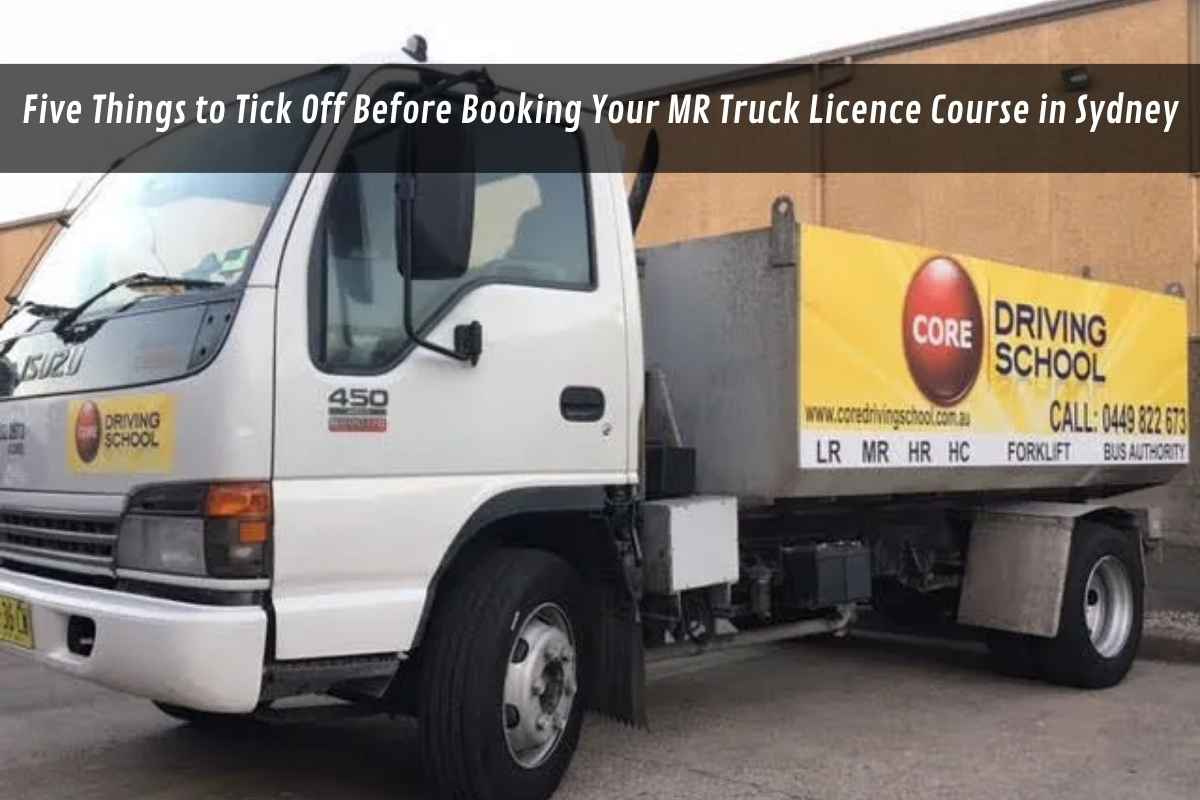
Landing an MR truck licence opens doors to delivery, construction and council roles across the city. Yet many learners still turn up on day one without the paperwork, skills or mindset the assessor expects. Save yourself a repeat booking by sorting these essentials first.
Confirm You Meet the Eligibility Basics
Applicants must already hold a class C licence for at least one year and be at least 18 years old. NSW regulations also ask you to pass an eyesight test and complete the heavy vehicle knowledge exam at Service NSW. If that checklist sounds manageable, the next logical step is enrolling in MR licence training in Sydney with a Registered Training Organisation (RTO) that supplies the truck and accredited instructor.
Bringing current photo ID to every session sounds simple but still trips up learners. Keep your plastic card and Service NSW paperwork together so nothing goes missing between theory and practical days.
Get Comfortable With a Synchromesh Gearbox
Most MR assessments in Sydney use vehicles fitted with synchromesh transmissions, not fully automatic gearboxes. Switching from a car’s automatic to a truck’s six-speed manual can feel like starting from scratch—especially when you add air brakes and a high cab.
Jumping into a friend’s light rigid removal truck on private property for half an hour can be invaluable practice. Even better, some RTOs publish pre-course drills online. One handy guide on clutch control appears in the school’s blog post about preparing for a heavy vehicle test. Working through those drills before class frees up lesson time for traffic management and reverse manoeuvres rather than basic gear changes.
Book a Class C Medical If You Have Any Health Doubts
Drivers must declare medical conditions that could affect road safety—sleep apnoea, diabetes, epilepsy and certain cardiac issues top the list. Service NSW might request a Fitness to Drive report completed by a GP or specialist. Leaving this until the week of your practical test can derail the entire timeline; some clinics need a fortnight’s notice for commercial driver medicals.
Plan ahead by downloading the “Assessing Fitness to Drive” standards and taking them to your regular doctor. That way, any follow-up blood tests or sleep studies can run in parallel with your logbook hours rather than delaying the assessor booking.
Understand Load Restraint and Weight Limits
An MR vehicle can weigh up to 15 tonnes GVM, and you’ll be expected to demonstrate safe loading principles even if the training truck only carries ballast. Know the National Transport Commission’s basic tie-down angles and working load limit formulas. The assessor may ask theoretical questions while checking your pre-departure inspection, so walk around the truck noting anchor points, chain tensioners and gate latches.
The NSW Government’s guide to heavy vehicle licence requirements sets out the axle mass limits and penalty ranges—worth a read before test day. Understanding the numbers helps you sound confident when discussing load plans, a soft skill recruiters value once you start job hunting.
Map Out Post-Licence Job Pathways Early
Training providers see countless students pass the driving test yet stall when the conversation turns to work. You’ll save time by researching employers—waste collection, building suppliers, furniture removalists—who favour freshly licensed MR drivers. Many advertise casual shifts first; budget for a few weeks of variable income while you prove reliability.
If you’re transitioning from hospitality or retail, brush up on digital work diaries and basic fatigue legislation. Hiring managers often quiz newcomers on maximum driving hours. A quick YouTube refresher or RTO handbook review keeps you from fumbling that first interview question.
Sydney councils also run trainee programs that cover higher classes such as HR or HC after 12 months of safe driving. Plotting that route early can influence whether you choose a road-ranger endorsement or automatic restriction on your MR card.
A final word: ask your instructor about discounted upgrade bundles before you sit the exam. Locking in an HR course within the same year can shave hundreds off future training fees.
The road to an MR truck licence is smoother when you sort paperwork, practice shifting, clear medical queries, learn load law, and sketch a career roadmap before class. Arrive prepared and your assessor can focus on driving technique—not missing documents or clutch mishaps.
Do I need a learner logbook for an MR licence?
Yes. Service NSW issues a Heavy Vehicle Competency Based Assessment logbook once you pass the knowledge test. Your trainer records each practical task until you meet the standard.
Can I sit the test in an automatic truck?
You can, but your licence will carry an ‘A’ condition limiting you to automatic MR vehicles. Most employers prefer drivers qualified on synchromesh.
How long does the whole process take?
Allow four to six weeks from booking the knowledge test to completing practical assessment, assuming no medical hold-ups and regular lesson availability.
Will the MR licence let me drive a bus?
Only if the bus falls under 15-tonne GVM and you’re not carrying passengers for hire or reward. Passenger services require a separate Driver Authority card.