Future-Ready Guide to Multi-Chain NFT Marketplace Development
-

- February 23rd, 2026
- 1,639 views

FREE SEO Topical Map Generator: Find Your Next Content Ideas
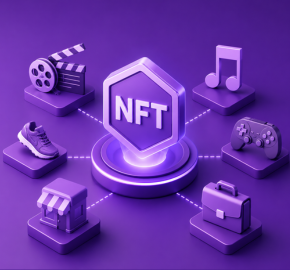
Multi-chain NFT marketplace development enables digital assets to operate across multiple blockchains, improving liquidity, reducing single-chain risk, and offering users more choices. Building a marketplace that spans Ethereum, layer-2 networks, and alternative chains requires planning for interoperability, token standards, security, and user experience.
- Define interoperability strategy and supported token standards (ERC-721, ERC-1155, and equivalents).
- Design secure smart contracts, cross-chain bridges, and decentralized storage for metadata.
- Plan compliance and UX: wallet support, gas management, and optional KYC/AML where required.
- Implement audits, monitoring, and processes for upgrades and incident response.
Design principles for multi-chain NFT marketplace development
Core design decisions drive long-term resilience. Prioritize interoperability by choosing whether to use cross-chain bridges, wrapped assets, or indexer-driven native listings. Balance decentralization and usability by deciding on custodial versus non-custodial flows, smart contract upgradeability, and the degree of on-chain versus off-chain order matching.
Interoperability approaches
Common patterns include cross-chain bridges that move or wrap tokens, relayer networks that prove ownership across chains, and shared metadata registries. Bridges add flexibility but must be paired with strong security and monitoring. Native multi-chain listings (indexing and mirroring metadata across chains) can reduce bridging risk at the cost of more complex indexing.
Token standards and metadata
Supporting established standards (for example, ERC-721 and ERC-1155 equivalents on other chains) simplifies integrations with wallets and wallets’ NFT displays. Metadata storage should use decentralized options like IPFS or distributed object stores to avoid single points of failure while ensuring metadata immutability and provenance.
Technical components
Smart contracts and marketplace logic
Smart contracts handle listings, auctions, royalties, escrow, and dispute mechanisms. Design contracts for gas efficiency and modularity. Implement clear ownership and royalties logic that follows on-chain standards to improve compatibility with wallets and marketplaces.
Cross-chain transfer and bridging
Bridges and relayer services enable assets to move between chains. Select audited bridge protocols or implement controlled wrapping strategies. Include timeouts, dispute windows, and event finality checks to reduce the risk of double-spends or reorg-related issues.
Wallets, signatures, and UX integration
Provide broad wallet compatibility (browser extensions, mobile wallets, and custodial options). Use standard signing flows and message formats. Abstract chain-specific differences so users see coherent pricing and transaction prompts across networks.
Standards reference
Leverage recognized token standards and developer guidance to ensure compatibility with wallets and ecosystem tooling. For authoritative information about token standards and best practices, consult the Ethereum token standards documentation: Ethereum token standards.
User experience and compliance
Onboarding and wallets
Simplify wallet connection and chain selection. Offer clear gas fee estimates, and suggest layer-2 or alternative chains when appropriate. Consider fiat on-ramp integrations to help new users acquire crypto without leaving the marketplace.
Regulatory and compliance considerations
Regulatory frameworks vary by jurisdiction. Monitor regional rules such as the EU's Markets in Crypto-Assets (MiCA) regime and guidance from international bodies like the Financial Action Task Force (FATF). Decide whether and where to implement KYC/AML, tax reporting, or content moderation based on legal counsel and operational requirements.
Security, auditing, and operations
Audits and threat modeling
Engage third-party security auditors for smart contracts, bridge components, and off-chain services. Perform threat modeling for cross-chain flows, front-end signing, and wallet interactions. Include code reviews, fuzz testing, and formal verification where practical.
Monitoring and incident response
Implement on-chain monitoring for abnormal transfers, reorgs, and bridge anomalies. Establish a playbook for incident response including communication protocols, pausing mechanisms for contracts, and legal escalation paths. Maintain backups of off-chain metadata and key operational data.
Operational governance
Define upgrade paths for smart contracts using multisig or DAO-based governance. Keep a clear separation between administrative powers and user-facing functionality to limit centralization risks while enabling timely fixes.
Launching, testing, and scaling
Testnets and pilot launches
Use testnets and private environments to validate cross-chain flows, fees, and UX. Launch small pilot programs before scaling to multiple chains to surface integration issues and latency considerations.
Performance and cost management
Monitor gas trends and guide users to economical chains or layer-2 networks. Implement batching, meta-transactions, or gas sponsorship where appropriate to improve user experience and reduce friction.
Analytics and marketplace health
Track metrics such as listings per chain, cross-chain transfers, liquidity, average sale price, and time-to-sale. These KPIs guide decisions on which chains to prioritize or deprecate.
Governance and long-term maintenance
Plan for governance, including fee structures, royalty enforcement, content policies, and upgrade mechanisms. Engagement with community stakeholders and clear documentation supports sustainable growth and trust.
FAQ
What is multi-chain NFT marketplace development and why does it matter?
Multi-chain NFT marketplace development refers to building marketplace infrastructure that operates across more than one blockchain network. It matters because it increases buyer and seller choice, reduces concentration risk on any single chain, and can lower transaction costs by leveraging layer-2 networks and alternative chains.
Which token standards should a multi-chain marketplace support?
Supporting common standards like ERC-721 and ERC-1155 or their equivalents on other chains improves interoperability with wallets, indexers, and external marketplaces. Including metadata and royalty standards increases compatibility and creator protection.
How are cross-chain transfers secured?
Security depends on the chosen bridging mechanism. Trusted bridges require custodial controls and audits; decentralized bridges rely on cryptographic proofs and validator sets. Implementing monitoring, dispute windows, and audits reduces risk.
What compliance measures are typical for NFT marketplaces?
Compliance varies by jurisdiction. Marketplaces may implement KYC/AML, sanctions screening, and tax reporting depending on local laws and the expected user base. Consultation with legal and regulatory experts is recommended.
How can marketplaces reduce user friction related to gas fees?
Strategies include supporting layer-2 networks, using meta-transactions, batching operations, offering gas fee estimates, and integrating fiat on-ramps so users can buy and transact with minimal friction.
What ongoing maintenance is needed after launch?
Ongoing tasks include security monitoring, smart contract upgrades, interoperability maintenance as chains evolve, managing liquidity and listings, and updating integrations with wallets and indexers.
References and standards evolve rapidly; consult up-to-date resources from standards bodies, academic research, and official developer documentation when designing and operating a multi-chain NFT marketplace. Consider guidance from organizations such as the Ethereum Foundation and regulatory developments like MiCA when planning cross-border operations.
Related Posts