How to Find Reliable Truck Repair Services When a Truck Won't Start
-

- March 22nd, 2026
- 354 views

Get a free topical map and start building content authority today.
When a vehicle refuses to start, the next move should be practical and fast: find reliable truck repair services, secure safety, and limit further damage. This guide explains clear steps for a spouse or partner handling the situation, how to evaluate repair options, and what to ask before committing—without technical jargon.
- Immediate steps: safety first, basic troubleshooting (battery, fuel, immobilizer), document the issue, consider mobile repair or tow.
- Use the REPAIR checklist to evaluate shops: Roadside options, Estimates & credentials, Parts & warranty, Ask about certifications, Insurance & payment, Read reviews & references.
- Watch for common mistakes: choosing lowest price, failing to get a written estimate, ignoring certifications.
Detected intent: Procedural
How to find reliable truck repair services: a practical REPAIR checklist
Use the REPAIR checklist to quickly compare options and make a confident choice when a truck won't start. The framework works for light trucks, pickups, and diesel rigs and aligns with consumer-protection best practices.
- R — Roadside assessment: Confirm safety (traffic, location), move the vehicle to a safe spot if possible, and identify whether the issue is an immediate emergency (smoke, strange odor).
- E — Estimates & credentials: Request a written initial estimate and check for ASE, OEM, or manufacturer certifications. Ask about experience with the truck’s make, model, and engine type.
- P — Parts & warranty: Confirm whether OEM or aftermarket parts are used, warranty length, and who covers labor for returned failures.
- A — Ask about diagnostics: Verify if a full diagnostic scan will be run before parts are ordered and whether diagnostic fees are waived with repair.
- I — Insurance & payment: Check if payment methods are accepted and if shop will bill insurance or require payment up front.
- R — Read reviews & references: Look for recent reviews, ask for references from similar repairs, and check records with local business bureaus.
Immediate step-by-step actions when the truck won't start
Follow these procedural actions in order to manage safety and reduce repair costs:
- Ensure safety: Park out of traffic, switch on hazards, and move passengers away from road if required.
- Do a quick truck won't start troubleshooting: check battery terminals for corrosion, try a jump-start if safe and familiar, verify fuel gauge, and try a spare key to rule out immobilizer issues.
- Document symptoms: note sounds (clicking, cranking), warning lights, smell (burning, gas), and the exact failure time and conditions.
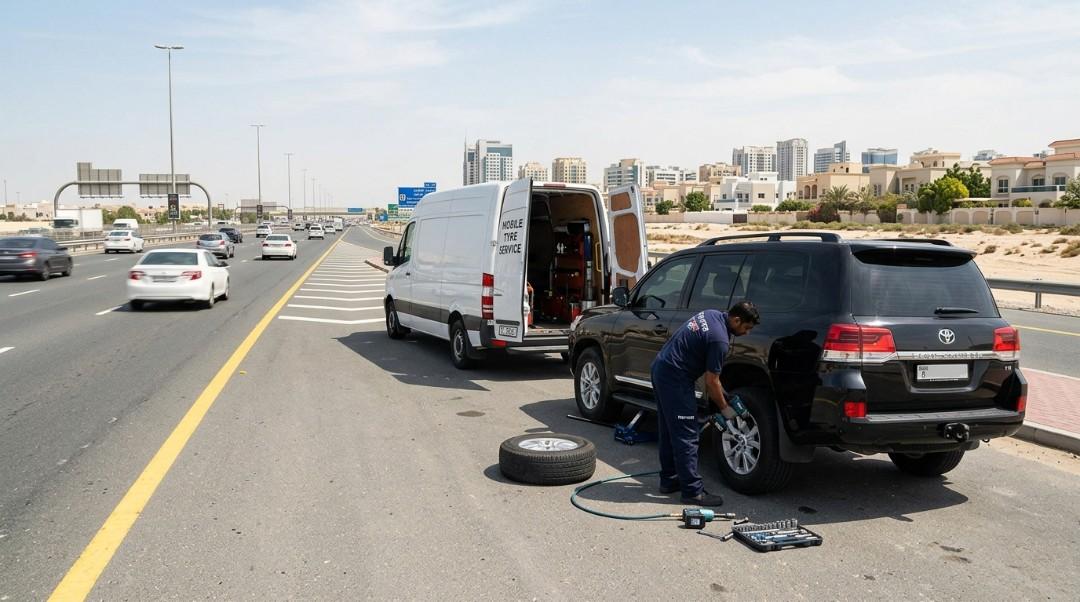
- Decide between mobile repair, tow to trusted shop, or roadside assistance—use the REPAIR checklist to evaluate each option.
- Get at least two written estimates before approving major work when time allows; if immediate service is required, document authorization clearly.
Verifying credentials and safety: what to ask a shop or mobile mechanic
- Are technicians ASE-certified or factory-trained for this truck model?
- Is a formal diagnostic scan included, and will diagnostic fees be reimbursed if repairs are performed?
- What parts will be used and what warranties apply to parts and labor?
- Is proof of insurance and business registration available?
Short real-world scenario
At 6 PM in a grocery parking lot, a spouse finds the husband’s pickup won't start and it only clicks. After the safety check, the spouse uses the REPAIR checklist: calls a mobile mechanic with ASE credentials, asks whether diagnostic fees apply, gets a text estimate, and approves a battery replacement with a 12-month warranty. The mobile mechanic completes the job on site, documents the repair, and provides a receipt that the spouse files for warranty proof.
Practical tips for evaluating repair choices
Three actionable tips to make reliable decisions quickly:
- Use local resources: check recent reviews on multiple platforms, but prioritize detailed reviews mentioning similar repairs and timeliness.
- Ask for a timeline: a trustworthy shop will give a realistic completion window and communicate delays in advance.
- Keep records: save photos, receipts, written estimates, and text confirmations to support warranty claims or insurance.
Trade-offs and common mistakes to avoid
Choosing a repair option involves trade-offs. Consider these common mistakes:
- Picking the cheapest quote: Low price can mean poor parts, no warranty, or inexperienced technicians. Balance cost with credentials and warranties.
- Skipping written estimates: Verbal agreements create disputes. Always get itemized estimates and sign authorizations.
- Ignoring diagnostic steps: Replacing parts without a proper diagnostic can lead to repeat failures and higher total cost.
Core cluster questions for related content and internal linking
- How can emergency roadside services help when a truck won't start?
- What certification should a diesel truck mechanic have?
- When is mobile truck repair a better option than towing?
- How to read and compare written repair estimates?
- What warranty questions to ask before approving major truck repairs?
For consumer-protection guidance on hiring repairs and getting written estimates, consult official advice such as the FTC advice on hiring a mechanic.
Checklist for the moment: the 6-point quick decision list
- Confirm safety and move vehicle if possible.
- Perform quick troubleshooting (battery, fuel, key).
- Document symptoms with photos and notes.
- Call mobile repair if safe, otherwise call tow.
- Request written estimate and ask about diagnostics and warranty.
- Authorize only the work agreed in writing; keep all receipts.
FAQ
How can I find reliable truck repair services near me?
Start with the REPAIR checklist: verify certifications (ASE, manufacturer training), ask for written estimates and warranty details, read multiple recent reviews, and confirm insurance and business registration. Prioritize shops with documented experience on the same truck model and clear diagnostic procedures.
What should be checked first when a truck won't start?
Check safety first, then battery connections and charge, fuel level, and whether the ignition or immobilizer is recognizing the key. If the truck only clicks or shows no power, a battery or starter issue is likely; document all symptoms before accepting repairs.
Is a mobile truck repair mechanic as reliable as a shop?
Mobile mechanics can be reliable for many repairs and are convenient for roadside fixes. Verify credentials, warranty coverage, and whether the mechanic will provide a written receipt and diagnostic proof. For major engine or transmission work, a shop with full diagnostic equipment may be preferable.
How much should a diagnostic test cost and will it be credited toward repairs?
Diagnostic fees vary by region and vehicle type; ask the shop upfront. Many reputable shops will credit the diagnostic fee toward the final repair invoice if work is performed, but confirm this in writing before authorizing diagnostics.
What documents and photos should be kept after the repair?
Keep the itemized estimate, final invoice, photos of the damaged area, diagnostic reports, part numbers used, and any warranty paperwork. These records support warranty claims and insurance or dispute resolution if problems recur.