Best Nasha Mukti Kendra in Dwarka: Finding Support for a Healthier Future
-

- Published Updated
- 87 views
Addiction often changes everyday life in ways that are difficult to notice at first. Someone may begin drinking or using drugs occasionally, then gradually struggle to manage cravings, responsibilities, and relationships. Families can feel confused, worried, or unsure about where to turn. Seeking professional guidance is an important step, and finding the best Nasha Mukti Kendra in Dwarka can help people explore a safer path towards recovery.
Shanti Devi Nasha Mukti Kendra focuses on helping individuals address substance dependence with care, understanding, and structured rehabilitation support. Its approach recognises that recovery involves physical health, emotional well-being, family relationships, and the ability to manage daily challenges.
Understanding Addiction Without Judgment
Addiction is not simply a lack of discipline. Continued substance use can affect decision-making, behaviour, sleep, and emotional balance. A person may want to stop but find withdrawal symptoms or strong cravings difficult to handle. Criticism and shame can make asking for help even harder.
An effective de addiction centre in Dwarka should create an environment where people can discuss their struggles openly. Listening carefully, assessing individual needs, and developing a suitable treatment plan can help patients participate in recovery with greater confidence.
Services That Can Support Lasting Change
Medical Assessment and Detox Support
The first stage often involves understanding a person's health, substance use history, and potential withdrawal risks. Certain substances, particularly alcohol and sedatives, can cause dangerous withdrawal symptoms. When necessary, detoxification should take place under appropriate medical supervision. This stage prepares patients for further counselling and rehabilitation rather than completing recovery on its own.

Individual Counselling and Behavioural Support
Counselling helps people identify situations, emotions, and habits connected with substance use. Personal sessions provide space to discuss anxiety, stress, relationship difficulties, and other concerns. Behavioural strategies can help patients respond to cravings and make better decisions when faced with familiar triggers.
Group Sessions and Peer Encouragement
Recovery can feel isolating. Group discussions allow participants to hear different experiences, share challenges, and understand that others face similar difficulties. Respectful group support may strengthen motivation and encourage accountability without creating pressure or embarrassment.
Yoga, Meditation, and Daily Routine
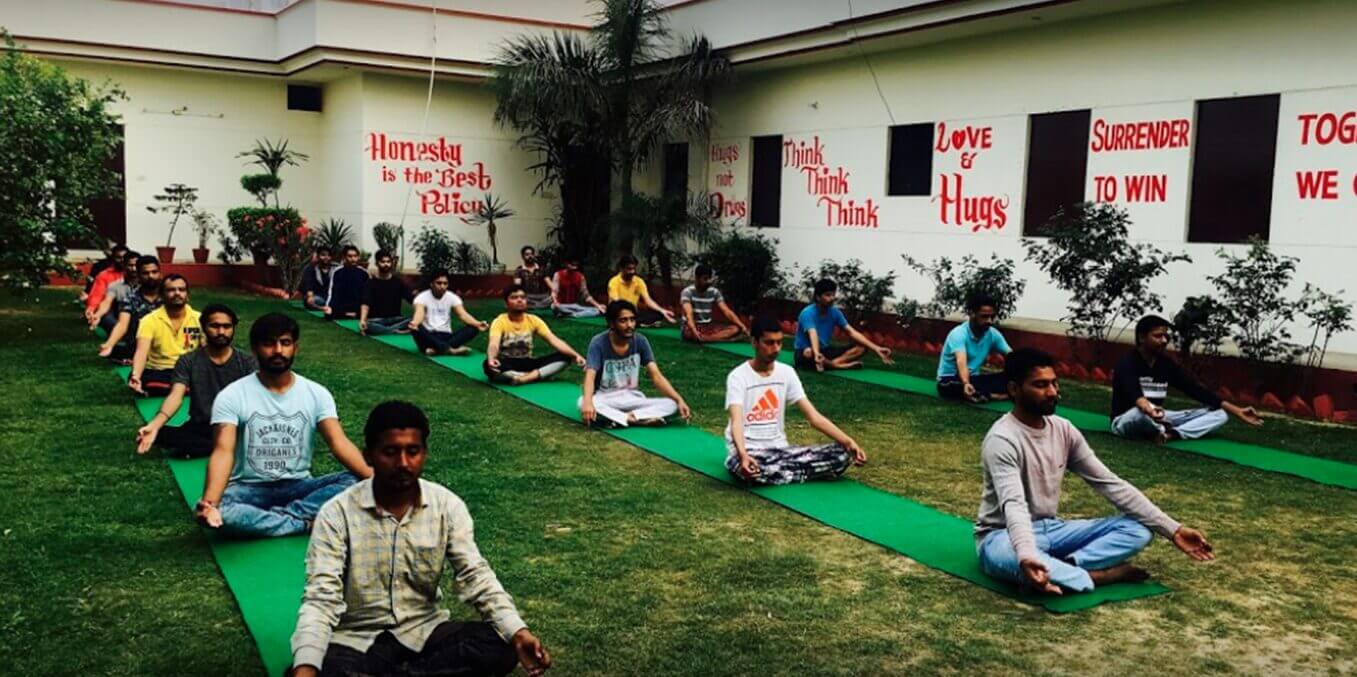
Physical movement, relaxation, and a predictable schedule can complement clinical care. Activities such as yoga and meditation may help patients manage stress and improve concentration. Regular meals, proper sleep, and purposeful daily tasks also encourage healthier habits that remain useful after rehabilitation.
Family Counselling and Understanding
Addiction affects everyone living close to the person experiencing it. Family members may struggle with broken trust, arguments, or uncertainty about boundaries. Counselling can help them communicate more calmly, recognise unhelpful patterns, and offer support without ignoring their own well-being.
Life After Rehabilitation Matters
Returning home brings opportunities but also familiar challenges. Old friendships, stressful situations, or emotional setbacks may trigger cravings. That is why relapse prevention and aftercare deserve attention from the beginning. Follow-up counselling, support networks, and a practical plan for difficult moments can help people maintain progress.
Shanti Devi Nasha Mukti Kendra highlights the importance of emotional support and recovery practices that extend beyond the initial treatment period. Its rehabilitation approach brings together counselling, wellness activities, and family involvement to help individuals work towards greater stability.
Recovery planning also means preparing for ordinary responsibilities. Returning to work, repairing relationships, managing money, and finding hobbies can take time. Small, realistic goals make these changes less overwhelming. Encouragement from trusted people can help someone stay engaged even when progress feels slow.
Choosing a Centre With Care
Anyone comparing options for alcohol addiction treatment in Dwarka or drug rehabilitation should ask important questions before making a decision. Are trained professionals involved? Is medical supervision available when withdrawal may be risky? Does the programme consider mental health needs? Are treatment costs, family communication policies, and aftercare arrangements clearly explained?
The right rehabilitation centre should respect privacy, treat people with dignity, and avoid promises of instant or guaranteed recovery. Personal needs matter more than impressive advertising claims.

A New Chapter Is Possible
Recovery does not look the same for everyone. Some people make steady progress, while others need additional support after setbacks. What matters is having access to appropriate care and continuing to build healthier coping skills.
For individuals and families searching for a Nasha Mukti Kendra in Dwarka, Shanti Devi Nasha Mukti Kendra offers a name to consider when exploring compassionate, structured addiction recovery support. Asking for help today can become the first meaningful step towards better health, stronger relationships, and a more hopeful future.
Visit: https://shantidevideaddiction.com/nasha-mukti-kendra-in-dwarka.html#