Navroz Parsi New Year: Traditions, Meaning, and Celebration Guide
-

- Published Updated
- 1,766 views
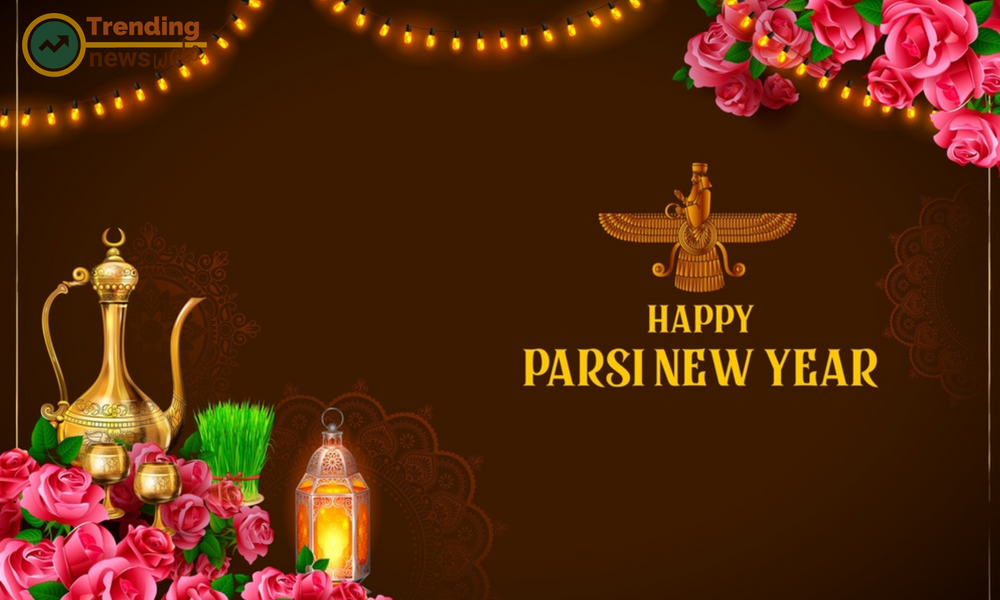
Navroz Parsi New Year is the Zoroastrian community's celebration of renewal and the start of a new year. Observed by Parsis and other Zoroastrian groups, the festival combines religious rituals, family gatherings, communal meals, and acts of charity that highlight themes of purification, gratitude, and social harmony.
- Navroz Parsi New Year marks renewal in the Zoroastrian calendar and is celebrated with prayers, home cleaning, and festive meals.
- Common practices include visiting fire temples, preparing traditional foods, wearing new clothes, and giving to charity.
- The festival has historical roots in ancient Persian culture and is recognized in academic and cultural sources such as Encyclopaedia Britannica (Encyclopaedia Britannica).
Navroz Parsi New Year: origins and cultural context
The observance called Navroz traces back to Zoroastrian religious calendars and ancient Persian traditions that emphasize the cyclical renewal of nature and human life. While variations exist across regions and among Zoroastrian communities, common cultural themes include purification, community gatherings, and gratitude for life and the environment.
Key rituals and practices
Fire temple prayers and religious observances
Many families begin the day with visits to a fire temple or home prayers. Fire, a central symbol in Zoroastrian worship, represents purity and the divine light. Rituals may include recitation of prayers, offerings, and acts aimed at spiritual renewal.
House cleaning and preparation
Cleaning the home, preparing special foods, and arranging fresh flowers are common practices before Navroz. This physical preparation mirrors the festival's symbolic focus on starting the year with a refreshed environment and renewed intentions.
Feasting and traditional foods
Festive meals bring families together and often feature recipes passed through generations. Foods vary by community and region, but sharing a communal meal is a widespread element of the celebration. In many households, sweets and special dishes are prepared to mark the occasion.
Visiting, gift exchanges, and charity
Visits to relatives and friends, exchanging small gifts or tokens, and giving to those in need are customary. Charity and helping others reflect ethical teachings within Zoroastrianism that encourage good thoughts, words, and deeds.
Symbols and seasonal meanings
Navroz often coincides with seasonal renewal, so motifs such as blooming flowers, fresh clothes, and cleaned homes serve as visual reminders of starting anew. These elements support cultural values around stewardship of the environment and communal wellbeing.
How communities and calendars differ
Regional variations
Different Zoroastrian groups and local communities may observe Navroz on different dates or with distinct customs. Variations arise from the use of different ritual calendars and historical developments within diaspora communities.
Community events and public celebrations
In places with larger Zoroastrian populations, community centers and associations organize gatherings that include cultural programs, music, and public meals. These events help pass traditions to younger generations and provide social support.
Practical tips for attending or observing Navroz
Respectful participation
When attending Navroz observances, arrive on time, dress modestly, and follow local customs for temple visits or family rituals. Asking hosts about appropriate behavior—such as removing shoes before entering ritual spaces—demonstrates respect.
Food and gift etiquette
Bringing a small food item, flowers, or a considerate gift for hosts is generally welcomed. Be mindful of dietary customs within the household and offer items that respect religious and cultural practices.
Sources and reliability
Information about Navroz and Zoroastrian traditions draws on historical, cultural, and academic references. For general background on Zoroastrianism and its cultural practices, consult reputable sources such as Encyclopaedia Britannica, which provides context on the religion's history and major customs.
Contemporary significance
Navroz continues to be an important marker of cultural identity for Zoroastrian communities around the world. It functions as both a religious observance and a social celebration that reinforces family ties, communal bonds, and intergenerational continuity.
Further reading and community resources
For deeper study, academic works on Zoroastrianism, cultural anthropology, and histories of Persian traditions are useful. Community centers and religious organizations can provide local calendars and guidance for specific observances.
FAQ
What is Navroz Parsi New Year?
Navroz Parsi New Year is the Zoroastrian celebration of the new year and seasonal renewal. It involves religious rites, cleaning, festive meals, and acts of charity, with local and regional variations in date and practice.
When is Navroz usually celebrated?
The exact date can vary by community and calendar tradition. Some groups observe Navroz in alignment with seasonal markers, while others follow specific ritual calendars. Local community centers can provide the exact date used by a particular congregation.
How do people prepare for Navroz?
Preparation typically includes cleaning the home, preparing special dishes, visiting places of worship, and planning social visits. Many people also wear new or special clothing to mark the occasion.
Can non-Zoroastrians attend Navroz events?
Many community events and cultural programs are open to the wider public. When attending, follow host guidance, be respectful of rituals and attire, and ask about any local etiquette to ensure appropriate participation.