When Does Jaundice in a Newborn Require Hospital Treatment?
-

- Published Updated
- 3,209 views
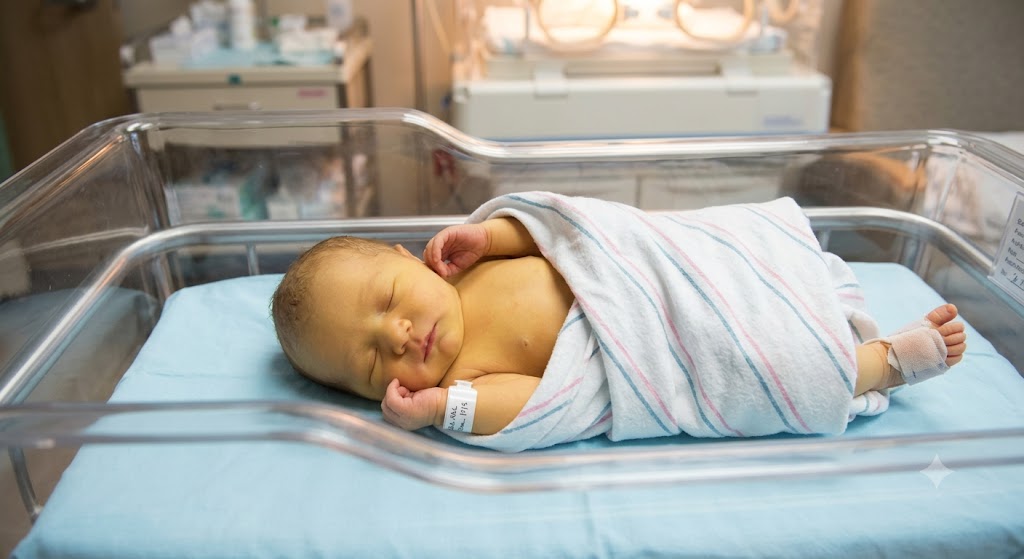
Jaundice is common in newborn babies and usually appears as a yellowing of the skin or whites of the eyes. It happens when bilirubin, a substance produced as red blood cells break down, builds up in the blood. Many newborns have mild jaundice that improves naturally, but some need medical assessment and treatment. For parents researching the top super specialty hospital in srinagar,kashmir, understanding when jaundice requires hospital care can help them respond appropriately.
Why Do Newborns Develop Jaundice?
Newborns naturally produce bilirubin while their bodies process red blood cells. Their developing liver may not remove bilirubin from the blood as efficiently as an older child's liver, allowing levels to rise temporarily.
Jaundice can be more likely or more significant in premature babies, babies with feeding difficulties, or newborns with certain blood-group differences or medical conditions. The timing and severity of jaundice are important when deciding whether evaluation is necessary.
When Should a Baby Be Checked?
A healthcare professional should assess a newborn with visible jaundice, particularly when it appears during the first day after birth, becomes noticeably deeper, spreads to the abdomen or limbs, or does not improve as expected.
Parents should not rely only on skin color to judge bilirubin levels. A baby may need a bilirubin measurement to determine whether the level is safe for their age and circumstances.
When comparing the top super specialty hospital in srinagar,kashmir, parents can consider whether newborn assessment, bilirubin testing, paediatric care, and appropriate follow-up are available.
What Factors Affect Treatment Decisions?
Doctors consider the baby's age in hours, gestational age, bilirubin level, overall health, and other risk factors when deciding whether treatment is needed. The same bilirubin measurement may not carry the same significance for every newborn.
The baby's feeding pattern and hydration are also relevant. Difficulty feeding, fewer wet diapers, excessive sleepiness, or poor weight gain can require closer assessment.
When Is Hospital Treatment Needed?
Not every newborn with jaundice needs hospital treatment. If bilirubin reaches a level where treatment is recommended, phototherapy may be used. This treatment exposes the baby's skin to a specific type of light that helps the body process bilirubin so it can be eliminated.
In rare, severe situations, doctors may consider more intensive treatment, including an exchange transfusion. This is reserved for serious cases where bilirubin is dangerously high or continues to rise despite appropriate management.
Treatment decisions should always be made by qualified healthcare professionals based on the baby's clinical condition and bilirubin results.
Feeding and Monitoring
Adequate feeding is important because it supports hydration and helps the body eliminate bilirubin through urine and stool. Parents should follow the feeding advice provided by their baby's healthcare team.
A baby who is difficult to wake for feeds, feeds poorly, vomits repeatedly, or produces significantly fewer wet diapers should be assessed promptly. Do not assume that worsening jaundice is simply part of normal newborn development.
Warning Signs Parents Should Know
Seek urgent medical attention if a jaundiced newborn is unusually sleepy or difficult to wake, refuses feeds, has abnormal movements or seizures, develops a high-pitched cry, becomes floppy or unusually stiff, or appears seriously unwell.
Jaundice that develops very early, becomes rapidly more noticeable, or continues beyond the expected period should also be discussed with a healthcare professional.
For families searching for the top super specialty hospital in srinagar,kashmir, access to neonatal assessment, laboratory testing, treatment facilities, and follow-up care can be important considerations.
What Happens During Evaluation?
A doctor may examine the baby's skin and eyes, assess feeding and hydration, review the birth history, and measure bilirubin using a blood test or an appropriate non-invasive device. Additional tests may be recommended when doctors suspect an underlying cause.
Follow-up measurements may be needed because bilirubin levels can change during the first days of life.
Choosing Newborn Care
The top super specialty hospital in srinagar,kashmir should be evaluated according to available neonatal and paediatric expertise, diagnostic facilities, treatment support, emergency access, and follow-up arrangements. Families should verify current services directly with the hospital.
Conclusion
Newborn jaundice is often manageable, but some babies need monitoring or hospital treatment when bilirubin levels become too high or risk factors are present. If you are researching the top super specialty hospital in srinagar,kashmir, Noora Hospital can be considered when its available neonatal and paediatric services match your baby's healthcare needs. Parents should seek prompt medical advice for worsening jaundice, poor feeding, unusual sleepiness, or other concerning symptoms.