Oatmeal Nutrition Guide: Calories, Fiber, and Health Benefits
-

- Published Updated
- 1,660 views
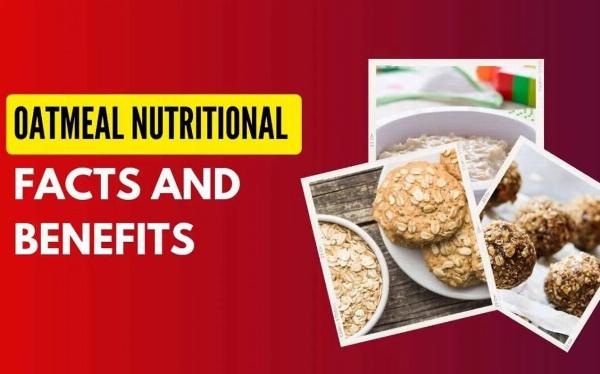
Oatmeal nutritional facts and benefits are commonly cited when people choose breakfast or seek whole-grain options. Oats are a source of complex carbohydrates, soluble fiber (notably beta-glucan), plant protein, and a range of vitamins and minerals. Nutrient composition varies by oat type and serving size, so the numbers below are approximate.
- Typical serving (1/2 cup dry/40 g rolled oats): ~150–160 kcal, 5–6 g protein, 3–4 g fat, 25–30 g carbohydrates, 4 g fiber.
- Key fiber: beta-glucan (soluble fiber) associated with modest reductions in LDL cholesterol.
- Micronutrients: source of magnesium, phosphorus, iron, zinc, and B vitamins.
- Forms: steel-cut, rolled, and instant oats differ in texture and processing; nutrient differences are small.
Oatmeal Nutritional Facts and Benefits
Typical nutrient profile
Exact oatmeal nutritional facts depend on form (steel-cut, rolled, quick, or instant) and whether it is prepared with water or milk and any added ingredients. A common reference is a 1/2 cup (about 40 g) of dry rolled oats, which provides roughly 150–160 kilocalories, 5–6 grams of protein, 3–4 grams of total fat, 25–30 grams of carbohydrates and about 4 grams of dietary fiber. Oats also contain small amounts of sugar and are low in saturated fat.
For specific nutrient values consult authoritative databases such as the USDA FoodData Central, which lists detailed entries for different oat products.
Soluble fiber and beta-glucan
Oats are notable for beta-glucan, a soluble fiber that forms a gel in the gut. Beta-glucan is associated in clinical reviews with modest reductions in LDL ("bad") cholesterol and improvements in markers of heart health when consumed as part of a balanced diet. Health organizations often recommend whole grains and soluble fiber intake as part of cardiovascular risk reduction strategies.
Micronutrients and plant protein
Oats provide minerals such as magnesium, phosphorus, iron, and zinc, plus B vitamins including thiamine and pantothenic acid. Protein content is higher than many other grains on a per-serving basis, delivering several grams per typical portion. While oats are not a complete protein source, they contribute to daily protein intake especially in plant-forward diets.
Health-related effects and considerations
Heart health and cholesterol
Consumption of oats and oat-based products is associated with improvements in blood lipid profiles in randomized trials and systematic reviews when part of an otherwise healthy diet. The effect is largely attributed to beta-glucan and overall dietary patterns. Organizations that provide dietary guidance, including associations focused on cardiovascular health, recommend whole grains and soluble fiber for heart health.
Blood sugar and glycemic response
Oatmeal has a moderate glycemic index that depends on oat processing and preparation. Less-processed oats (steel-cut or rolled) tend to have a lower glycemic impact than instant oats. Combining oats with protein, fat, or fiber-rich toppings can further reduce post-meal blood sugar spikes.
Satiety and weight management
Fiber and the slow-digesting carbohydrate profile of oats can increase feelings of fullness after a meal, which may help with portion control when included as part of a balanced diet. This should not be interpreted as a guarantee of weight loss; overall energy balance and dietary patterns matter most.
Choosing, preparing, and storing oats
Types of oats
Common forms include steel-cut (least processed), rolled (flattened), and instant (more processed). All are whole-grain oats if the bran, germ, and endosperm remain. Nutrient differences are minor, but texture, cooking time, and glycemic response vary.
Preparation tips
Cooking oats in water without added sugar keeps calories lower; milk or milk alternatives increase protein and calories. Adding nuts, seeds, fruit, or yogurt boosts micronutrients, healthy fats, and protein. Watch portions and avoid high-sugar flavored instant mixes if limiting added sugars.
Storage
Store oats in a cool, dry place in an airtight container. Proper storage preserves quality and reduces the risk of contamination. Rolled and steel-cut oats have a long shelf life; older oats may develop off-flavors but are not necessarily unsafe if stored correctly.
Potential drawbacks and safety
Gluten cross-contact and allergies
Oats are naturally gluten-free but are often processed in facilities that also handle wheat, barley, or rye, which can cause cross-contact. People with celiac disease or severe gluten sensitivity should choose oats labeled as gluten-free and follow guidance from health professionals or regulatory agencies.
Digestive tolerance
High-fiber foods can cause gas or bloating for some individuals, especially when fiber intake increases rapidly. Gradually increasing portions and maintaining adequate hydration can help reduce discomfort.
Practical advice for inclusion in a balanced diet
Portion guidance and variety
Typical single-portion servings are 1/2 cup dry (cooked yields about 1 cup) but personal needs vary by energy requirements. Pairing oats with protein and healthy fats creates a balanced meal. Rotate grains and whole-grain foods for variety and broader nutrient coverage.
When to seek professional guidance
For individualized nutrition planning, including management of medical conditions or allergies, consult credentialed nutrition professionals or healthcare regulators in the relevant jurisdiction.
FAQ
What are the main oatmeal nutritional facts and benefits?
Oats provide complex carbohydrates, soluble fiber (beta-glucan), plant protein, and minerals such as magnesium and iron. Benefits commonly linked to oats include modest reductions in LDL cholesterol, improved satiety, and a favorable nutrient density compared with many refined breakfast options. Exact nutrient amounts depend on oat type and serving size.
Is oatmeal good for weight loss?
Oatmeal can support feelings of fullness and may help with portion control, but weight loss depends on overall calorie balance and dietary patterns. Including oats as part of a balanced diet can be helpful for some individuals.
Which type of oats is healthiest: steel-cut, rolled, or instant?
All three are whole grains if unrefined. Steel-cut and rolled oats are less processed than instant oats and may have a lower glycemic effect and chewier texture. Nutritionally they are similar; choice depends on preference and convenience.
Can people with celiac disease eat oats?
People with celiac disease may tolerate oats that are certified gluten-free to avoid cross-contact with wheat, barley, or rye. Guidance from healthcare professionals and regulatory agencies should be followed.