Omsk Medical University 2024-25: Ranking, MBBS Fees & Cost Breakdown
-

- Published Updated
- 1,762 views
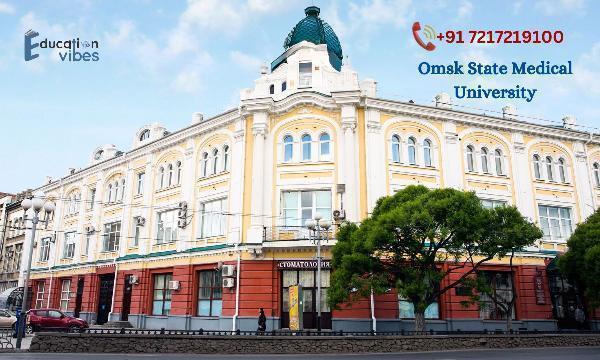
Omsk State Medical University Ranking & Fees Structure 2024-25 is a common search for prospective international students comparing Russian medical schools. This guide summarizes current accreditation, typical tuition and living cost ranges, the structure of fees for MBBS (general medicine) programs, and pointers to official sources for 2024–25 planning.
- Location: Omsk, Russia
- Typical program length: 6 years (General Medicine/MBBS equivalent)
- Estimated tuition (international students): approx. 300,000–600,000 RUB per year (roughly USD 3,500–7,000 depending on exchange rates and program year)
- Hostel & living costs in Omsk: approx. 8,000–20,000 RUB/month
- Recognition: Listed in international directories and overseen by Russian higher-education regulators
Omsk State Medical University Ranking & Fees Structure 2024-25
Overview and accreditation
Omsk State Medical University (sometimes referred to as a medical academy in older sources) is a public medical school in Omsk, Russia. The university is regulated by the Russian Ministry of Science and Higher Education and the Ministry of Health for clinical training standards. International directories and regulators (for example, national medical commissions and the World Directory of Medical Schools) list many Russian medical institutions; individual recognition for licensing exams depends on the graduate’s home-country regulator.
How rankings should be interpreted
Global ranking tables (QS, Times Higher Education, Webometrics) use different criteria—research output, citations, international outlook, industry income—and many Russian specialist medical schools do not appear prominently in university-wide global league tables. National-level lists published by Russian education authorities or higher-education analysts can provide more targeted comparisons for medical training quality, faculty credentials, and research activity.
Tuition and fees: typical components
Fee categories for 2024–25
University costs are usually broken down as follows:
- Tuition fee (annual): the core academic charge for coursework and clinical instruction.
- Admission/registration fees: one-time amounts at enrollment, which may include document processing and medical checks.
- Clinical/skills lab fees: occasional charges for simulation labs, consumables, or practical assessments.
- Hostel accommodation: optional university dormitories with seasonal rates.
- Insurance and registration: medical insurance and migration registration fees for foreign students.
Estimated tuition range
For 2024–25, tuition for international students in general medicine programs at Russian regional medical universities commonly falls in a broad range. Omsk State Medical University’s annual tuition for international MBBS students is typically in the range of approximately 300,000 to 600,000 Russian rubles per year (approximately USD 3,500–7,000 at common exchange rates). Exact figures vary by intake year, language track (Russian vs. English if offered), and any institutional updates. Additional costs such as dormitory, food, travel, and examination fees should be included in budgeting.
Programs, duration and language of instruction
Program structure
General Medicine (equivalent to MBBS in many systems) is normally a six-year program combining pre-clinical coursework, clinical rotations and internship components in hospitals. Some universities offer preparatory language and foundation year programs for international students who require Russian-language training before beginning medical courses.
Language options
Instruction is most commonly in Russian; some universities in Russia offer English-medium tracks for select cohorts. Prospective applicants should confirm the language of instruction, available preparatory courses, and any language-proficiency requirements.
Admissions, eligibility and payment schedule
Common admission requirements
- Secondary-school completion certificate (with science subjects) or equivalent credential.
- Entrance exam or academic credential evaluation, where required.
- Proof of language proficiency if the program is in Russian or English.
- Valid passport and health clearances for visa processing.
Payment timing and modes
Universities generally ask for tuition payment annually or in agreed instalments. Payment can be made by bank transfer; international students should confirm exact bank details, deadlines, and any permitted instalment plans. Some institutions require a deposit to secure a place before visa application paperwork is issued.
Living costs, scholarships and financing
Estimated living expenses in Omsk
Omsk is a regional city with lower living costs than major Russian capitals. Monthly expenses for a student (accommodation in university dormitory, food, local transport, basic personal expenses) are commonly estimated at 8,000–20,000 RUB per month (USD 100–250 depending on lifestyle). Private accommodation or more central neighborhoods may be higher.
Scholarship and support options
Scholarships may be available from the Russian government (including state scholarships for selected international applicants), university merit-based awards, or bilateral education agreements between countries. Eligibility and application processes differ by program and nationality; check university admissions materials and national scholarship portals for current opportunities.
International recognition and career pathways
Recognition and licensing
Recognition of a medical degree depends on both the issuing university’s accreditation and the licensing requirements of the country where a graduate intends to practise. Many Russian medical schools are listed in international directories and are subject to national accreditation by Russian regulators; verification with the graduate’s national medical board or licensing authority is essential before assuming automatic eligibility for licensing exams or practice.
For directory listing and basic verification, consult the World Directory of Medical Schools for the university’s entry: World Directory of Medical Schools.
Typical career paths
Graduates often pursue internships, residency training (postgraduate clinical specialization) in Russia or return to their home country for licensing exams and postgraduate training. Research, academic roles and clinical practice are common trajectories; professional registration requirements vary significantly by jurisdiction.
Practical tips for applicants
Checklist before applying
- Confirm the exact tuition and fee schedule for the intended intake year directly with the university admissions office.
- Verify recognition status with the home-country medical regulator if planning to return for licensure.
- Budget for visa processing, travel, health insurance and initial living expenses in addition to tuition.
- Request official fee invoices and payment instructions to avoid intermediaries and unexpected charges.
Conclusion
Omsk State Medical University can offer a structured medical education with recognized accreditation within Russia; however, exact ranking and fee figures vary by publisher and intake year. Prospective students should confirm up-to-date tuition, language tracks and accreditation details directly with university admissions and relevant national licensing authorities before committing to enrollment for 2024–25.
Frequently asked questions
What is the Omsk State Medical University Ranking & Fees Structure 2024-25?
Ranking varies by publisher and methodology; Omsk State Medical University is a recognized regional medical school in Russia. Tuition for international medical students in 2024–25 is commonly estimated between approximately 300,000–600,000 RUB per year. Exact placement in league tables and the precise fee schedule should be verified with official sources.
Is the Omsk medical degree recognized internationally?
Recognition depends on national licensing authorities. Many Russian medical schools are listed in international directories; graduates must check their home-country medical board for eligibility to sit licensing exams or to obtain professional registration.
How much are hostel and living costs in Omsk?
University dormitories are generally the most affordable option; monthly living costs commonly range from 8,000 to 20,000 RUB depending on lifestyle choices. Additional costs for travel, textbooks, and medical insurance should be factored into the total budget.
How to confirm current tuition and apply?
Contact the university’s international admissions office for the latest tuition schedule, application deadlines, required documents and payment instructions. Official communications and signed offers are the primary source for binding financial information.
Where to find authoritative information on university recognition?
Check national higher-education regulators (the Russian Ministry of Science and Higher Education, national medical commissions in the graduate’s home country) and international directories such as the World Directory of Medical Schools for baseline verification.