Online Hackathons: How They Work, Benefits, and How to Succeed
-

- Published Updated
- 3,608 views
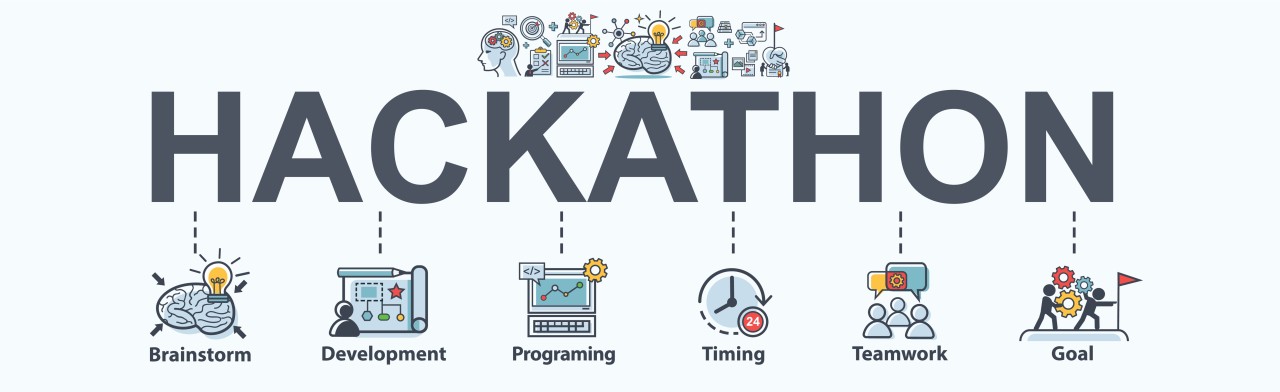
Online Hackathons: Benefits, How They Work, and Why They Matter
Technology has transformed how people learn, collaborate, and solve problems. One of the strongest examples is the rise of online hackathons, which allow students, developers, designers, entrepreneurs, and professionals to participate in innovation challenges from anywhere.
Unlike traditional hackathons that require participants to gather at a physical venue, online hackathons use digital tools to manage registration, teamwork, mentorship, project development, submissions, and judging. This makes innovation more accessible while allowing organizations to reach a wider and more diverse talent pool.
What Are Online Hackathons?
An online hackathon is a time-bound event where participants work individually or in teams to develop solutions to specific challenges. These challenges can focus on artificial intelligence, cybersecurity, healthcare, education, sustainability, fintech, developer tools, and other areas.
A typical event follows a structure such as:
Registration → Team Formation → Challenge Selection → Development → Mentorship → Submission → Judging → Results
Participants are generally expected to build a functional prototype rather than a fully finished commercial product. The focus is on problem-solving, creativity, technical execution, and potential impact.
Benefits of Online Hackathons
1. Greater Accessibility
One of the biggest advantages of online hackathons is that participants do not need to travel. Someone from Delhi can collaborate with participants from Bengaluru, Mumbai, or even other countries.
This removes geographical barriers and makes participation easier for students and professionals with limited time or travel resources.
2. Diverse Collaboration
Remote hackathons can bring together people with different skills and perspectives. A developer can work with a designer, researcher, business student, or domain expert.
Such collaboration can lead to more practical and well-rounded solutions because teams approach problems from different viewpoints.
3. Hands-On Learning
Hackathons provide an opportunity to learn by building. Participants research problems, experiment with technologies, develop prototypes, test solutions, and present their work within a deadline.
For students, this experience can also strengthen portfolios by demonstrating practical skills beyond academic qualifications.
4. Mentorship and Networking
Well-organized online hackathons often include virtual workshops, mentor sessions, and Q&A opportunities. Participants can receive feedback from experienced professionals while also building connections with other innovators.
For beginners, access to mentors can make the experience significantly more valuable.
How to Organize a Successful Online Hackathon
Running an online hackathon requires careful planning. Organizers should begin with clear and meaningful problem statements. Challenges should provide enough direction without restricting creative solutions.
A structured timeline is equally important. Participants should know registration deadlines, development periods, submission requirements, judging stages, and result announcements.
Organizers should also establish clear communication channels for announcements, technical support, mentor interactions, and participant questions.
Finally, judging criteria should be transparent. Factors such as innovation, technical execution, usability, relevance, scalability, and potential impact can be used to evaluate submissions fairly.
How Participants Can Build a Strong Project
Participants should avoid trying to build an overly complicated product. A focused prototype that solves one problem effectively is often stronger than an ambitious project with incomplete features.
Before writing code, teams should clearly define:
The problem they are solving
Their target users
Why the problem matters
How their solution works
What makes their approach different
How success can be measured
A strong final presentation should demonstrate the working prototype and explain its potential real-world impact.
Where U Elevate and the Growing Innovation Ecosystem
The growth of online hackathons reflects a broader shift toward practical skill development and talent discovery. Organizations increasingly want to understand what individuals can actually build and how they approach real-world problems.
Where U Elevate operates within this broader ecosystem by creating opportunities around challenges, practical experiences, talent engagement, and skill demonstration. Such platforms can help emerging talent move beyond traditional credentials and showcase capabilities through projects and problem-solving.
Final Thoughts
Online hackathons have made innovation more accessible, collaborative, and flexible. They provide participants with opportunities to gain practical experience, connect with mentors, build meaningful projects, and showcase their skills.
For organizations, they can also become an effective way to engage communities, encourage innovation, and discover emerging talent.
Ultimately, the success of an online hackathon depends on more than registrations. Strong challenges, effective mentorship, transparent judging, reliable digital infrastructure, and an engaging participant experience are what turn a virtual event into a meaningful innovation opportunity.
Discover how online hackathons work, their key benefits, and tips for organizing successful virtual innovation challenges for students, developers, and emerging talent.
Discover how online hackathons work, their key benefits, and tips for organizing successful virtual innovation challenges .