Smiling Through the Ages: Essential Oral Hygiene Tips for Children and Seniors
-

- Published Updated
- 80 views
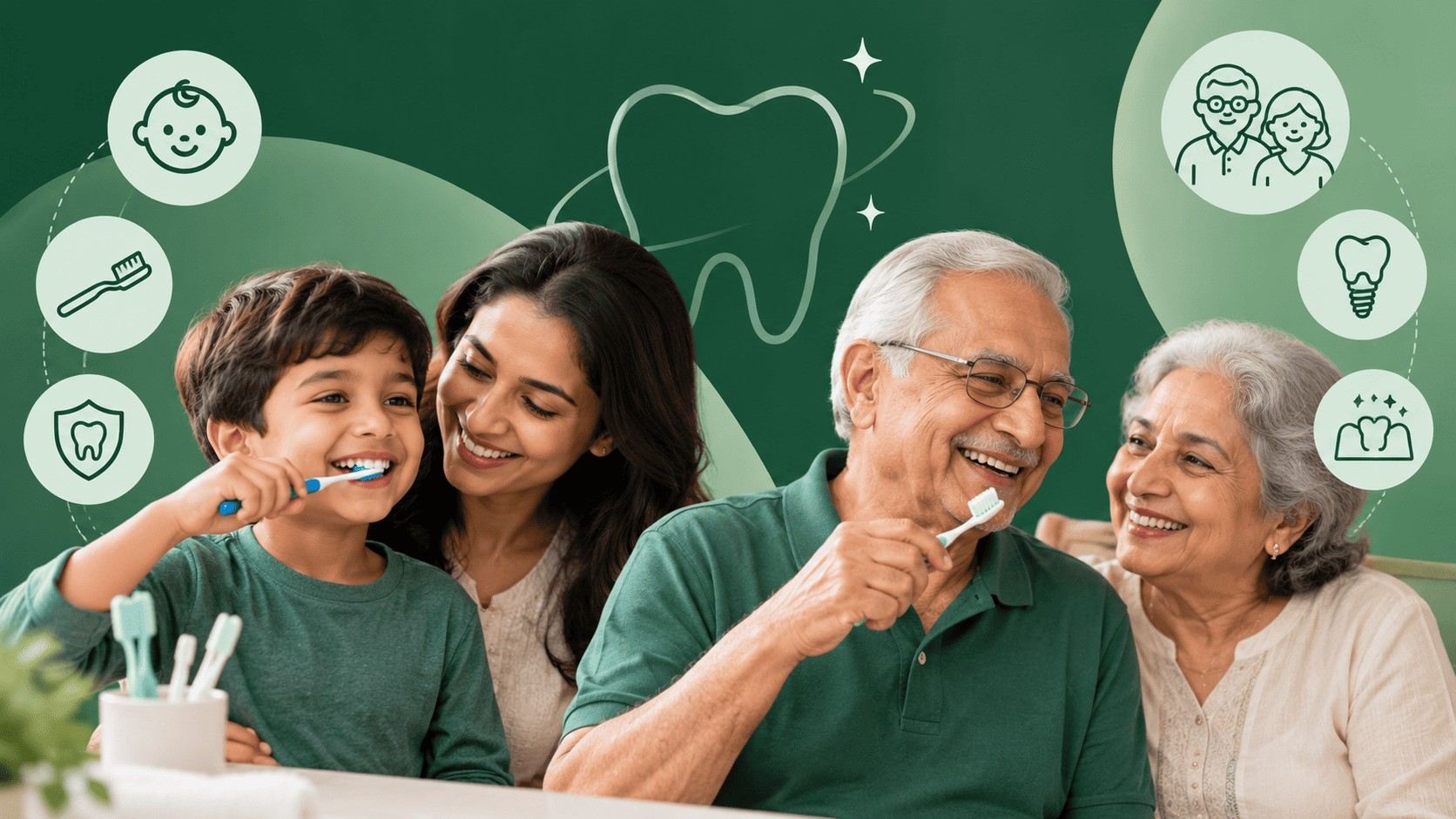
When it comes to family health, oral hygiene often requires a balancing act. The dental needs of a growing child are vastly different from those of an aging grandparent. For families managing the well-being of multiple generations, understanding these unique challenges is the first step toward a lifetime of healthy smiles.
Whether you are a parent guiding your toddler through their first brushing routine or an older adult navigating changes in your dental health, here are essential oral hygiene tips tailored for both ends of the age spectrum.
Dental Care Tips for Parents and Children
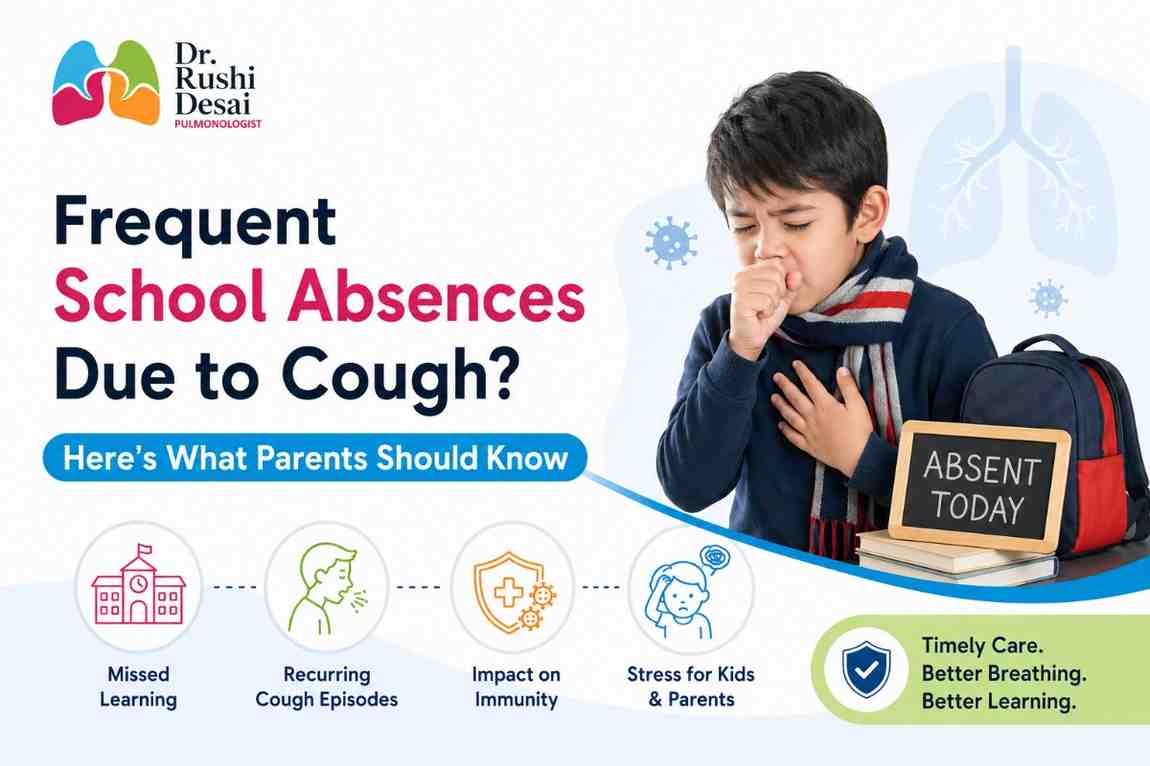
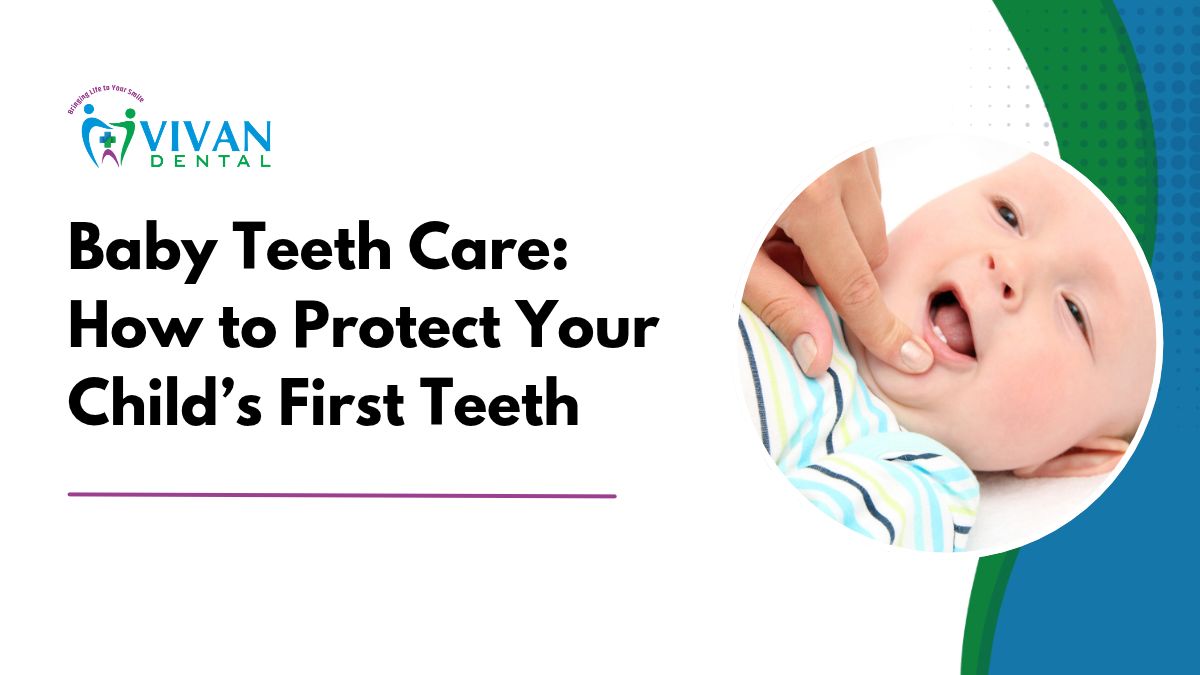
For parents, building a strong foundation for your child’s dental health starts early. Children are particularly prone to cavities, making proactive care crucial.
- Supervise Brushing: Children often lack the motor skills to brush effectively until they are about 7 or 8 years old. Parents should actively supervise and assist with brushing twice a day using a pea-sized amount of fluoride toothpaste.
- Watch for Orthodontic Clues: Pay attention to how your child breathes and closes their mouth. If they struggle to keep their lips closed or have a "bumpy chin" when trying to do so, it might be an early sign of jaw or bite misalignment that a dentist should evaluate.
- Limit Sugary Snacks: Limit frequent snacking on sticky, sugary foods. Encourage water over sugary juices, especially before bedtime, to prevent plaque buildup and "bottle tooth decay."
- Make it Fun: Use musical toothbrushes, reward charts, or brushing apps to turn a boring chore into an engaging daily habit.Oral Health Strategies for Elderly Patients
As we age, the mouth undergoes natural changes. Elderly patients face unique dental hurdles that require special attention, even if they have had perfect teeth their whole lives.
- Combat Dry Mouth: Many prescription medications cause dry mouth (xerostomia). Saliva is essential for washing away food particles and neutralizing acids. Seniors should stay hydrated, chew sugar-free gum, or use artificial saliva products to keep their mouths moist and protect against rapid tooth decay.
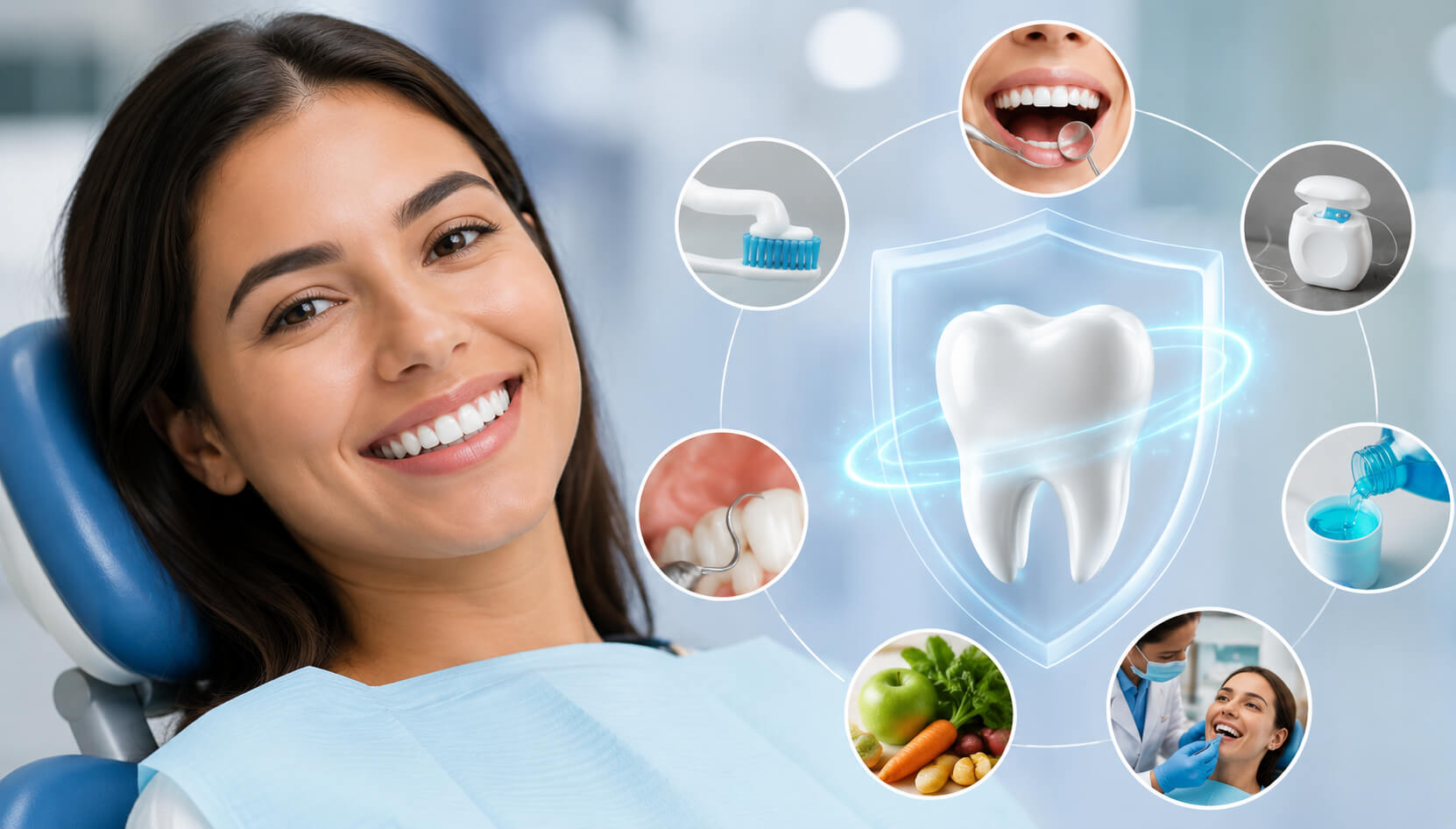
- Prioritize Gum Health: Gum disease (periodontitis) becomes more common with age and is closely linked to systemic issues like heart disease and diabetes. Gentle, thorough brushing with a soft-bristled brush and daily flossing are critical to keeping gums healthy.
- Care for Dentures Properly: If you wear dentures or partials, they need just as much care as natural teeth. Remove and rinse them after meals, brush them daily with a non-abrasive cleaner, and soak them overnight to maintain their shape and hygiene.
The Importance of a Trusted Family Dentist
While excellent home care is the foundation of oral health, routine professional checkups are non-negotiable for both children and seniors. A dentist can spot early signs of cavities in kids and monitor seniors for issues like oral cancer or failing dental work.
When managing the dental health of your entire family, finding a reliable, multi-generational clinic is highly recommended. For those in Uttar Pradesh,
Final Thoughts
Good oral hygiene is a lifelong commitment. By tailoring your approach, focusing on cavity prevention and habit-building for children, and prioritizing gum health and moisture for seniors, you can protect your family's smiles for years to come. Don't wait for a toothache to strike; schedule your family's routine checkups today.
Secure Your Family’s Dental Future Today
Don't leave your family's oral health to chance or wait until a minor discomfort turns into a costly dental emergency. Good oral hygiene is a lifelong commitment, but you do not have to manage it entirely on your own. Whether you need a gentle first checkup to set your toddler at ease and build their confidence in the dentist's chair, or specialized periodontal and restorative care for an aging parent, professional guidance is just a call away.