Organic Soap: A Natural Choice for Healthier Skin and a Greener Lifestyle
-
- March 25th, 2026
- 7,681 views
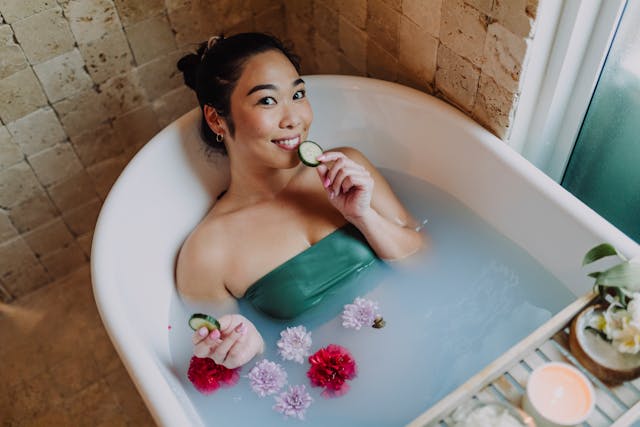
More people are paying attention to what they put on their skin. As interest in natural and organic products grows, organic soap has become a popular alternative to conventional soap. Unlike many mass-produced soaps, organic soap is made with natural ingredients that are gentle on the skin and kinder to the environment.
If you struggle with dryness, irritation, or simply want to make more eco-conscious choices, switching to organic soap can be a simple but meaningful step. In this article, we’ll look at what organic soap is, how it is made, its main benefits, and why so many people are choosing it.
What Is Organic Soap?
Organic soap is soap made mainly from naturally derived, organically grown ingredients. These ingredients are produced without synthetic pesticides, artificial fertilisers, or other harsh chemicals. Organic soap often contains natural oils, plant extracts, essential oils, and herbs.
Unlike many commercial soaps, which may include detergents, artificial fragrances, and preservatives, organic soap focuses on clean, simple ingredients that help cleanse and care for the skin.
Common ingredients in organic soap include:
- Coconut oil
- Olive oil
- Shea butter
- Cocoa butter
- Essential oils
- Herbal extracts
- Natural clays
- Plant-based colourants
These ingredients do more than clean the skin. They can also help moisturise, soothe, and nourish it.
How Organic Soap Is Made
Most organic soaps are made using traditional methods, especially the cold process method. This approach helps preserve the natural qualities of the ingredients and creates a mild, skin-friendly soap.
The basic process usually includes:
1. Mixing natural oils
Oils such as coconut oil, olive oil, and palm oil are blended to form the base of the soap.
2. Adding a lye solution
Lye, or sodium hydroxide, is mixed with water and then combined with the oils. This starts a chemical reaction called saponification, which turns the oils into soap.
3. Adding natural ingredients
Essential oils, herbs, natural colourants, and moisturising ingredients such as shea butter are added to improve the soap’s scent, texture, and skincare benefits.
4. Moulding and curing
The soap mixture is poured into moulds and left to cure for several weeks. This allows it to harden and become gentler on the skin.
Although lye is used during production, it is fully transformed during saponification. The final soap bar does not contain active lye and is safe to use.
Benefits of Using Organic Soap
1. Gentle on the skin
One of the biggest benefits of organic soap is that it is usually much gentler than commercial soap. Many standard soaps contain strong detergents that strip away the skin’s natural oils. Organic soaps are typically made with nourishing oils that help the skin retain moisture.
This makes them a good choice for people with:
- Sensitive skin
- Dry skin
- Eczema-prone skin
- Allergies to synthetic ingredients
2. Free from harsh chemicals
Many commercial soaps contain ingredients such as:
- Parabens
- Sulphates
- Artificial fragrances
- Synthetic dyes
- Petroleum-based compounds
Organic soaps avoid many of these additives and rely instead on natural ingredients. This can reduce the risk of irritation and limit repeated exposure to potentially harmful substances.
3. Naturally moisturising
Organic soaps are often rich in natural oils and butters that help keep the skin soft and hydrated. Ingredients such as shea butter, coconut oil, and olive oil contain fatty acids and vitamins that support healthy skin.
Unlike some regular soaps that can leave the skin feeling dry or tight, organic soaps often leave it feeling smooth and nourished after washing.
4. Better for the environment
Organic soap is often a more environmentally friendly option. Many brands use sustainably sourced ingredients and eco-friendly packaging.
Because organic soaps are made with natural ingredients, they are usually biodegradable. That means they break down more easily and are less likely to pollute waterways or harm wildlife.
Organic farming methods can also help protect soil quality and reduce chemical pollution.
5. Natural aromatherapy benefits
Organic soaps often use essential oils rather than artificial fragrances. These oils provide natural scent and may also offer added wellbeing benefits.
Popular essential oils used in organic soap include:
- Lavender – calming and relaxing
- Tea tree – naturally antibacterial
- Peppermint – cooling and refreshing
- Eucalyptus – clean and invigorating
- Lemon – bright and uplifting
These natural scents can make a daily shower or bath feel more relaxing and enjoyable.
Popular Types of Organic Soap
Organic soap comes in a range of varieties to suit different skin needs.
1. Moisturising organic soap
These soaps often contain shea butter, almond oil, or cocoa butter to help hydrate the skin. They are ideal for dry or sensitive skin.
2. Exfoliating organic soap
These contain natural exfoliants such as oatmeal, coffee grounds, or sea salt. They help remove dead skin cells and leave skin feeling smoother.
3. Antibacterial organic soap
Some varieties include ingredients such as tea tree oil or activated charcoal, which help cleanse the skin and reduce bacteria.
4. Herbal organic soap
These soaps use ingredients such as calendula, chamomile, or aloe vera to soothe skin that feels irritated or inflamed.
Organic Soap vs Commercial Soap
Understanding the difference between organic and commercial soap can make choosing the right product easier.
Feature |
Organic Soap |
Commercial Soap |
|---|---|---|
Ingredients |
Natural and organic |
Often synthetic |
Moisturising |
Naturally moisturising |
Can be drying |
Fragrance |
Essential oils |
Artificial fragrance |
Environmental impact |
Usually eco-friendly |
May include pollutants |
Skin sensitivity |
Generally gentle |
May cause irritation |
Commercial soap may cost less upfront, but organic soap often offers better long-term benefits for both skin and environment.
How to Choose the Best Organic Soap
With so many products available, it helps to know what to look for.
Check the ingredient list
Look for soaps made with natural oils, plant extracts, and essential oils. Avoid products with synthetic additives, artificial fragrances, or unnecessary preservatives.
Look for organic certifications
Labels such as USDA Organic or other recognised certifications can help confirm that a product meets established organic standards.
Consider your skin type
Some ingredients work better for certain skin concerns:
- Dry skin: shea butter, olive oil
- Oily skin: tea tree oil, charcoal
- Sensitive skin: oatmeal, aloe vera
Choose handmade or small-batch soaps
Many organic soaps are handmade in small batches. These products often place more emphasis on ingredient quality and careful production.
Are Organic Soaps Worth the Price?
Organic soaps can cost more than conventional soaps, but many people feel the extra cost is worthwhile.
Reasons include:
- Higher-quality ingredients
- Better support for skin health
- More eco-friendly production
- Longer-lasting bars
Because organic soaps often contain fewer fillers and more nourishing oils, they can last longer than cheaper soaps, which may make them better value over time.
DIY Organic Soap: A Growing Trend
Making organic soap at home is becoming more popular. DIY soap-making allows people to choose every ingredient and tailor recipes to their own skin needs and scent preferences.
Homemade organic soap may include ingredients such as:
- Goat milk
- Honey
- Herbal infusions
- Essential oils
- Natural exfoliants
Soap-making does require care, especially when working with lye, but many people enjoy the creativity and sustainability of making their own products.
The Future of Organic Soap
As awareness of health, ingredient transparency, and sustainability continues to grow, demand for organic personal care products is likely to rise. Organic soap brands are responding with new formulas, better packaging, and more responsibly sourced ingredients.
Consumers are becoming more selective about the products they use, and organic soap offers a clear alternative to conventional options.
Conclusion
Organic soap, like the Blessed Soaps from Nature's Glory, is more than just a cleansing product. It reflects a healthier, more thoughtful approach to skincare and everyday living. By using natural ingredients, organic soaps can cleanse gently, moisturise effectively, and provide soothing scents without exposing the skin to unnecessary chemicals.
Whether you have sensitive skin, want to reduce your environmental impact, or simply prefer natural products, organic soap can be a worthwhile addition to your routine.
Switching to organic soap may seem like a small change, but it can have a positive effect on both your skin and the planet. Sometimes, the simplest ingredients really do make the biggest difference.