How to Choose an Original Gemstone: Quality, Certification, Price and Authenticity Guide
-

- September 21st, 2026
- 31 views
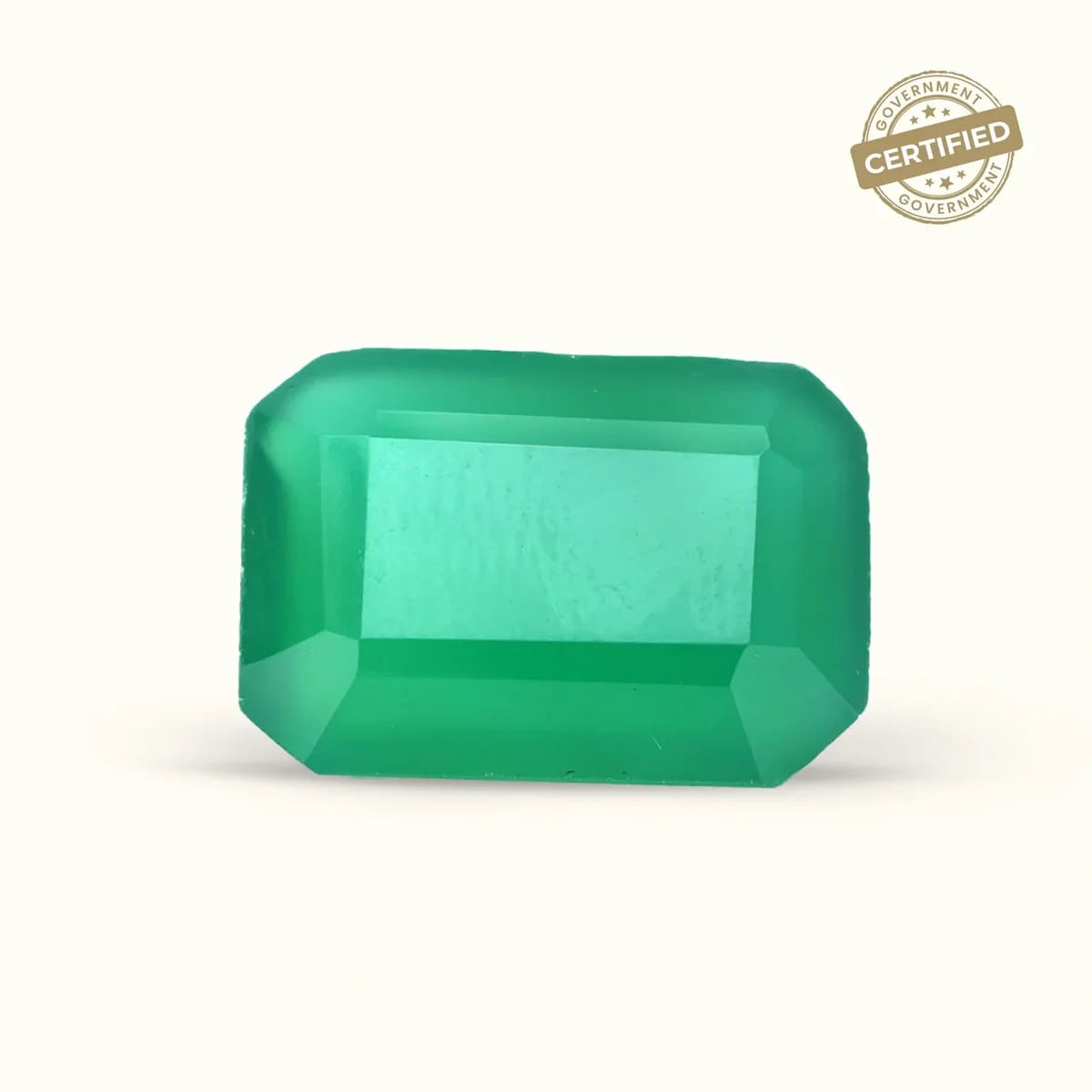
Choosing an original gemstone requires more than selecting an attractive color or comparing prices. Natural stones can vary significantly in quality, clarity, origin, treatment, size, and overall appearance. Buyers should understand these factors before making a purchase, especially when the stone is intended for jewellery or traditional astrological use.
Whether you are considering a precious or semi-precious stone, learning how authenticity is established can help you make a more informed decision. A proper evaluation should consider physical characteristics, laboratory certification, treatment disclosure, origin information, and pricing rather than relying on appearance alone.
Why gemstone authenticity matters
Authenticity matters because natural gemstones and synthetic, imitation, or heavily treated materials can look similar to an inexperienced buyer. A genuine stone should be assessed according to its mineral identity, natural characteristics, treatments, and other relevant gemological properties.
For example, an Emerald stone may contain inclusions that are naturally formed during its growth. These inclusions do not automatically indicate poor quality or fake material. Instead, they should be evaluated alongside color, transparency, cutting, and treatment information.
A reliable seller should provide clear product information and, where applicable, independent laboratory documentation. Buyers should avoid making a purchase solely because a stone is described as “rare,” “powerful,” or “100% original” without supporting evidence.
How to check gemstone color and clarity?
Color is one of the most noticeable characteristics when evaluating a gemstone. Depending on the variety, buyers generally examine hue, tone, saturation, uniformity, and visual appeal. Excessively dark, dull, uneven, or artificially enhanced color may affect how a stone is valued.
Clarity is equally important, although the acceptable level of inclusions differs between gemstone varieties. Some natural stones commonly contain internal features, while exceptionally clean specimens may command higher prices. A Pukhraj stone, for instance, can be evaluated for its yellow color, transparency, inclusions, cut, and overall appearance rather than color alone.
Why gemstone origin matters
Geographic origin can influence the desirability and market value of certain gemstones. Particular mining regions may be associated with distinctive colors, inclusions, or geological characteristics. However, origin should not automatically be treated as proof of authenticity or superior quality.
Laboratory origin reports can sometimes identify a probable geographic source when sufficient evidence is available. Buyers should distinguish between an independently determined origin and a seller's claim based only on marketing descriptions.
How to verify a gemstone certificate?
A gemstone certificate should provide enough information to connect the report with the actual stone being purchased. Check details such as the report number, gemstone variety, weight, measurements, color description, treatment information, and laboratory identification.
Buyers should also verify whether the issuing laboratory is identifiable and whether the report can be authenticated through its official verification system. The certificate should not be treated as a substitute for examining the stone itself; instead, it provides documented gemological information that supports the purchase.
Gemstone price: How quality affects the final cost
Price is influenced by several variables, including gemstone type, color, clarity, carat weight, cut, origin, treatment status, availability, and market demand. Two stones of the same variety and weight can therefore have very different prices because their quality characteristics are not identical.
A Ruby stone with desirable color, good transparency, attractive cutting, and limited treatment may command a substantially different price from a lower-quality or heavily treated specimen. Comparing prices without comparing these characteristics can lead to misleading conclusions.
Natural vs treated gemstones
Natural gemstones form through geological processes, while synthetic stones are created in laboratories and may have similar chemical or physical properties to natural materials. Treated gemstones, meanwhile, are natural stones that have undergone processes intended to improve characteristics such as color or clarity.
Treatment is not necessarily evidence that a gemstone is fake. However, buyers should know whether a stone has been treated because treatments can influence durability, appearance, value, and care requirements. A Neelam stone should therefore be purchased with clear information about its natural status and any disclosed treatment.
How to compare gemstones before buying?
Start by comparing stones using the same criteria. Look at color, clarity, transparency, cut, dimensions, weight, treatment, certification, and origin information where available. This creates a more meaningful comparison than simply choosing the stone with the lowest quoted price.
Buyers should also consider the intended use. A Garnet stone selected for everyday jewellery may be evaluated differently from a rare collector specimen. Similarly, durability, setting style, maintenance requirements, and personal preferences can affect which stone is appropriate.
Tips for buying certified gemstones online
When shopping online, carefully read the product description and look for clear information about gemstone type, weight, dimensions, treatment, origin claims, and certification. Product photographs are useful for initial evaluation, but images may not accurately reproduce a stone's exact color or transparency.
It is also useful to review the seller's return policy, certification details, packaging information, and customer support options before purchasing. Firoza stone and other gemstones should be bought from sellers who provide transparent product information instead of relying only on promotional claims.
For buyers looking for documented quality and authenticity, Gemstones Astrotalk provides gemstone options with certification and product information to support more informed purchasing decisions. Buyers should still review the individual stone's report and specifications before completing an order.
Ultimately, selecting a gemstone should involve several checks rather than a single visual or price-based decision. Understanding certification, natural characteristics, treatments, quality factors, and seller transparency makes it easier to distinguish between different stones and assess whether a purchase matches your expectations.
Gemstones Astrotalk can be considered as one option when comparing sellers, but buyers should independently review certification details, product specifications, return terms, and other relevant information before purchasing. A careful comparison is the most practical approach to finding a gemstone that meets your quality, authenticity, and budget requirements.
https://gemstones.astrotalk.store/products/pukhraj-stone