What Makes an Orthodontist Stand Out? A Rockville Patient's Checklist
-

- July 13th, 2026
- 3,455 views
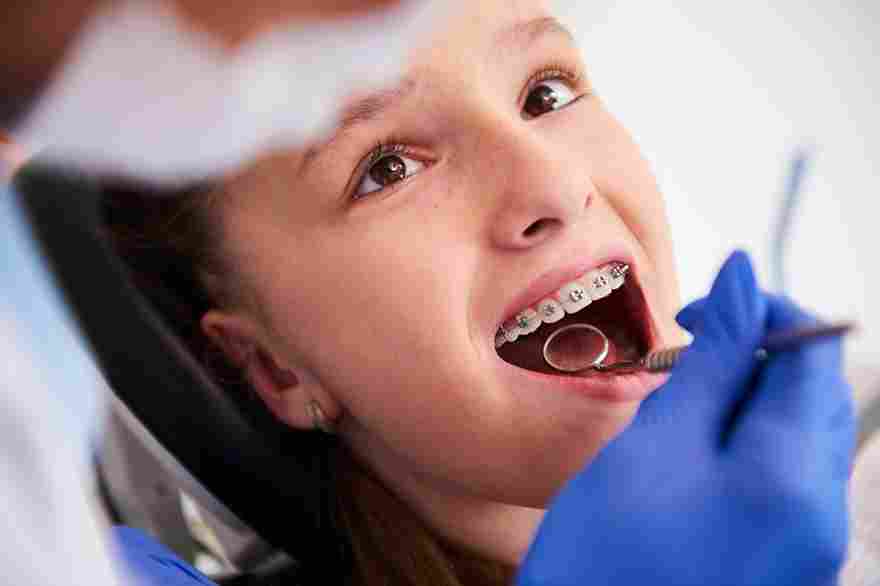
Choosing an orthodontist is an important decision for anyone considering braces, clear aligners, or other orthodontic treatments. Since treatment often lasts many months or even several years, selecting the right provider can make a significant difference in your overall experience.
While many orthodontists offer similar services, their approach to patient care, technology, communication, and treatment planning may vary. Therefore, knowing what to look for before beginning treatment can help you make an informed choice.
This patient checklist explains the qualities that often distinguish the Best Orthodontist in Rockville. Whether you are seeking care for yourself or a family member, these factors can guide your decision.
Why Choosing the Right Orthodontist Matters
Orthodontic treatment is about more than creating a straight smile. Proper tooth and jaw alignment can improve chewing, speaking, oral hygiene, and long-term dental health. Because treatment is personalized, choosing an orthodontist who understands your needs is essential.
Additionally, regular appointments are necessary throughout treatment. As a result, patients benefit from working with an orthodontist who communicates clearly, provides consistent care, and creates a comfortable treatment experience.
Taking time to compare providers now may help prevent frustration later.
1. Specialized Orthodontic Training
One of the first things to verify is professional education. Orthodontists complete additional years of specialized training after dental school. This advanced education focuses on diagnosing, preventing, and correcting problems related to tooth and jaw alignment.
Furthermore, continuing education helps orthodontists stay informed about new techniques, materials, and treatment methods. Choosing a provider with specialized training supports informed clinical decision-making and personalized care.
2. Experience Treating Different Age Groups
Orthodontic treatment is suitable for children, teenagers, and adults. However, each age group may have different needs and treatment goals.
For example:
- Children may benefit from early orthodontic evaluations.
- Teenagers often need braces or clear aligners.
- Adults may require treatment for long-standing bite concerns.
Therefore, ask whether the orthodontist regularly treats patients of all ages. Broad experience allows treatment plans to be tailored to individual situations.
3. A Thorough Initial Consultation
A detailed consultation is an important part of quality orthodontic care. Instead of recommending treatment immediately, the orthodontist should first complete a comprehensive evaluation.
During the consultation, patients can expect:
- A review of dental history
- An examination of teeth and jaw alignment
- Bite analysis
- Digital X-rays or scans if needed
- Discussion of treatment options
- Time for questions
A careful evaluation helps create an accurate treatment plan based on individual needs.
4. Modern Diagnostic Technology
Technology continues to improve orthodontic diagnosis and treatment planning. Although expertise remains the most important factor, modern equipment can enhance precision and patient comfort.
Many orthodontic offices use:
- Digital X-rays
- Intraoral scanners
- Three-dimensional imaging
- Digital treatment planning software
These tools provide detailed information about tooth position and jaw alignment, allowing for more personalized treatment recommendations.
5. Clear Communication Throughout Treatment
Good communication builds trust between patients and orthodontists. Before treatment begins, the orthodontist should explain each recommendation in language that is easy to understand.
Patients should feel comfortable asking questions about:
- Treatment options
- Expected results
- Estimated timelines
- Appointment schedules
- Home care instructions
- Possible challenges
Clear explanations help patients understand the purpose of treatment and encourage active participation throughout the process.
6. Personalized Treatment Plans
Every smile is different. Therefore, orthodontic treatment should never follow a one-size-fits-all approach.
The Best Orthodontist in Rockville considers several factors before recommending treatment, including:
- Age
- Tooth alignment
- Bite condition
- Jaw development
- Oral health
- Lifestyle preferences
Personalized planning helps ensure treatment addresses each patient's unique concerns rather than applying the same solution to everyone.
7. Multiple Treatment Options
Modern orthodontics offers several treatment choices depending on the patient's condition and goals.
Common options include:
- Traditional metal braces
- Ceramic braces
- Clear aligners
- Early interceptive treatment
- Retainers after active treatment
Understanding the advantages and limitations of each option helps patients choose the treatment that best fits their needs.
8. Positive Patient Reviews and Reputation
Patient reviews provide valuable insight into real treatment experiences. While one review should not determine your decision, consistent feedback can reveal important patterns.
Look for comments about:
- Friendly staff
- Appointment scheduling
- Professional communication
- Comfortable office environment
- Treatment outcomes
- Overall patient satisfaction
Additionally, ask friends, family members, or your general dentist if they have recommendations based on personal experience.
9. Convenient Scheduling and Office Accessibility
Orthodontic treatment involves regular follow-up appointments. Therefore, convenience should also be considered when choosing an orthodontist.
Helpful factors include:
- Office location
- Flexible appointment hours
- Parking availability
- Emergency appointment policies
- Efficient scheduling
Choosing an office that fits your daily routine makes it easier to stay consistent with treatment visits.
10. Transparent Costs and Financial Information
Before treatment begins, patients should understand all expected costs. A quality orthodontic consultation includes a clear explanation of fees and payment options.
Important questions include:
- What does the treatment fee include?
- Does insurance provide coverage?
- Are payment plans available?
- Are retainers included?
- Are emergency visits covered?
Understanding these details early helps families plan financially and avoid unexpected expenses.
Patient Checklist Before Choosing an Orthodontist
Use this checklist when comparing orthodontic providers:
✔ Specialized orthodontic education
✔ Experience with children, teens, and adults
✔ Comprehensive consultation
✔ Modern diagnostic technology
✔ Personalized treatment recommendations
✔ Multiple treatment options
✔ Clear communication
✔ Positive patient reviews
✔ Convenient office location
✔ Transparent costs and payment information
Completing this checklist can simplify your decision-making process and help you compare providers objectively.
Questions to Ask During Your Consultation
A consultation is an excellent opportunity to gather information before starting treatment.
Consider asking:
- What orthodontic treatment do you recommend?
- Why is this option appropriate for my condition?
- How long is treatment expected to last?
- How often will appointments be scheduled?
- What daily care is required?
- What happens if an emergency occurs?
- Will retainers be necessary after treatment?
These questions help patients understand both the treatment process and long-term expectations.
Common Mistakes to Avoid
Choosing an orthodontist based only on convenience or price may not always lead to the best outcome. Instead, evaluate the overall quality of care.
Avoid these common mistakes:
- Comparing only treatment costs
- Ignoring professional qualifications
- Skipping consultations
- Not reading patient reviews
- Forgetting to ask questions
- Overlooking office technology
- Choosing without understanding treatment options
Taking time to research thoroughly often leads to a more satisfying treatment experience.
Why Long-Term Care Is Important
Orthodontic care does not always end when braces or aligners come off. Retainers and follow-up appointments help maintain treatment results over time.
Additionally, long-term monitoring allows orthodontists to identify small changes before they become larger problems. Following recommended aftercare instructions plays an important role in preserving your smile.
Patients who remain committed to long-term care often enjoy more stable orthodontic outcomes.
Final Thoughts
Selecting the right orthodontist involves much more than comparing treatment options. Professional training, experience, communication, technology, patient reviews, and personalized care all contribute to a positive treatment experience.
Whether you are exploring braces for your child or considering orthodontic treatment as an adult, using a patient checklist can make the decision easier. Evaluating these important factors helps you identify the qualities commonly associated to visiting a Best Orthodontist in Rockville. By asking thoughtful questions and researching carefully, you can make informed decisions that support healthy teeth, proper bite alignment, and long-term oral health.