
What to Look for When Buying Orthopedic Shoes: A Practical Checklist
-
- Published Updated
- 64 views
Choosing the right footwear can feel overwhelming, especially when foot pain is involved. With so many options available, it helps to know what matters. This practical checklist walks you through the key features to look for, so you can shop confidently and find shoes your feet will thank you for.
Why the Right Support Makes Such a Difference
Orthopedic shoes are designed to support the foot’s structure, improve alignment and reduce pressure on sore areas. Unlike fashion footwear, they prioritise function and lasting comfort throughout the whole day.
Knowing what to check before you buy saves money and prevents disappointment. A few simple features separate genuinely supportive shoes from those that merely look the part. Let’s look at each one.
Firm and Supportive Arch
A good arch support should match the natural curve of your foot without feeling harsh or intrusive. It helps distribute weight evenly, easing strain on the arch, heel and forefoot when walking.
Press the arch with your thumb; it should feel firm but slightly flexible, not rock hard or squishy. If the arch feels flat or collapses easily, the shoe won’t provide lasting support.
Deep, Cushioned Heel Cup
The best orthopedic shoes include a deep heel cup that cradles the heel and keeps the natural fat pad in place. This improves stability and absorbs shock with every step you take.
A well-designed heel cup is especially helpful for heel pain and plantar fasciitis. Look for a snug but comfortable fit that holds your heel securely without pinching or rubbing when walking.
Firm, Well-Structured Heel Counter
The heel counter is the stiff section wrapping around the back of the shoe. Squeeze it firmly; a sturdy counter resists bending and helps control excess heel movement as you walk.
Controlling heel motion improves alignment through your ankles, knees and hips. A weak, collapsible counter allows the foot to roll inward or outward, increasing strain and fatigue over the long term.
Stable, Shock-Absorbing Midsole
The midsole sits between the footbed and the outsole, providing cushioning and stability. Good midsoles absorb impact while remaining firm enough to stop your foot from sinking or twisting underfoot.
Gently wring the shoe. It should resist twisting through the middle and bend only at the forefoot. Overly soft midsoles feel comfortable initially but often lack long-term support.
Enough Room for Your Toes to Spread
Your toes need space to spread naturally as you walk. Choose a roomy toe box, with about a thumb’s width between your longest toe and the front of the shoe.
Cramped toes can contribute to bunions, corns and nerve irritation. Try shoes on in the afternoon, when feet are naturally larger, and wear the socks you normally use every day.
Flexibility in All the Right Places
A supportive shoe should flex at the ball of the foot, where your toes naturally bend. Bending anywhere else suggests poor structure and reduces the support your foot receives.
Test this by holding the heel and pressing the toe upwards. Proper flexibility allows natural walking motion, while a rigid forefoot can make each step feel stiff and tiring.
Quality, Breathable Materials and a Secure Fit
Breathable, lightweight materials keep feet cool and reduce moisture build-up. Adjustable straps, laces or fasteners let you customise the fit, which is helpful if your feet swell during the day.
Walk around the store for several minutes before deciding. The shoe should feel comfortable immediately, with no slipping, pinching or pressure points. Don’t rely on breaking them in later.
Choose Supportive Shoes Your Feet Will Love
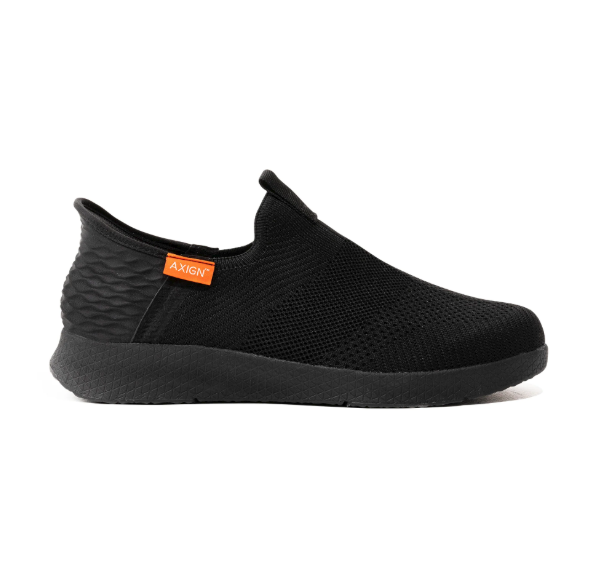
Finding the right shoes comes down to support, structure and fit. Check the arch, heel cup, heel counter, midsole, toe room, flexibility and materials before you buy. Take your time and try several pairs. Brands such as Axign Medical Footwear reflect the growing focus on function-led design. If you have ongoing pain or a diagnosed condition, speak with a podiatrist, who can recommend the most suitable features for your feet.
Frequently Asked Questions
How often should I replace supportive shoes?
Most last six to twelve months with regular wear. Replace sooner if cushioning flattens, soles wear unevenly or discomfort returns.
Do I need a prescription to buy orthopedic shoes?
No. Many supportive styles need no prescription, though a podiatrist can advise whether custom orthotics would suit more complex problems.
Should supportive shoes feel tight at first?
No. They should feel comfortable immediately, though a short adjustment period to the new support is normal. Wear them gradually.
What is the best time of day to try on shoes?
Try them on in the afternoon or evening, when feet are slightly swollen, so you get a realistic, comfortable fit.
Can supportive shoes help with plantar fasciitis?
They can ease symptoms by supporting the arch and cushioning the heel. See a podiatrist if pain continues for weeks.