Small Warehouse, Big Storage: Making Pallet Racking Work
-

- Published Updated
- 62 views
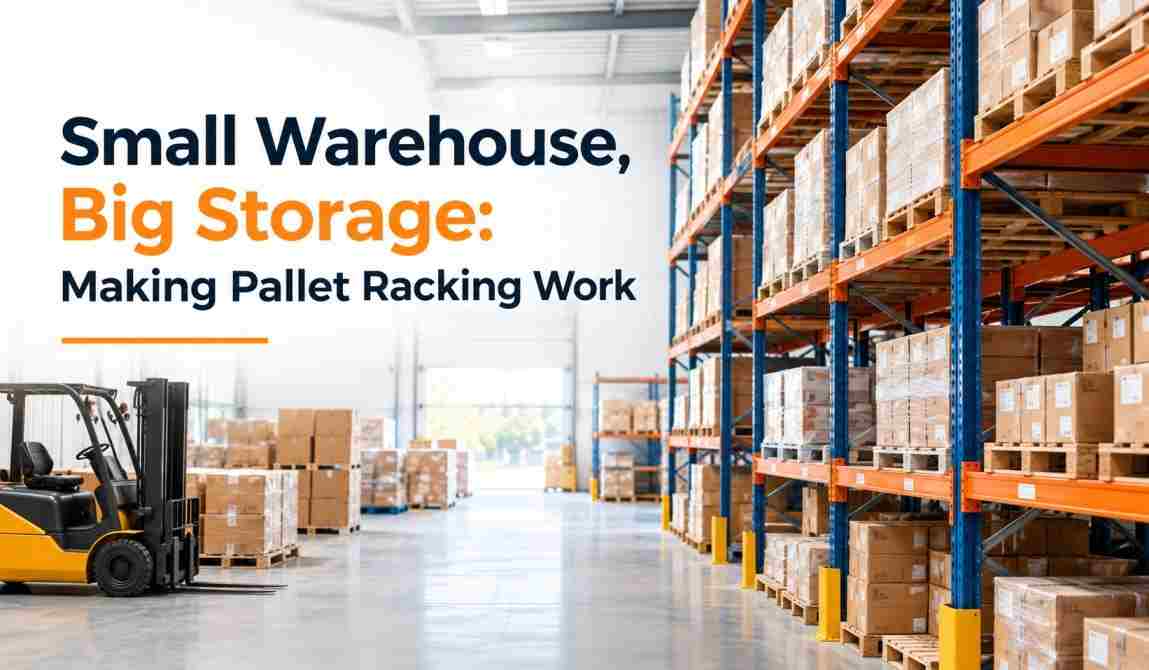
Running a small warehouse often means making the most of every available metre. Limited floor space can quickly become a challenge when stock levels increase, products need to remain accessible, and daily warehouse operations need to run smoothly. Gold Coast Racking provides practical storage solutions designed to help businesses make better use of their warehouse space while maintaining an efficient and organised working environment. With the right pallet racking system and a well-planned layout, even a smaller warehouse can provide significantly more usable storage capacity.
Why Pallet Racking Works Well in Small Warehouses
Pallet racking is a practical storage solution for warehouses where floor space is limited. Instead of relying only on floor-level storage, pallet racking allows businesses to use the vertical space within the building. This creates additional storage levels without requiring a larger warehouse footprint.
For small businesses, this can make a considerable difference. Stock can be stored vertically while maintaining clear access to products at different levels. A properly planned system can also help reduce clutter, improve stock visibility and create clearer movement areas around the warehouse.
Understanding the available options is an important first step. Exploring the different types of pallet racking can help warehouse operators identify a system that suits their stock, available space and operational requirements.
Make Better Use of Vertical Warehouse Space
One of the biggest advantages of pallet racking in a small warehouse is the ability to make better use of vertical space. Many warehouses have considerable unused space above existing storage areas. Rather than allowing this space to remain unused, suitable racking can create additional storage levels.
The available ceiling height, forklift requirements, pallet dimensions and access requirements should all be considered before increasing storage vertically. The objective is not simply to install the tallest possible racking. The system needs to work safely and practically within the warehouse.
Vertical storage can also help free valuable floor space. Once pallets are moved from floor-level storage into a properly designed racking system, more room can become available for work areas, access paths and other operational requirements.
Choosing the Right Pallet Racking System
Not every small warehouse has the same storage requirements. The right system depends on factors such as the type of products being stored, pallet dimensions, stock turnover, available floor area and how frequently products need to be accessed.
A warehouse storing a wide variety of products may require a different approach from one handling large quantities of similar stock. Accessibility can also influence the choice of system, particularly when forklifts need to access individual pallets regularly.
Before making a decision, it is useful to understand how to find the right pallet racking system for your warehouse. A suitable system should balance storage capacity with accessibility, safety and everyday workflow.
Plan the Layout Before Installing Racking
Good pallet racking starts with good planning. In a small warehouse, every aisle, corner and access point matters, so the layout should be considered before the racking is installed.
Warehouse dimensions, doorways, columns, emergency access areas and existing equipment all need to be taken into account. The location of receiving and dispatch areas should also be considered because these areas can affect how stock moves through the warehouse.
A poorly planned layout may create unnecessary travel distances or make important areas difficult to access. Reviewing practical approaches to how to fix a poor warehouse layout can help businesses identify ways to improve the movement of people, forklifts and stock.
The aim should be to create a layout where storage capacity and accessibility work together rather than competing for space.
Keep Aisles Practical and Accessible
It can be tempting to reduce aisle space as much as possible when working with a small warehouse. However, aisles need to provide enough room for the equipment and activities taking place within the facility.
Forklift movement, pallet handling and pedestrian access should all be considered during the design stage. An aisle that is too narrow may slow down operations and create unnecessary safety concerns.
The most efficient warehouse is not necessarily the one that contains the greatest amount of racking. It is the one where available space is used effectively without making everyday operations difficult.
Improve Stock Visibility and Access
A small warehouse can become difficult to manage when products are stored without a consistent system. Pallets placed randomly on the floor may make it harder to identify stock and can increase the time required to find specific products.
Pallet racking creates defined storage positions, making it easier to establish a consistent approach to stock placement. Products can be assigned to particular bays or levels based on their type, movement frequency or handling requirements.
This can also support better stock control. When every product has a clear storage location, employees can spend less time searching for inventory and more time completing warehouse tasks.
For businesses looking to improve storage capacity while keeping products accessible, pallet racking for warehouse storage can provide useful guidance on using racking effectively.
Maximise Limited Floor Space
Small warehouses require careful decisions about how floor space is used. Storage areas, workspaces, loading zones and access routes all compete for the same limited area.
Pallet racking can help shift storage upwards rather than allowing stock to spread across the floor. This can create a more structured environment and leave more usable floor space for operational activities.
However, maximising space should not mean filling every available area with racking. There needs to be enough room for safe movement, handling and access. A balanced layout can provide strong storage capacity without making the warehouse feel overcrowded.
Businesses can also explore practical ideas for maximising warehouse space with pallet racking when planning a more efficient storage environment.
Consider Future Storage Requirements
Warehouse requirements can change as a business grows. A small operation may start with relatively modest inventory levels but gradually require additional storage as sales and product ranges increase.
When planning pallet racking, it can be useful to consider future requirements rather than focusing only on current stock levels. A flexible layout may make it easier to expand storage or modify the system as operational needs change.
Planning ahead can also reduce the risk of needing to completely redesign the warehouse after a short period. The right approach should provide useful storage today while allowing room for future development.
Installation Matters
The performance of a pallet racking system depends not only on the design but also on how it is installed. Racking needs to be correctly positioned, assembled and secured according to the system requirements.
Before installation begins, the warehouse floor, layout, access requirements and surrounding areas should be assessed. The installation process should also account for the intended use of the system and the equipment operating around it.
Businesses planning a new system can review this pallet racking installation guide to better understand the key considerations involved in setting up warehouse racking.
Safety Should Remain a Priority
Storage efficiency should never come at the expense of warehouse safety. Pallet racking needs to be suitable for the products being stored and the way the warehouse operates.
Regular inspections can help identify visible damage, changes to the racking structure or other issues that may require attention. Forklift traffic should also be managed carefully around storage areas to reduce the risk of accidental impacts.
Employees should understand how products are stored and how pallets should be placed and removed from the racking system. Clear procedures can help maintain a safer and more consistent working environment.
Think About the Total Cost
For a small business, storage decisions are often influenced by budget. The cost of pallet racking can vary depending on the system, dimensions, configuration, installation requirements and other factors.
Looking only at the initial purchase price may not provide a complete picture. A storage system should also be considered in terms of how effectively it uses available space and how well it supports daily warehouse operations.
A suitable system may help a business delay the need for additional warehouse space by increasing usable storage capacity within the existing building. Businesses can review a pallet racking buying guide when comparing the factors that should be considered before purchasing a system.
Keep the Warehouse Easy to Adapt
Small warehouses often need to remain flexible. Stock levels can change, product ranges can expand and operational requirements can develop over time.
A flexible pallet racking layout can make it easier to adjust storage positions when requirements change. Adjustable levels and a well-planned bay arrangement can provide greater versatility than a storage setup designed around one fixed requirement.
This flexibility can be particularly useful for growing businesses that do not yet know exactly how their storage needs will develop over the coming years.
When Should a Small Warehouse Consider Pallet Racking?
There are several signs that a warehouse may benefit from moving towards a more structured pallet racking system. Stock may begin taking up too much floor space, access to products may become difficult, or employees may spend increasing amounts of time searching for inventory.
Another common sign is when a business starts using temporary storage areas simply because its existing storage arrangement cannot handle the current volume of stock.
Rather than immediately looking for a larger facility, it may be worth reviewing whether the existing warehouse can be used more efficiently. In some situations, better vertical storage and improved layout planning can create considerably more usable capacity.
Final Thoughts
A small warehouse does not necessarily mean limited storage potential. With careful planning, the right pallet racking system can help businesses make better use of vertical space, improve stock access and create a more practical working environment.
The key is to look beyond simply adding more racking. Warehouse dimensions, product requirements, forklift access, aisle space, safety and future growth all need to work together. When these factors are considered from the beginning, pallet racking can turn a restricted warehouse into a more efficient and productive storage space.
For businesses looking at practical warehouse storage solutions, Gold Coast Racking offers pallet racking and storage solutions designed around different warehouse requirements.
Frequently Asked Questions
Can pallet racking work in a small warehouse?
Yes. Pallet racking can be particularly useful in small warehouses because it allows storage to be developed vertically instead of relying entirely on floor space. The system should be planned around the warehouse dimensions, stock requirements and access needs.
How can pallet racking save warehouse space?
Pallet racking creates multiple storage levels, allowing pallets to be stored vertically. This can reduce the amount of floor area occupied by stock and leave more room for access and operational activities.
What should I consider before installing pallet racking?
Important considerations include warehouse dimensions, ceiling height, pallet dimensions, stock type, access requirements, forklift movement, aisle space, safety and future storage needs.
Is pallet racking suitable for a growing business?
Pallet racking can provide a flexible storage solution for businesses that expect their inventory requirements to increase. A properly planned system can make better use of existing warehouse space while allowing storage arrangements to be adapted as needs change.
How important is warehouse layout when using pallet racking?
Warehouse layout is very important. A good layout should provide efficient stock access while allowing people and handling equipment to move safely around the facility. The available space should be planned before installing the racking system.