Pangarchulla Peak Trek: How Snow Can Change the Way You Climb
-
- Published Updated
- 1,547 views

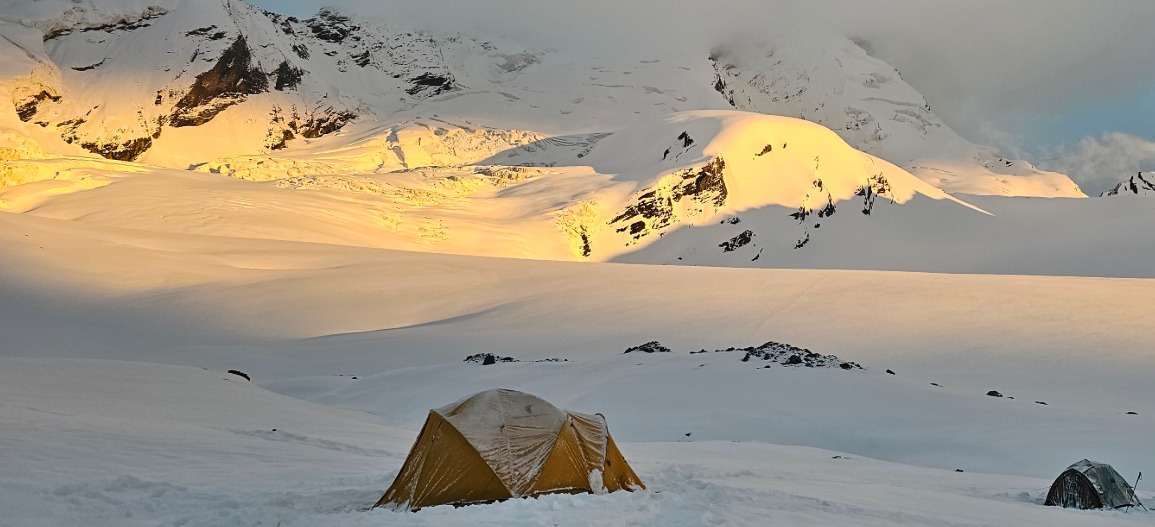
Snow can completely change the experience of a high-altitude trek. On the Pangarchulla Peak Trek, the same mountain trail can feel very different depending on how much snow has fallen, how firmly it has settled, and how the weather behaves. For trekkers, this means that climbing Pangarchulla is not simply about physical fitness. It also requires adapting your walking technique, pace, equipment, and expectations to winter conditions.
Snow Changes the Trail
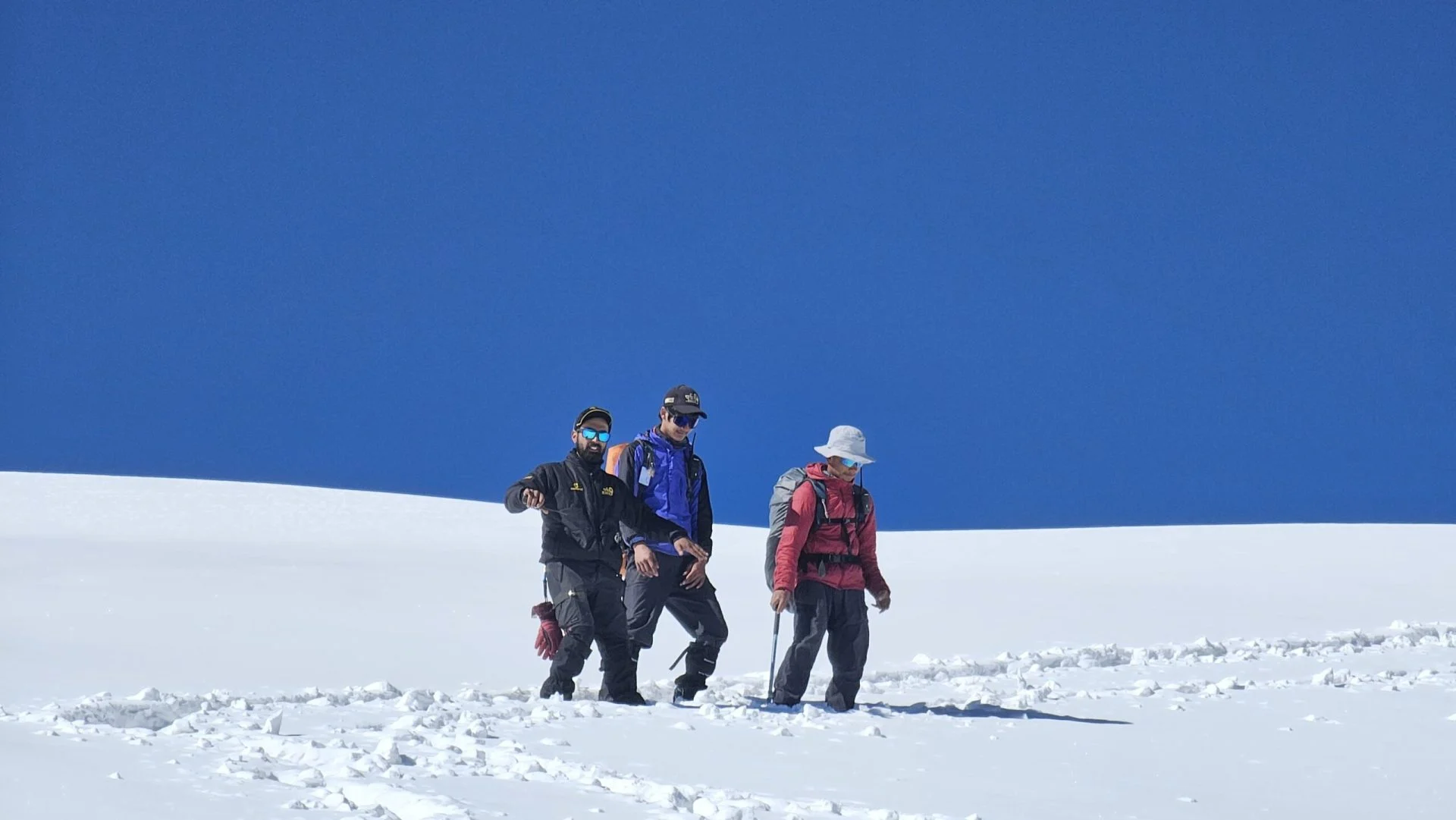
On a dry trail, your feet usually have a clear and stable surface. Snow removes that predictability. Fresh snow can be soft and deep, causing your feet to sink with every step. Older snow may become compact and firm, while freezing temperatures can create icy patches.
This changes the amount of effort required for each step. A short section that looks easy from a distance may take considerably longer when you are walking through snow.
Your Walking Technique Matters
Snow encourages trekkers to slow down and become more deliberate with every step. Instead of taking long strides, shorter steps can help maintain balance and reduce unnecessary energy expenditure.
On steeper sections, placing your feet carefully becomes particularly important. You may need to follow the existing footprints rather than creating a completely new path. If the snow surface is hard or slippery, maintaining three points of contact with trekking poles and your feet can provide additional stability.
The descent also deserves attention. Going downhill on snow can be more difficult than climbing because your body naturally moves forward, increasing the risk of slipping.
Snow Can Make the Summit Approach More Demanding
Pangarchulla Peak is known for its steep summit section, and snow can make this part of the trek considerably more technical. A slope that would normally provide firm footing can become slippery or covered with loose snow.
The combination of steep terrain, altitude and cold weather means that your pace may become slower as you approach the summit. Trying to maintain the same speed you use on lower sections can lead to unnecessary fatigue.
A steady rhythm is generally more useful than rushing. Follow the instructions of your trek leader, particularly when the route or snow conditions become challenging.
The Right Equipment Becomes More Important
Snow conditions can determine what equipment you need. Good trekking shoes with adequate grip are essential, while gaiters can help prevent snow from entering your footwear.
Depending on trail conditions, traction equipment such as microspikes or crampons may also be required. These should be used only when appropriate and with proper guidance.
Trekking poles are particularly useful on snowy trails because they can help with balance while crossing uneven or slippery ground.
Your clothing also needs to protect you from cold and moisture. A layering system allows you to adjust your clothing while climbing because your body can become warm during movement but cool rapidly when you stop.
Visibility Can Change Quickly
Snow is not the only factor that affects the climb. Winter weather in the mountains can change rapidly. Fresh snowfall, strong winds, fog and cloud cover can reduce visibility and make route navigation more difficult.
When visibility decreases, following a marked route or experienced guide becomes especially important. A familiar trail can look completely different after snowfall, so trekkers should avoid wandering away from the established route simply to find a quicker or more attractive path.
Snow Also Affects Your Energy Levels
Walking through snow requires more effort than walking on a firm, dry trail. Every time your foot sinks into soft snow, your leg muscles have to work harder to move forward.
This is one reason why nutrition and hydration should not be overlooked. Carry sufficient water and take regular meals or snacks according to your trek plan. Cold weather can also reduce the feeling of thirst, but your body still needs fluids.
Instead of waiting until you feel exhausted, maintain a manageable pace from the beginning.
Preparation Before the Trek
Physical preparation should include activities that build endurance and leg strength. Long walks, stair climbing, uphill walking and exercises such as squats and lunges can help prepare your legs for sustained climbing.
It is also useful to practise walking with the backpack and footwear you expect to use on the trek. This gives you an opportunity to identify discomfort before reaching the mountain.
If you have never walked on snow before, remember that technique and confidence develop with practice. Do not assume that good fitness alone will make snow walking easy.
Respect the Mountain Conditions
One of the most important lessons on a snowy trek is that conditions can change faster than your plans. A summit attempt may need to be delayed or stopped if snowfall, wind, visibility or trail conditions become unsafe.
Reaching the summit is only one part of the experience. Returning safely is equally important.
For first-time winter trekkers, Pangarchulla can therefore be a valuable lesson in adapting to the environment. Snow changes how you walk, how much energy you use, what equipment you need and how quickly you can progress.
The key is not to fight the snow but to adjust to it. With suitable preparation, appropriate equipment and guidance from experienced trek leaders, you can approach the Pangarchulla Peak Trek with a better understanding of what winter climbing actually demands.