Pest Control Services in Aundh: Compare Treatments, Costs & IPM Checklist
-

- February 24th, 2026
- 1,104 views

FREE SEO Topical Map Generator: Find Your Next Content Ideas
Pest control services in Aundh: a practical local guide
Finding reliable pest control services in Aundh starts with understanding treatment types, safety practices, and how costs are calculated. This guide explains when to hire a professional, how treatments differ (termites, rodents, cockroaches, mosquitoes), and a simple framework to evaluate providers.
Detected intent: Commercial Investigation
Primary focus: Compare local pest control options, treatment methods, safety, and pricing. Use the PEST-STOP checklist to evaluate providers and a short scenario to see how treatments are chosen.
Core cluster questions: See list below for related article ideas and internal linking targets.
Pest control services in Aundh: what professional providers do
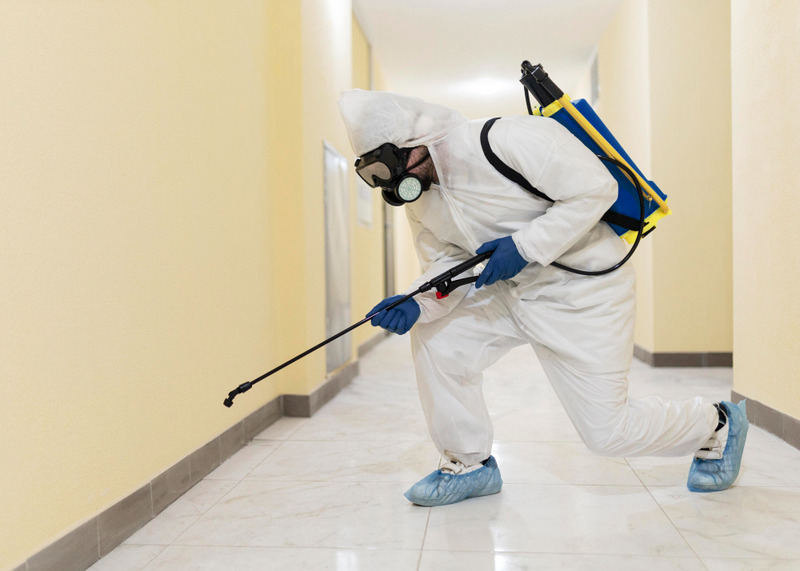
Professional pest control services in Aundh offer inspection, targeted treatment, prevention, and follow-up. Typical services include termite treatment, rodent control, cockroach and ant management, mosquito source reduction, and occasional fumigation for heavy infestations. Treatments use a combination of chemical controls, baits, traps, exclusion work (sealing entry points), and sanitation recommendations rooted in integrated pest management (IPM).
How to compare treatments and costs
Pricing depends on infestation type, property size, access difficulty, and whether a single visit or ongoing contract is needed. Common options include one-time spot treatments, quarterly maintenance plans, and guaranteed annual termite protection. Commercial properties generally require customized contracts and monitoring.
Treatment categories and trade-offs
- Chemical spray treatments — fast knockdown for insects but require occupant precautions and potential reapplication.
- Baiting systems — effective for cockroaches and rodents with lower surface pesticide exposure; slower to work but more targeted.
- Termite barriers and soil treatments — preventative and curative; more costly but essential for structural protection.
- Exclusion and sanitation — non-chemical, prevents re-infestation but needs homeowner follow-through.
Common mistakes when hiring
- Choosing the cheapest provider without verifying license, insurance, or warranty.
- Accepting a single treatment approach for complex infestations (e.g., termites plus rodents).
- Not checking safety measures for children, pets, and stored food areas.
PEST-STOP checklist: a decision framework for hiring
Use the PEST-STOP checklist to evaluate any local provider:
- Problem identification — Is the pest correctly identified and documented?
- Evidence of infestation — Are photos or inspection reports provided?
- Solutions proposed — Does the plan include IPM: chemical, mechanical, exclusion, sanitation?
- Timeframe & follow-up — Are next visits, guarantees, and monitoring schedules clear?
- Safety protocols — PPE, occupant clearance times, and food protection stated?
- Training & licensing — Are technicians certified and insured?
- Options & transparency — Is a written estimate and treatment label information provided?
- Price vs value — Is warranty, scope, and post-treatment support included?
Short real-world scenario
Scenario: A 2BHK apartment in Aundh finds mud tubes along the external foundation and small droppings under the kitchen sink. Inspection confirms termites and rodent activity. The recommended plan includes a localized soil termiticide barrier and bait stations in the kitchen, plus sealing gaps around plumbing. A reputable provider schedules the barrier treatment first, installs interior baiting, and returns after 30 days to reassess and record bait consumption. Homeowner receives a written warranty for termite retreatment if activity resumes.
Practical tips for homeowners in Aundh
- Request a written inspection report with photos and an itemized quote before any work begins.
- Prefer providers who explain integrated pest management (IPM) and reduce chemical use where possible.
- Verify licenses, insurance, and any local municipal approvals for fumigation or heavy pesticide use.
- Prepare the site: clear clutter, store food in sealed containers, and follow the technician’s pre-treatment checklist.
For factual guidance on vector control and safe pesticide use, refer to the World Health Organization guidance on vector ecology and management: WHO - Vector Ecology and Management.
Common mistakes and trade-offs
Trade-offs include immediate knockdown versus long-term control. Intensive spraying may remove visible pests quickly but fail to address nesting sites or entry points; baiting and exclusion can take longer but often reduce the need for repeat chemical treatments. Avoid providers who promise one-visit eradication for established infestations like termites or chronic rodent problems.
Core cluster questions (use for related articles or internal links)
- How much does termite treatment cost in Aundh?
- What steps are included in a residential pest control inspection?
- When is fumigation necessary for apartments?
- How to proof a home against rodents after treatment?
- What are safe alternatives to chemical pest control?
Choosing and evaluating local providers
Ask for references and reviews from nearby customers, confirm warranty terms (30/90-day follow-ups are common), and get a clear list of what is included. For multi-unit buildings, consider a provider experienced with apartment complexes and local municipal regulations.
FAQ: Do pest control services in Aundh cover pre-construction termite prevention?
Many providers offer pre-construction termite barriers and soil treatment packages. Confirm that the plan follows local building codes and provides a written warranty covering future construction-related disturbances.
FAQ: How long until pests return after treatment?
Return time varies by pest and treatment: insect sprays may suppress visible insects for days to weeks, bait systems work over weeks, and termite soil barriers can last years if not disturbed. Regular monitoring and addressing sanitation/exclusion are key to longer-term results.
FAQ: When should a home in Aundh call professional pest control?
Call a professional when there is visible damage (chewed wiring, mud tubes, droppings), repeated sightings despite DIY attempts, or when occupants are vulnerable (infants, elderly, immunocompromised). For suspected termite activity, contact a specialist immediately to limit structural damage.
FAQ: What certifications should a pest control technician have?
Look for state or regional pesticide applicator licenses, training certificates in integrated pest management (IPM), and evidence of ongoing safety training. Providers should supply labels and safety data sheets for products used.
FAQ: Are pest control services in Aundh pet- and child-safe?
Safety depends on methods used. Ask for non-chemical options, clear re-entry times, and instructions for covering fish tanks and storing pet food. Technicians should explain precautions and provide post-treatment care instructions.