How Animal Removal Protects Lewisville HVAC and Ventilation Systems
-
- March 19th, 2026
- 264 views

Get a free topical map and start building content authority today.
Animal removal for HVAC protection is a practical step homeowners and building managers in Lewisville should prioritize. Wild birds, rodents, bats, and other pests entering vents and ductwork cause airflow restriction, contamination, insulation damage, and increased energy costs — all of which directly affect ventilation system performance and indoor air quality.
- Animals in vents compromise HVAC efficiency, indoor air quality, and building safety.
- Follow the V.E.N.T.S. checklist for inspection, exclusion, and maintenance.
- Practical tips and trade-offs help decide between DIY exclusion and professional removal.
Detected intent: Informational
Why animal removal matters for ventilation systems
Animals nesting in soffits, attics, or duct openings introduce organic debris, feces, urine, feathers, and nesting materials into HVAC intakes and returns. These materials restrict airflow, carry allergens and pathogens, and can alter humidity and pressure balance in conditioned spaces. Over time, blocked vents and damaged ductwork force heating and cooling systems to work harder — raising energy use and repair costs while lowering indoor air quality and occupant comfort.
How animal removal for HVAC protection works
Removing animals and sealing their entry points accomplishes three technical goals: restore proper airflow, remove contamination sources, and protect insulation and duct integrity. The process usually includes inspection, humane capture or removal following local wildlife regulations, targeted cleaning, and repairs to vents, soffits, eaves, and roofline penetrations. Rodent exclusion for ductwork often requires mesh screen, metal flashing, or caulking at small gaps; bird removal for vents typically involves closing off large openings and installing one-way exits where allowed by law.
Related risks and contaminants
- Allergens from droppings and feathers (can trigger asthma or allergic reactions)
- Bacteria and parasites in fecal matter (health hazards during cleanup)
- Fire risk from nesting in or around electrical components and furnaces
- Insulation damage and moisture retention leading to mold growth
V.E.N.T.S. checklist — a practical framework for action
Use the V.E.N.T.S. checklist to evaluate and protect ventilation systems:
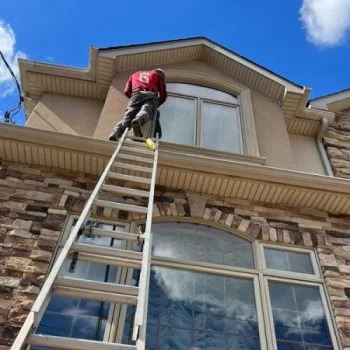
- Visual inspection — Check soffits, attic, rooflines, and exterior vents for signs of entry, droppings, and damage.
- Exclude — Seal gaps, install one-way exit devices if allowed, and fit insect/bird screens on external grilles.
- Nest and contaminant removal — Remove nests, droppings, and contaminated insulation following safety guidance.
- Test airflow — Verify supply and return airflow and balance after cleaning and repairs.
- Schedule maintenance — Set periodic inspections and HVAC filter replacement cadence.
Cleaning and disposal best practices
Cleaning contaminated ductwork and insulation requires PPE (gloves, respirator rated N95 or better if droppings present) and proper disposal per local guidelines. For guidance on pest-related health risks and safe control strategies, consult official public-health resources such as the U.S. Environmental Protection Agency: EPA — Safe Pest Control.
Real-world example: A Lewisville townhouse scenario
A two-story townhouse in Lewisville experienced musty smells and uneven heating. Inspection found a pigeon nest blocking an exterior return vent and soiled insulation in the attic. After humane nest removal, replacement of contaminated insulation, and sealing the vent opening with a screened cap, the HVAC system regained proper airflow. The outcome: reduced runtime, improved comfort on upper floors, and elimination of odors — demonstrating how targeted animal removal for HVAC protection can save repair and energy costs.
Practical tips for homeowners and property managers
- Inspect vents and soffits twice yearly and after storms or roof work.
- Replace HVAC filters immediately after confirming animal intrusion and follow a tighter replacement schedule for a season.
- Document entry points with photos before repairs to ensure compliance with local wildlife protection laws.
- Use corrosion-resistant materials (stainless steel mesh) for long-lasting exclusion of rodents and birds.
When to call a professional
Hire licensed wildlife removal or HVAC professionals when dealing with large infestations, bat colonies (protected species in many states), or when duct cleaning and system repairs are required. Professionals can coordinate humane removal, hazardous-waste-safe cleanup, and verify duct integrity and system balance.
Trade-offs and common mistakes
Understanding trade-offs helps choose the right approach:
- DIY exclusion vs. professional service: DIY sealing can save money but risks missing secondary entry points or violating wildlife laws. Professionals charge more but provide comprehensive resolution and documentation.
- Immediate sealing without removal: Blocking an occupied nest can trap animals inside vents and cause greater damage or mortality issues; always confirm absence before permanent exclusion.
- Cosmetic fixes instead of system testing: Replacing a vent cover without testing airflow can leave unseen duct contamination or damage unaddressed.
Common mistakes to avoid
- Ignoring small gaps — rodents can squeeze through openings the size of a quarter.
- Delaying filter changes after cleanup — residual contaminants circulate if filters stay clogged.
- Using inappropriate materials — avoid foam-only patches where chewing species are present.
Core cluster questions
- How often should vents and soffits be inspected for wildlife in residential buildings?
- What are the best exclusion materials for rodent-proofing ductwork?
- How does nesting material in vents affect HVAC efficiency and energy bills?
- What legal or humane rules govern bird and bat removal in municipal areas?
- When is duct cleaning required after an animal infestation?
Costs, benefits, and ROI
Upfront costs for inspection and exclusion vary but are typically lower than the long-term costs of repeated HVAC repairs, higher energy bills, or mold remediation. Budgeting for seasonal inspections and swift intervention yields measurable savings in energy consumption and extends equipment lifespan.
Conclusion
Proactive animal removal and exclusion protect ventilation systems by restoring airflow, removing contamination, and preventing structural and insulation damage. Use a methodical approach like the V.E.N.T.S. checklist, prioritize safety and legal requirements, and balance DIY work with professional help when risks or complexity are high.
FAQ — How animal removal for HVAC protection helps
How does animal removal for HVAC protection reduce health risks?
Removing animals eliminates sources of allergens, bacteria, and parasites found in droppings and nesting materials. Combined with proper cleaning and filter replacement, this reduces airborne contaminant loads that can trigger respiratory problems.
Can birds or rodents permanently damage ductwork?
Yes. Persistent gnawing, nesting, and moisture retention can tear duct seams, damage insulation, and corrode metal components — leading to leaks and decreased efficiency.
Are there legal limits to removing wildlife from vents?
Protected species (for example, certain bat or migratory bird species) are subject to state and federal regulations. Check local wildlife agencies before attempting removal; a professional can help ensure compliance.
How soon should filters be changed after an animal intrusion?
Replace HVAC filters immediately after cleanup and then follow a shortened replacement schedule (every 1–2 months) until the system runs clean and no residual contamination is detected.
What preventive steps stop re-infestation?
Seal entry points with durable materials, install properly sized exterior screens, maintain eaves and rooflines, and schedule routine inspections. Address attractive food or shelter sources that draw wildlife to the property.