Effective Pharmacy Promotion Strategies Using a Pharmacy Ad Network
-
- Published Updated
- 1,331 views
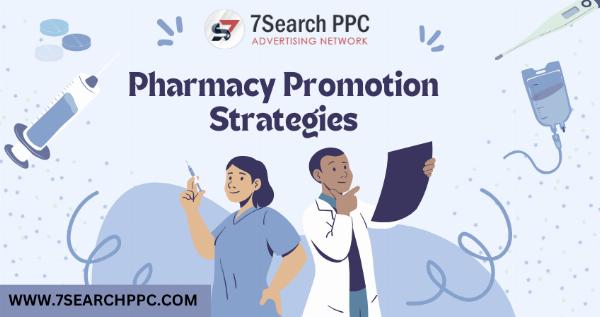
A pharmacy ad network can help pharmacies reach patients online and in local communities, combining targeted digital ads, local search optimization, and content distribution to promote services like vaccinations, medication synchronization, and telepharmacy. This article outlines practical pharmacy promotion strategies, compliance considerations, and measurement approaches suitable for community, independent, and chain pharmacies.
- Use a pharmacy ad network alongside local SEO and content marketing to increase visibility.
- Prioritize patient privacy and regulatory compliance (HIPAA, state boards) when targeting ads.
- Measure outcomes with website analytics, conversion tracking, and pharmacy-specific KPIs.
pharmacy ad network: what it is and when to use one
A pharmacy ad network is a system that places pharmacy-related ads across websites, apps, and search platforms to reach potential patients and caregivers. Networks vary from specialized health advertising platforms to broader programmatic services with pharmacy-focused segments. Use a pharmacy ad network to increase local awareness for services, promote seasonal campaigns (for example, influenza vaccination drives), or support patient education efforts while maintaining compliance with advertising rules.
Key pharmacy promotion strategies
Local search optimization (Local SEO)
Local SEO ensures that a pharmacy appears in searches for nearby services. Actions include claiming listings on search directories, keeping business hours and contact details up to date, collecting patient reviews within regulatory guidelines, and creating local landing pages for services (immunizations, medication therapy management). Local search drives foot traffic and supports geo-targeted campaigns run through an ad network.
Targeted digital advertising
Paid search (PPC) and display ads can promote time-sensitive offers and services. Use geo-targeting to limit impressions to service areas, and segment audiences by demographics or interests when permitted. Avoid making clinical claims in ads; follow advertising guidance from regulators and professional boards.
Content marketing and patient education
Useful content builds trust and improves organic search performance. Create evergreen articles about medication adherence, over-the-counter options, and preventive services. Content should cite reputable sources—academic studies, government health agencies, or pharmacy associations—and link to clinic resources without providing individualized medical advice.
In-pharmacy and community outreach
Combine online promotion with in-store signage, community health events, and partnerships with local clinicians. Omnichannel strategies—coordinating the pharmacy ad network with offline promotions—often produce higher engagement and better retention.
Compliance, privacy, and regulatory considerations
Patient privacy and data protection
Targeting that involves protected health information must comply with applicable privacy laws such as HIPAA in the United States and comparable laws in other jurisdictions. Avoid collecting or transmitting identifiable health data through advertising channels unless authorization and appropriate safeguards are in place. Consult legal counsel or a compliance officer for specific data-handling requirements.
Advertising rules and professional standards
Advertisements should not be misleading or make unverified therapeutic claims. Pharmacy advertising is subject to oversight by state boards of pharmacy, professional associations, and national regulators. For broad guidance on advertising practices and consumer protection, review materials from the Federal Trade Commission (FTC). Regulatory expectations may also include recordkeeping and disclosure requirements for certain promotions.
Measuring success: metrics and analytics
Digital performance metrics
Track impressions, click-through rates (CTR), conversion rates (appointment bookings, prescription transfers), and cost per acquisition (CPA). Use website analytics and call-tracking to attribute offline conversions to online campaigns. Pharmacy management systems can provide dispensing- and service-level KPIs to measure business impact.
Clinical and patient-experience indicators
Complement digital metrics with pharmacy-specific measures such as new patient registrations, medication synchronization enrollments, immunization counts, and patient satisfaction scores. These indicators align promotional activity with care outcomes without making clinical claims in advertising materials.
Selecting and working with a pharmacy ad network
Vendor evaluation
Assess networks based on audience reach, targeting options, transparency of placements, reporting capabilities, and compliance practices. Request documentation on data sources and whether audience segments are built from de-identified or aggregated information. Check references and performance case studies relevant to pharmacies or healthcare services.
Budgeting and campaign planning
Define clear goals (awareness, service uptake, prescription transfers) and allocate budgets across channels that perform best for those goals. Start with a pilot campaign, measure results, and scale effective tactics. Seasonal planning can improve return on ad spend for predictable services like flu shots.
Integrating promotion with pharmacy operations
Staff training and workflows
Train staff on how to respond to leads generated by campaigns, capture consent for further communications, and document service outcomes. Smooth intake and scheduling processes turn marketing interactions into sustained patient relationships.
Technology and interoperability
Ensure marketing tools integrate with appointment systems, CRM, and pharmacy dispensing software where possible. Data integration supports accurate measurement and consistent patient experiences across channels.
FAQ
What is a pharmacy ad network and how does it work?
A pharmacy ad network places pharmacy-related ads across websites, apps, and search engines using targeting parameters such as location, device, and contextual relevance. Networks may use programmatic buying or managed campaigns to deliver ads aimed at local audiences or specific demographic groups while providing performance reports and optimization tools.
How can pharmacies protect patient privacy when running ads?
Avoid using identifiable health data for targeting unless proper authorizations and safeguards are in place. Use aggregated or anonymized audience segments, follow HIPAA and local privacy law requirements, and limit the collection of sensitive information through landing pages and forms.
Which metrics matter most for pharmacy promotion strategies?
Important metrics include conversions (appointments, prescription transfers), local search visibility, cost per acquisition, and patient-experience indicators like satisfaction and retention. Link digital KPIs to operational outcomes to measure real-world impact.
Are there restrictions on claims in pharmacy advertising?
Yes. Advertising should avoid unsubstantiated clinical claims and comply with oversight from state boards of pharmacy and national regulators. Review professional guidelines and legal requirements before publishing claims about treatments or outcomes.
How should a pharmacy choose between in-house advertising and a pharmacy ad network?
Consider in-house capabilities, scale of reach needed, technical integration, and compliance resources. A pharmacy ad network can provide audience reach and campaign management expertise, while in-house efforts offer tighter control over messaging and data. Many pharmacies use a hybrid approach to balance costs and control.