Power Generation Pumps Market Impacting Factors: Efficiency, Infrastructure, Technology and Water Management
-

- Published Updated
- 5,383 views
Introduction
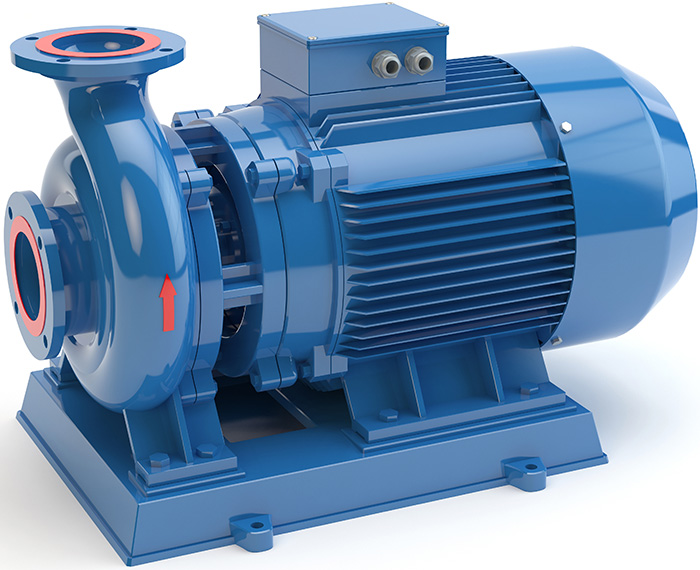
Pumping systems are essential components of modern power-generation facilities. They support cooling, boiler feedwater circulation, condensate recovery, water treatment, wastewater handling, lubrication, drainage, and numerous auxiliary operations. Because these functions are closely connected with plant reliability, pump performance can influence efficiency, maintenance requirements, and operating continuity.
The power generation pumps market impacting factors include electricity demand, power infrastructure investment, plant modernization, energy-efficiency requirements, digitalization, water availability, raw-material costs, environmental considerations, and technological development. Understanding these influences is important for manufacturers, plant operators, engineering companies, and service providers seeking to adapt to changing industry requirements.
Electricity Demand and Generation Capacity
The level of electricity demand is one of the fundamental factors influencing power-generation equipment requirements.
Industrial activity, urbanization, commercial expansion, electrification, and growing digital infrastructure can increase the need for reliable electricity. When additional generation capacity is developed, pumping systems are required across multiple plant processes.
New facilities may require pumps for cooling-water circulation, boiler systems, condensate handling, water treatment, and wastewater management.
Consequently, changes in power-generation investment can directly influence opportunities for pump manufacturers.
Expansion of Power Infrastructure
Investment in generation infrastructure can create demand for new pumping systems.
Large-scale projects typically involve multiple fluid-handling applications, each requiring equipment designed for specific flow, pressure, temperature, and material conditions.
Suppliers with broad product portfolios and engineering capabilities can address a wider range of project requirements.
Infrastructure investment can also generate opportunities for installation, commissioning, maintenance, and replacement services.
Aging Power Plants
The condition of existing infrastructure is another important market influence.
Older power plants may contain pumps that have experienced years of wear and may operate below modern efficiency standards.
Operators can replace aging equipment or undertake targeted upgrades.
Modernization may include new pumps, efficient motors, variable-speed drives, improved seals, advanced controls, and digital monitoring systems.
The large installed base of older equipment therefore creates continuing opportunities even when new power-plant construction is limited.
Energy-Efficiency Requirements
Energy consumption is a major consideration when selecting pumping equipment.
Pumps operating for long periods can contribute significantly to facility electricity usage.
Manufacturers are developing more efficient hydraulic designs, motors, impellers, and control systems to reduce energy requirements.
Variable-speed technology can further improve efficiency by adjusting pump output according to actual process demand.
The growing emphasis on lifecycle operating costs encourages plant operators to evaluate pumps according to long-term energy performance rather than purchase price alone.
Digital Transformation
Digitalization is changing how power plants operate and maintain pumping systems.
Sensors can monitor parameters such as vibration, temperature, pressure, flow, and rotational speed.
Connected pumps can transmit operating information to centralized monitoring platforms.
This provides maintenance teams with greater visibility into equipment condition and can support faster identification of abnormal performance.
As industrial automation expands, digital functionality is becoming an increasingly important factor in pump selection.
Predictive Maintenance
Maintenance strategies have a direct effect on demand for advanced pumping technologies.
Unexpected pump failures can interrupt plant operations and create repair costs.
Predictive maintenance systems use equipment data to identify potential problems before they become serious.
Monitoring technologies can detect changes associated with component wear, imbalance, overheating, cavitation, or other issues.
This approach can help operators schedule maintenance according to actual equipment condition.
The growing adoption of predictive maintenance is therefore encouraging demand for connected pumps and condition-monitoring systems.
Water Availability and Management
Water requirements are another major influence on power-generation pump demand.
Many generation facilities depend on significant water movement for cooling and other processes.
In regions facing water constraints, operators may seek improved circulation systems, recycling technologies, efficient cooling solutions, and advanced treatment processes.
Pumps play a central role in water intake, filtration, treatment, recycling, and wastewater management.
Greater emphasis on water conservation can therefore create opportunities for specialized and energy-efficient pumping solutions.
Environmental Considerations
Environmental priorities are increasingly influencing equipment decisions.
Power-generation operators may seek technologies that reduce energy consumption, minimize water use, improve process efficiency, and limit equipment-related waste.
Durable pump components can extend service life and reduce replacement frequency.
Refurbishment programs can also help operators maintain existing equipment rather than replacing entire systems.
These considerations encourage manufacturers to incorporate efficiency and sustainability into product development.
Raw-Material and Component Costs
Manufacturing costs can influence pump pricing and profitability.
Pumps may require specialized metals, alloys, coatings, seals, bearings, motors, electronic components, and other materials.
Changes in material availability and input costs can affect production expenses.
Manufacturers may respond through supplier diversification, inventory planning, material optimization, and improved production processes.
Efficient supply-chain management can help companies maintain competitive pricing while protecting margins.
Technological Innovation
Technology development is an important market influence.
Advances in pump hydraulics, motor efficiency, materials, sensors, controls, and data analytics can improve equipment performance.
Manufacturers that introduce innovative products can differentiate themselves in competitive procurement environments.
However, new technologies must provide practical benefits such as lower energy consumption, improved reliability, easier maintenance, or better process control to encourage widespread adoption.
Variable-Speed Pumping
Variable-speed drives are increasingly influencing pump-system design.
Traditional fixed-speed systems may operate at levels that exceed actual process requirements.
Variable-speed equipment can adjust output according to changing conditions.
This can improve flow control and potentially reduce energy consumption.
The technology is particularly relevant to modernization projects where operators are seeking efficiency improvements without completely redesigning plant infrastructure.
Government and Infrastructure Policies
Public-sector investment and infrastructure priorities can affect the development of power-generation facilities.
Programs supporting electricity reliability, infrastructure modernization, industrial development, energy efficiency, or grid expansion can indirectly influence demand for pumps.
Regulatory requirements can also affect equipment specifications, environmental performance, and operating practices.
Manufacturers must therefore monitor policy developments and adapt products to applicable technical and environmental requirements.
Supply-Chain Resilience
Reliable supply chains are becoming increasingly important.
Power-generation projects can involve long procurement schedules and require specialized equipment.
Delays in motors, seals, bearings, castings, electronics, or other components can affect delivery timelines.
Manufacturers are strengthening supply-chain resilience through multiple suppliers, regional sourcing, inventory management, and improved production planning.
Companies that maintain dependable delivery capabilities can gain an advantage in project-based markets.
Customization Requirements
Power-generation applications often require highly specific pump characteristics.
Flow rate, pressure, temperature, fluid composition, installation environment, and operating cycles can vary substantially.
Standard products may not always meet these requirements.
Manufacturers with strong engineering capabilities can provide customized designs that match plant conditions.
Customization can therefore become an important differentiator, particularly for technically demanding projects.
Aftermarket and Maintenance Demand
The installed base of power-generation pumps creates recurring aftermarket opportunities.
Equipment requires inspections, spare parts, repairs, refurbishment, testing, and periodic upgrades.
Service providers can develop long-term maintenance agreements and remote-monitoring programs to support customers.
A strong aftermarket network can improve customer retention while generating recurring revenue.
Total Cost of Ownership
Customers are increasingly assessing pumps based on total lifecycle economics.
Initial purchase price is only one component of overall cost.
Energy consumption, maintenance, spare parts, downtime, repair requirements, and expected service life can significantly influence the economic value of a pump.
Manufacturers that demonstrate lower lifecycle costs can strengthen their position even when their equipment has a higher initial price.
Competitive Environment
Competition is shaped by product quality, technical expertise, price, delivery capabilities, customization, and service support.
Large manufacturers can benefit from extensive product portfolios and global service networks.
Specialized suppliers may compete through application-specific expertise and engineering flexibility.
Regional manufacturers can attract customers through local support, shorter delivery times, and competitive pricing.
This creates a diverse competitive environment in which technical and service capabilities are increasingly important.
Future Impact of Market Factors
The interaction of these factors will continue to influence market development.
Infrastructure investment can create new equipment demand, while modernization can support replacement opportunities.
Digitalization can increase demand for smart pumps, while energy and water efficiency can encourage investment in advanced systems.
At the same time, supply-chain pressures, raw-material costs, and complex installation requirements may influence purchasing decisions.
Manufacturers that can balance performance, affordability, reliability, and innovation will be better positioned to respond to these changing conditions.
Conclusion
The power generation pumps market impacting factors span technology, infrastructure, economics, environmental priorities, and operational requirements.
Electricity demand, power-plant expansion, aging infrastructure, energy efficiency, digitalization, predictive maintenance, water management, material costs, customization, and aftermarket services all contribute to market direction.
The strongest opportunities are likely to emerge for suppliers offering efficient, reliable, digitally connected, durable, and application-specific pumping solutions.
As power-generation operators continue to modernize facilities and optimize lifecycle costs, understanding these interconnected factors will remain essential for manufacturers and industry participants seeking sustainable growth.
Written as -https://www.pristinemarketinsights.com/power-generation-pumps-market-report