Maximizing Reach: Practical PPC Strategies for Social Apps
-

- February 23rd, 2026
- 1,541 views

FREE SEO Topical Map Generator: Find Your Next Content Ideas
PPC advertising on social apps: an overview
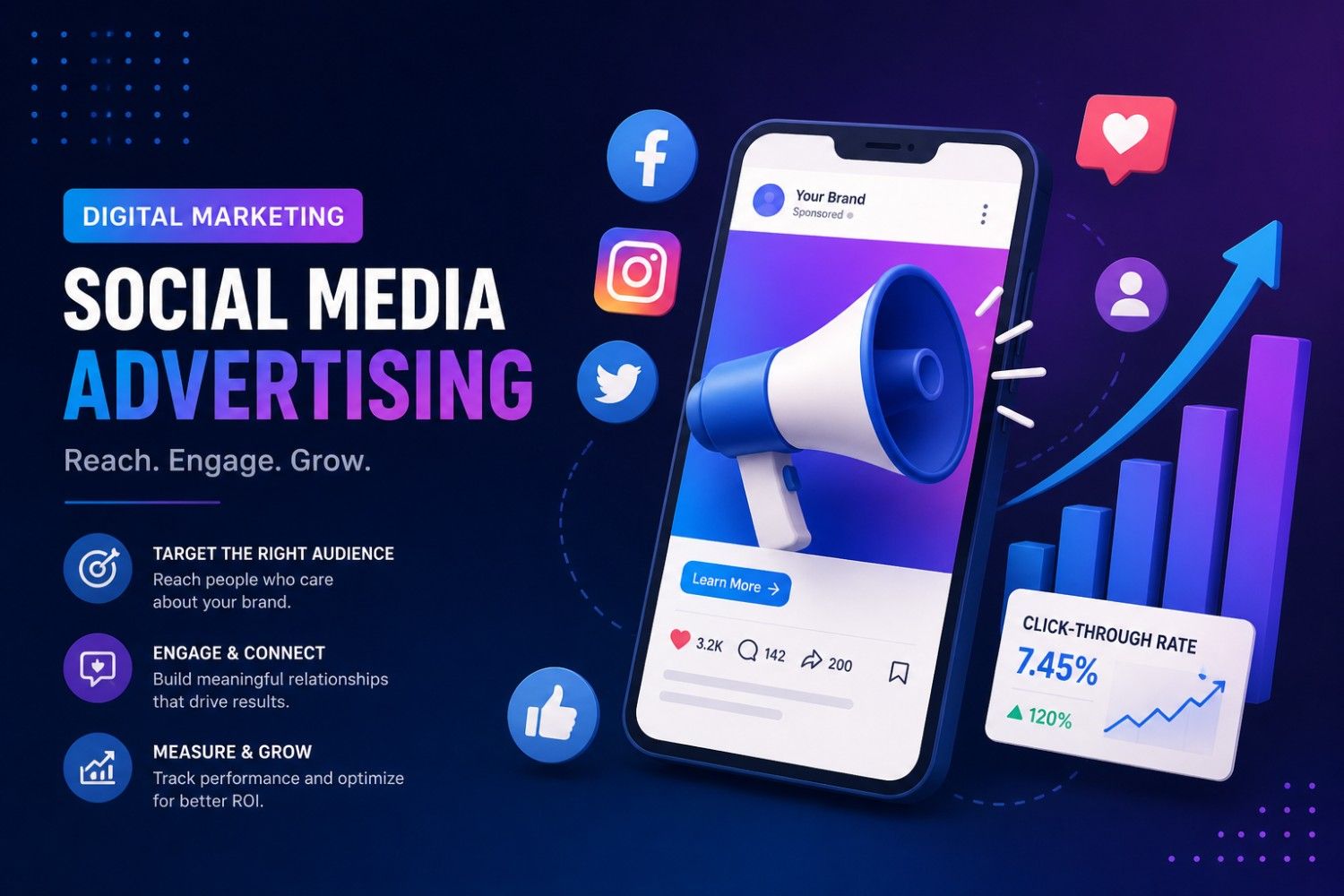
PPC advertising on social apps can help businesses increase visibility, drive website traffic, and support conversions by placing paid placements within social feeds and stories. Choosing the right platforms, understanding targeting options, and measuring performance are central to creating efficient campaigns that reach the intended audience while controlling cost-per-click (CPC) and cost-per-thousand-impressions (CPM).
- Define clear goals (awareness, traffic, leads, sales) before launching PPC campaigns.
- Select social apps and ad formats that match audience behavior and creative assets.
- Use audience targeting, A/B testing, and conversion tracking to optimize spend.
- Comply with platform rules and advertising standards from regulators and industry bodies.
Choose platforms and formats that match audience intent
Different social apps support distinct content styles and user behaviors. Short-form video platforms favor high-energy, visually engaging ads; image-driven networks work well for product photography; professional networks serve B2B targeting. Evaluate audience demographics, creative resources, and campaign objectives when selecting placements. Common placement types include in-feed ads, story ads, promoted posts, and sponsored messages.
Targeting, creatives, and ad copy
Audience targeting
Targeting options typically include demographic filters (age, gender, location), interest and behavior segments, lookalike or similar audiences, and first-party custom audiences based on website visitors or customer lists. Combining layered targeting with exclusions helps limit wasted impressions.
Creative best practices
High-performing creatives are concise, visually clear on small screens, and include a single clear call-to-action (CTA). Test multiple creative variations and ad copy length; mobile-first design and captions for videos improve engagement when sound is off. Consider accessibility: readable fonts, descriptive alt text for images, and legible color contrast.
Bidding, budgeting, and campaign structure
Budget allocation
Allocate budget across awareness and conversion-focused campaigns depending on the sales funnel. Start with modest daily budgets for testing, then scale spend on top-performing audiences and creatives. Consider lifetime budgets for longer test windows when running multi-week promotions.
Bidding strategies
Common bidding options include automatic bidding, manual CPC, target CPA (cost per acquisition), and target ROAS (return on ad spend). Choose a strategy aligned with campaign goals: awareness objectives may prioritize CPM, while conversion goals often use CPA or ROAS targets. Monitor performance and adjust bids to reflect real-world conversion rates.
Measurement, tracking, and privacy considerations
Conversion tracking and attribution
Implement platform pixels or SDKs and tag landing pages for conversion tracking. Use UTM parameters on links for analytics. Understand each platform's attribution window and model to interpret results correctly. Consider multi-touch attribution when assessing which channels contribute to conversions.
Privacy and regulatory compliance
Privacy changes and regulations affect tracking and audience targeting. Keep campaigns compliant with applicable data protection laws and platform policies. Industry standards from regulators and trade bodies provide guidance on transparency and ad measurement; for implementation and best practices consult the Interactive Advertising Bureau (IAB) for technical and policy resources Interactive Advertising Bureau (IAB). Additionally, review relevant advertising disclosure requirements from national regulators such as the Federal Trade Commission (FTC) where applicable.
Optimization and testing approach
A/B testing
Test one variable at a time—creative, headline, CTA, audience segment—to isolate what drives performance. Use statistical significance and sufficient sample sizes before making large budget changes.
Scaling and iteration
Scale winning ad sets gradually to avoid performance volatility. Monitor frequency to reduce ad fatigue, and refresh creatives periodically. Use automated rules or scripts where available to pause underperforming ads and reallocate budget to higher-performing variations.
Common pitfalls and how to avoid them
- Relying on a single platform without testing alternatives—diversify placements after validating performance.
- Poor landing page experience—ensure landing pages match ad messaging and load quickly on mobile.
- Ignoring attribution—use consistent measurement to understand true campaign ROI.
- Neglecting creative refresh—rotate ads to prevent audience fatigue and declining engagement.
Getting started checklist
- Define campaign goals and key performance indicators (KPIs).
- Choose platforms and ad formats matched to audience behavior and creative assets.
- Set up conversion tracking and analytics tags before launching ads.
- Start with small tests, measure results, and scale winners carefully.
- Review platform policies and applicable advertising regulations periodically.
FAQ
How effective is PPC advertising on social apps for small businesses?
PPC advertising on social apps can be effective for small businesses when campaigns are tightly targeted, creatives are optimized for the platform, and budgets are managed with clear performance goals. Small budgets can generate measurable results through well-defined audiences and conversion tracking that informs iterative optimization.
What metrics should be tracked for social app PPC campaigns?
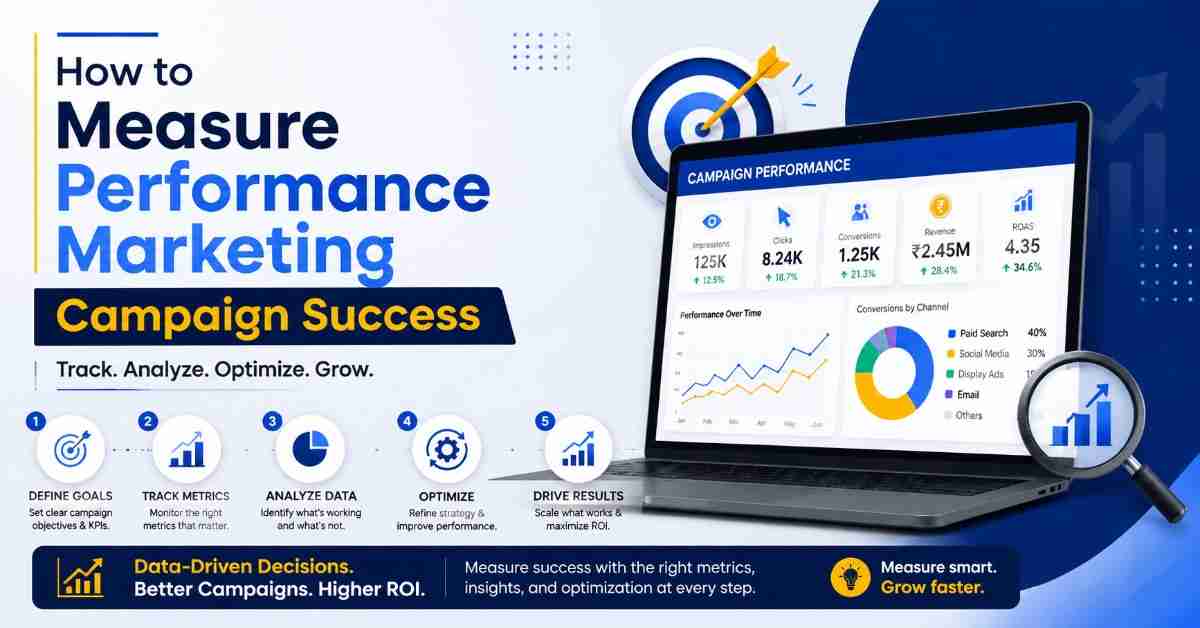
Track metrics aligned to goals: impressions and reach for awareness, click-through rate (CTR) and CPC for engagement, and conversion rate and CPA for leads or sales. Monitor lifetime value (LTV) and return on ad spend (ROAS) to evaluate long-term performance.
How can ads comply with transparency and disclosure rules?
Follow platform-specific ad labeling requirements, disclose sponsored content when necessary, and adhere to local advertising regulations. Consult industry guidance from regulatory agencies and trade groups for specific obligations.
How often should creatives be updated in PPC campaigns?
Rotate or refresh creatives every few weeks or when performance declines to combat ad fatigue. Frequency depends on audience size and campaign intensity; large, high-frequency audiences typically require more frequent refreshes.