Prangan by Studio Ipsa: Heritage-Inspired Luxury Meets Contemporary Vernacular
-

- April 20th, 2026
- 180 views

Get a free topical map and start building content authority today.
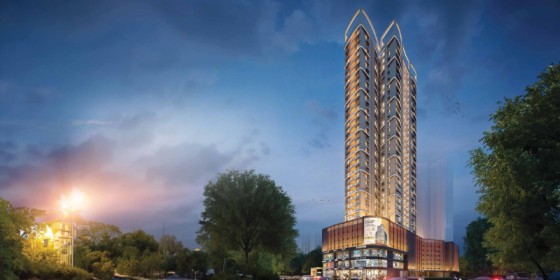
Prangan by Studio Ipsa presents a deliberate dialogue between past and present: historic craft, regional materials, and contemporary spatial planning create a refined residential experience. This article explains the design approach, practical decisions, and lessons that make Prangan a model for heritage-inspired luxury residences.
- Focus: how heritage techniques and modern systems combine at Prangan by Studio Ipsa.
- Includes a practical Heritage-Modernity Design Checklist (HMDC), a short scenario, and 4 actionable tips.
- Detected intent: Informational
Prangan by Studio Ipsa: design concept and context
Prangan by Studio Ipsa uses culturally rooted materials—stone, lime plaster, carved timber—and pairs them with contemporary light, ventilation, and services. The project interprets local craft traditions through a modern program, achieving luxury that feels grounded rather than imported. This approach is useful for architects, clients, and conservators aiming to deliver authenticity without sacrificing comfort.
Core questions readers search about this project
- What design principles does Prangan by Studio Ipsa use to blend heritage and modernity?
- How can traditional materials be adapted for modern luxury residences?
- What are the sustainability benefits of vernacular construction methods?
- How are heritage elements conserved while adding modern services?
- Which common mistakes to avoid when designing heritage-inspired homes?
Key design strategies used at Prangan by Studio Ipsa
Material logic and tectonic clarity
The project uses locally sourced stone and lime for thermal mass, carved timber for verandahs and screens, and contemporary glazing selectively. Combining passive strategies with targeted mechanical systems keeps whole-building energy use moderate while maintaining a luxury feel.
Spatial layering and modern program planning
Spatial sequences alternate intimate, shaded courtyards and double-height living spaces to create variation and daylight control. Modern amenities—bathrooms, kitchens, MEP—are inserted in service cores to preserve primary heritage-facing volumes.
Heritage-Modernity Design Checklist (HMDC)
A compact checklist to guide projects inspired by Prangan:
- Document existing craft techniques and materials before design decisions.
- Prioritize passive climate responses (orientation, shading, thermal mass).
- Locate mechanical services in discrete zones to protect primary volumes.
- Use reversible or minimally invasive interventions for conservation areas.
- Select finishes that age gracefully and are compatible with traditional materials.
Practical tips for designing heritage-inspired luxury residences
- Integrate insulation and vapor-control layers behind traditional finishes rather than replacing them—this preserves visible craft while improving performance.
- Test mockups of junctions where new glazing meets historic masonry to ensure watertight, thermally robust details.
- Specify maintenance-friendly finishes and provide a maintenance manual; longevity is part of luxury.
- Engage local craftspeople early; their input reduces costly rework and preserves authenticity.
Real-world scenario: adapting a courtyard house
Scenario: A family commissions a courtyard house renovation where original timber screens and a stone plinth remain sound but the interiors need modern services. Using the HMDC, the design team preserved the screens and plinth, routed new plumbing through a new service spine adjacent to the kitchen, and added discreet high-level glazing to increase daylight without altering the street elevation. The result kept the historic character at the public face while delivering contemporary convenience inside.
Trade-offs and common mistakes
Trade-offs to accept
Authenticity vs. convenience: preserving original fabric sometimes limits floor-plan openness. Budget vs. craft: hand-crafted repairs can be costlier but yield better heritage value. Thermal performance vs. material integrity: adding insulation may require careful detailing to avoid vapor damage.
Common mistakes
- Over-restoration: replacing patina and minor imperfections that contribute to authenticity.
- Ignoring service integration early—retrofit services that cut through primary heritage fabric cause irreversible harm.
- Applying foreign modern typologies without adapting to local climate and craft traditions.
Standards and best practices
Projects that combine heritage and modern systems should follow internationally recognized conservation principles—document, minimize intervention, and ensure reversibility. For guidance on heritage conservation standards, refer to authoritative resources such as the UNESCO World Heritage Centre for high-level principles (UNESCO).
Measuring success at Prangan
Success metrics include user comfort, durability of repaired elements, thermal performance improvements, and measurable reduction in invasive interventions. Post-occupancy feedback and a maintenance plan help preserve both heritage value and luxury performance over time.
Additional resources and next steps
When developing a heritage-inspired luxury residence, prioritize documentation, integrate services early, and choose reversible solutions. Use the HMDC as a decision filter and involve conservators and local craftspeople from concept to delivery.
Core cluster questions for related content (linking targets)
- How to document traditional building materials before renovation?
- What are passive cooling strategies in vernacular architecture?
- How to detail modern glazing with historic masonry?
- What maintenance schedule preserves carved timber and lime plaster?
- How to budget for craft-led restoration in luxury homes?
Final takeaway
Prangan by Studio Ipsa demonstrates that luxury and heritage can be complementary when materials, craft, and modern systems are integrated with respect and technical rigor. Use the checklist and tips above to apply those lessons in other heritage-inspired projects.
FAQ
What is Prangan by Studio Ipsa and why is it significant?
Prangan by Studio Ipsa is a residential design that synthesizes regional craft, traditional materials, and contemporary spatial planning to deliver a luxury home rooted in local heritage. Its significance lies in demonstrating practical ways to integrate passive strategies and modern services without erasing historic character.
How do traditional materials improve thermal comfort in heritage-inspired luxury residences?
Materials like stone and lime plaster provide thermal mass and breathability, moderating indoor temperatures in hot climates. Combining those with modern glazing and targeted insulation improves overall performance while preserving historic fabric.
What are common maintenance priorities for houses like Prangan?
Priorities include regular inspection of roof and eaves, care for carved timber exposed to the elements, patching lime plaster with compatible mixes, and maintaining drainage to prevent masonry decay.
How should modern services be integrated without damaging heritage elements?
Locate service cores in secondary spaces, run new ducts and pipes in reversible routes, and use non-invasive fixings where possible. Early coordination between design, engineering, and conservation specialists reduces invasive interventions.
Can the design approach used at Prangan by Studio Ipsa be applied to urban and rural settings?
Yes. The principles—documenting craft, prioritizing passive responses, and inserting services discretely—are adaptable to both urban infill and rural conservation projects; details will vary by context and local regulations.