Pregabalin for Diabetic Neuropathy: How It Works, Dosage, Benefits, and Risks
-

- March 04th, 2026
- 1,055 views

👉 Best IPTV Services 2026 – 10,000+ Channels, 4K Quality – Start Free Trial Now
Pregabalin for diabetic neuropathy is a commonly prescribed treatment to reduce burning, stabbing, or electric-shock–like pain caused by peripheral nerve damage. This guide explains the biological mechanism, expected benefits, dosing considerations, and practical steps for safer, more effective symptom control.
Key points: Pregabalin reduces neuropathic pain by binding the alpha2-delta subunit of voltage-gated calcium channels, lowering neurotransmitter release. Typical approaches balance pain relief, dosing titration, and side-effect monitoring. Detected intent: Informational.
How pregabalin for diabetic neuropathy works: the basic mechanism
Pregabalin is a gabapentinoid that targets the alpha2-delta accessory subunit of presynaptic voltage-gated calcium channels in the central and peripheral nervous system. By modulating calcium influx, pregabalin reduces the release of excitatory neurotransmitters such as glutamate, norepinephrine, and substance P, which lowers neuronal hyperexcitability and decreases neuropathic pain signaling.
Related physiology and terms
Relevant terms include peripheral neuropathy, central sensitization, gabapentinoid, alpha2-delta subunit, dorsal horn neurons, and nociceptor hyperexcitability. Understanding these helps explain why pregabalin can reduce spontaneous pain and allodynia in diabetic neuropathy.
When pregabalin is used and what to expect
Pregabalin is indicated for various neuropathic pain conditions, including those related to diabetes. Improvements are typically seen within days to a few weeks for many patients, but full benefit can take several weeks of appropriate dosing and titration. Pain reduction often coexists with side effects that require management.
Pregabalin mechanism of action in clinical terms
Mechanistically, pregabalin binds to alpha2-delta-1 and alpha2-delta-2 subunits. This binding decreases pathological synaptic transmission involved in chronic pain states. Unlike opioids or NSAIDs, pregabalin acts on neuronal signaling rather than inflammation or mu-opioid receptors.
Pregabalin dosage for neuropathy: practical overview
Typical regimens start low and titrate. Common approaches begin at 75 mg twice daily or 50 mg three times daily, increasing over 1–2 weeks to 150 mg twice daily as tolerated; some patients may need up to 300 mg twice daily depending on response and tolerability. Dose adjustments are required for renal impairment. Always follow prescriber guidance and drug labeling.
For official dosing information, refer to the prescribing label as a primary source: U.S. Food and Drug Administration.
PAIN-SAFE checklist: a quick clinical framework for safer use
Use this five-step checklist before and during pregabalin therapy:
- P — Profile patient: renal function, CNS depressant use, fall risk.
- A — Adjust dose: account for renal impairment and age.
- I — Inform patient: side effects (dizziness, somnolence, weight gain), driving cautions.
- N — Notice interactions: opioids, benzodiazepines increase sedation risk.
- S — Set goals & follow-up: pain score targets, sleep quality, function at 4–8 weeks.
Real-world example
Scenario: A 62-year-old with type 2 diabetes reports burning feet and sleep disruption from neuropathic pain. Baseline labs show normal renal function. A prescriber starts pregabalin 75 mg twice daily and schedules a 2-week follow-up. At two weeks the patient reports 40% pain reduction but marked dizziness; dose is held and then reduced to 50 mg twice daily with improved balance and sustained pain relief. This illustrates titration, monitoring, and dose adjustment to balance efficacy and side effects.
Practical tips for clinicians and patients
- Start low and titrate slowly: minimize dizziness and sedation by increasing dose over several days to weeks.
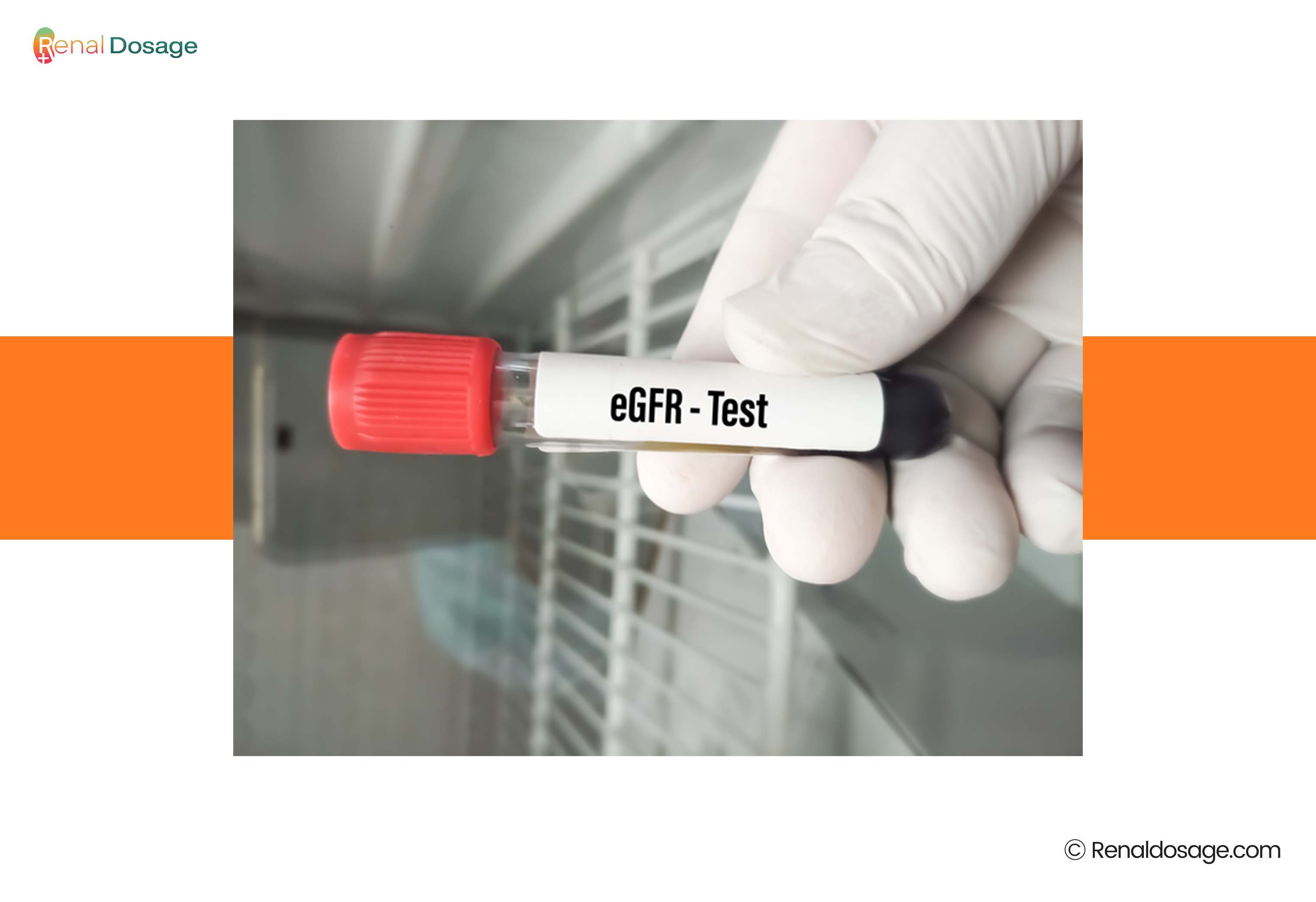
- Check renal function before prescribing and adjust dose when estimated glomerular filtration rate (eGFR) is reduced.
- Review concomitant CNS depressants: benzodiazepines, opioids, and alcohol raise fall and respiratory depression risk.
- Set realistic goals: aim for meaningful improvement in sleep and function, not total pain elimination.
- Monitor for mood changes and misuse risk; counsel about storing medication securely.
Common mistakes and trade-offs
Common mistakes
- Rapid titration without monitoring increases adverse effects and early discontinuation.
- Ignoring renal dose adjustments can produce toxicity in older adults.
- Using pregabalin as a standalone strategy without addressing glycemic control, foot care, and physiotherapy limits long-term benefit.
Trade-offs to consider
Pregabalin can provide meaningful pain relief and improve sleep, but trade-offs include sedation, dizziness, weight gain, and potential for dependence-like behaviors. Compared with tricyclic antidepressants, pregabalin may be better tolerated for some but more sedating for others. Choice depends on comorbidities, concurrent medications, and patient priorities.
Monitoring and follow-up
Plan a follow-up at 2–4 weeks after starting or changing dose, then every 3 months to reassess pain scales, function, adverse effects, and renal function. Taper gradually when discontinuing to reduce withdrawal symptoms.
Core cluster questions (for related content and internal linking)
- What are the side effects of pregabalin in people with diabetic neuropathy?
- How does pregabalin compare with gabapentin for neuropathic pain?
- When should pregabalin be avoided in diabetic patients?
- What non-drug strategies improve outcomes in diabetic peripheral neuropathy?
- How should pregabalin be tapered to minimize withdrawal symptoms?
Conclusion
Pregabalin for diabetic neuropathy provides a mechanism-based option to reduce neuropathic pain by modulating calcium channel–mediated neurotransmitter release. Optimal results rely on careful patient selection, renal dose adjustment, slow titration, and regular follow-up to balance benefits and adverse effects.
FAQ: How effective is pregabalin for diabetic neuropathy?
Pregabalin reduces pain scores for many patients but does not cure nerve damage. Clinical trials and guidelines report moderate benefit; individual response varies. Combining medication with improved glycemic control, physical therapy, and foot care generally yields better functional outcomes.
Is pregabalin mechanism of action different from other pain medicines?
Yes. Pregabalin primarily modulates presynaptic calcium channels to reduce excitatory neurotransmitter release, differing from anti-inflammatories or opioids which act on different pathways.
What are typical pregabalin dosage for neuropathy ranges?
Dosing typically starts at 75 mg twice daily and may increase to 150 mg twice daily; some patients use up to 300 mg twice daily with monitoring. Dose must be reduced based on renal function.
Can pregabalin be stopped abruptly?
No. Discontinuation should be gradual to reduce risk of withdrawal symptoms such as anxiety, insomnia, and return of pain. Taper schedules depend on dose and treatment duration.
Where to find authoritative prescribing information?
Refer to the official drug label and regulatory guidance for detailed dosing, contraindications, and renal adjustment recommendations: U.S. Food and Drug Administration information provides authoritative prescribing details.