Pressure Washer Maintenance Guide: Essential Tips to Keep Your Machine in Peak Condition
-

- Published Updated
- 1,310 views
Detected intent: Informational
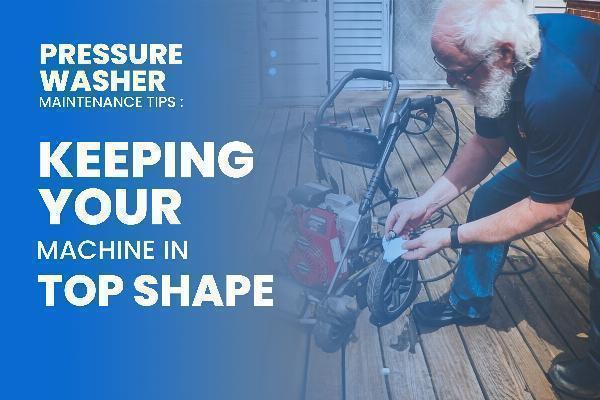
Pressure washer maintenance protects performance, prevents costly repairs, and extends equipment life. This guide covers routine checks, pump and engine care, winterizing, and troubleshooting so a residential or light-commercial machine stays reliable. The primary focus is pressure washer maintenance across gas and electric models, with practical steps and a named checklist to follow.
- Follow the MAINTAIN checklist for scheduled care.
- Inspect hoses, fittings, and seals before every use.
- Flush detergent and store dry; winterize where temperatures drop.
- Address pump and engine issues early to avoid major repairs.
Pressure Washer Maintenance: Routine Tasks and Schedule
Regular pressure washer maintenance prevents common failures. Include a quick pre-run inspection and a short after-use routine each time. Weekly, monthly, and seasonal tasks keep components—pump, motor or engine, hoses, wand, and nozzles—in secure working order.
Daily / Before-each-use checklist
- Inspect high-pressure hose, wand, and nozzle for cuts, leaks, or loose fittings.
- Check fuel and oil level on gas models; verify power cord and GFCI on electric models.
- Run unit briefly to confirm pressure build-up and listen for unusual sounds.
Weekly and Monthly tasks
- Clean nozzles with a soft brush or nozzle cleaning tool to prevent clogs.
- Check pump oil level where applicable and change according to manufacturer intervals.
- Inspect recoil and starter components on gas models; tighten loose fasteners.
MAINTAIN Checklist (named framework)
Use the MAINTAIN checklist as a repeatable framework for scheduled care—simple letters for everyday recall:
- Monitor fluids (oil, fuel, pump oil)
- Assess hoses, fittings, and seals
- Inspect and clean nozzles
- Normalize storage (drain water, detach accessories)
- Test safety devices (GFCI, trigger locks)
- Add fuel stabilizer for long storage (gas models)
- Ignore no unusual noises—investigate promptly
- Note service dates and mileage/hours
Pump Care and Troubleshooting
Pump issues cause many failures. Proper pump maintenance includes using the correct oil (where applicable), running a pump saver or antifreeze solution for winterizing, and preventing cavitation by keeping inlet screens clean. If pressure drops or the pump runs hot, check inlet supply, filters, and unloader valve.
Common pump problems
- Low pressure: clogged nozzle, falling inlet flow, or worn seals.
- Leaking pump: failed shaft seal or cracked housing—replace seals promptly.
- Overheating: running with closed spray for long periods or insufficient cooling water.
Engine and Motor Maintenance
Gas engines need oil changes, air filter cleaning, and spark plug inspection on a service schedule. Electric motors require keeping vents clean and protecting electrical connections from water. Always follow the manufacturer’s service intervals for oil and filters to maintain warranty and long-term reliability.
How to maintain a gas pressure washer
- Change engine oil after the break-in period and then at recommended hours.
- Use fuel stabilizer if storing for more than 30 days and drain or run the carburetor dry before winter.
- Replace spark plug annually or based on hours.
Winterizing and Storage
Cold weather can ruin a pump. For winter storage, follow these steps: flush detergent from the system, run a pump-protecting antifreeze or pump saver through the pump, remove and store nozzles and hoses in a dry place, and add fuel stabilizer to the gas tank. For step-by-step winterizing tips, consult the MAINTAIN checklist above.
Pressure washer winterizing tips
- Run a pump protector solution for 1–2 minutes to coat internal seals.
- Store the unit in a dry, frost-free location when possible.
- Disconnect batteries (on battery-start models) and keep charged periodically.
Practical Example: Weekend Homeowner Scenario
A homeowner plans a Saturday cleanup and notices reduced pressure when washing the driveway. Following the MAINTAIN checklist: the nozzle is cleaned, inlet filter removed and rinsed, and the unloader valve adjusted. After these quick fixes, pressure returns to normal and the job finishes without service call—showing how simple maintenance saves time and cost.
Practical Tips
- Keep a small maintenance kit: nozzle set, o-ring kit, pump oil, and a compact toolset.
- Log hours of use and maintenance dates—this helps predict parts replacement and service needs.
- Use inline water filters when using questionable water sources to protect the pump.
- Replace hoses every few seasons or at first sign of bulging or cracking—don’t wait for a burst.
Trade-offs and Common Mistakes
Trade-offs
Higher-end pumps and stainless fittings reduce maintenance frequency but increase upfront cost. Portable consumer models are easier to store but may have less serviceable parts than commercial-grade washers. Choose based on frequency of use and willingness to perform maintenance.
Common mistakes
- Skipping nozzle cleaning—small clogs drastically change spray pattern and pressure.
- Leaving water in the pump over winter—this causes freeze damage to seals and valves.
- Using incorrect pump oil—use the specified oil viscosity and change on schedule.
Safety and Regulations
Pressure washers create high-pressure streams and can cause injury or property damage. Follow safety guidance and grounding requirements for electric units, and handle fuels according to local regulations. For consumer safety guidance and recalls, consult the U.S. Consumer Product Safety Commission: CPSC.
Core cluster questions
- How often should a pressure washer pump oil be changed?
- What are the signs of a failing pressure washer pump?
- How to winterize a pressure washer for storage?
- Can pressure washers be used with hot water, and what maintenance does that require?
- When is it time to replace hoses and nozzles on a pressure washer?
FAQ
How often should pressure washer maintenance be performed?
Perform basic inspections before each use, weekly or monthly cleaning tasks depending on frequency of use, and seasonal or annual service according to the owner manual and hours of operation.
What is the best way to winterize a pressure washer?
Flush detergent, run a pump protector or antifreeze through the pump, drain water lines, add fuel stabilizer for gas models, and store the unit in a dry, frost-free location.
Does pressure washer maintenance include pump oil changes?
Yes—check pump oil levels and change per the manufacturer’s schedule. Using the correct oil type is critical to pump longevity.
Can regular maintenance prevent major repairs?
Consistent maintenance—especially inspecting hoses, cleaning nozzles, and protecting the pump from freezing—reduces the risk of major failures and extends usable life.
Where can one find official safety recommendations for pressure washer use?
Refer to safety guidance from consumer protection and occupational safety organizations such as the U.S. Consumer Product Safety Commission and local regulatory agencies for safe operation and recall notices.