Why Professional Inspections Are Essential for Second-Hand Cars
-

- March 03rd, 2026
- 1,330 views

FREE SEO Topical Map Generator: Find Your Next Content Ideas
Buying a used vehicle often involves balancing price, condition, and risk. A second-hand car inspection performed by a qualified provider can reveal problems that are not obvious in a visual check or test drive. This article explains why second-hand car inspection by professional car inspection companies is important, what inspectors evaluate, and how a report supports safer purchases.
- Professional inspections identify hidden mechanical, structural, and electrical issues.
- Inspections check safety systems, title history, odometer accuracy, and recall status.
- Reports provide evidence for negotiation, insurance, and future maintenance planning.
- Regulatory agencies such as the National Highway Traffic Safety Administration offer guidance on recalls and safety defects.
Second-hand car inspection: why professionals matter
Professional inspectors use standard procedures and diagnostic tools to evaluate a used vehicle’s condition. A certified inspection goes beyond a basic visual review by testing systems under diagnostic load, verifying identification numbers, and measuring wear items against manufacturer tolerances. Because used cars often have incomplete maintenance histories, a formal second-hand car inspection provides an independent assessment that supports informed decisions.
Key reasons to choose a professional car inspection company
1. Detect hidden mechanical and electrical problems
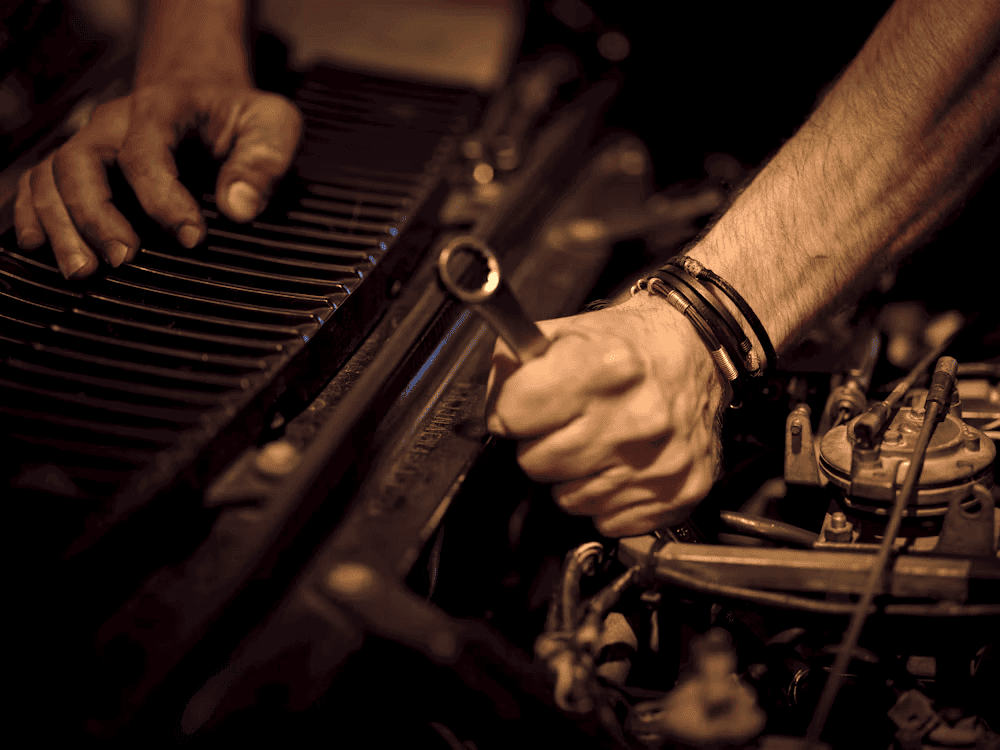
Professional inspections include operational checks and diagnostic scans. Technicians commonly use OBD-II tools to read engine and emissions fault codes, measure battery and charging system performance, and test accessories such as climate control and infotainment. Mechanical issues—worn timing components, internal engine wear, transmission slipping—can be costly if missed.
2. Identify structural and collision damage
Frame damage, repaired structural components, or poorly performed bodywork can reduce crash protection and long‑term reliability. Inspectors typically check for uneven panel gaps, mismatched paint, weld marks, and use paint-thickness or frame-straightness tools when needed. A professional report can highlight prior collisions that a simple viewing might not reveal.
3. Verify title, odometer and ownership documentation
Title branding (salvage, rebuilt, flood), lien status, and odometer discrepancies are important legal and value considerations. Inspectors often perform VIN checks and compare the vehicle identification number on the dash, door jamb, and paperwork. Finding a title brand or odometer issue before purchase prevents unexpected legal or resale problems.
4. Check for recalls and safety defects
Manufacturers periodically issue safety recalls that may not have been completed by the owner. Professional inspections include recall checks and can advise whether corrective actions are outstanding. For authoritative information on recalls and safety defects, consult the National Highway Traffic Safety Administration (NHTSA).
5. Provide documented condition reports for negotiation
A written inspection report with photos and test results is useful in price negotiations and contract contingencies. Buyers can use documented findings to request repairs, a price reduction, or to walk away from a deal when major defects are uncovered.
6. Protect resale value and future ownership costs
Understanding current wear and likely near-term maintenance needs (brakes, tires, suspension components) helps estimate total cost of ownership. Professional inspections reduce the chance of unexpected expenses shortly after purchase and support warranty or insurance discussions.
What a typical professional inspection covers
Mechanical systems
Engine operation, transmission behavior, cooling system, belts and hoses, exhaust condition, and visible fluid leaks.
Chassis, suspension and brakes
Suspension components, shock absorbers, steering play, brake pad and rotor condition, and evidence of uneven tire wear.
Body and interior
Structural integrity, paint condition, evidence of repair, airbag status, seat belts, and interior electronics.
Safety and emission systems
Airbag readiness, ABS functionality, emission controls, and emissions test readiness where applicable.
Choosing and using inspection services
Certifications and standards
Select companies that follow industry checklists and whose technicians hold certifications from recognized organizations or vocational programs. Some inspectors provide accredited or third-party verification services.
What to expect from the report
A comprehensive report lists defects by severity, includes photos, and documents test results such as compression readings or diagnostic trouble codes. Clear recommendations and estimated repair priorities should be included.
Timing and logistics
Arrange inspections before a final purchase agreement is signed. Many services can inspect a car at the seller’s location, at a dealership, or at an independent shop. Mobile inspections are common for private sales and out-of-state purchases.
Limitations and common misunderstandings
Inspections assess condition at the time of review and cannot guarantee future performance. They do not replace a vehicle history report or title search, though they often complement those services. Expect honest reporting of current defects; an inspection does not provide a warranty unless the inspection provider or seller offers one separately.
Conclusion
A second-hand car inspection by professional car inspection companies reduces uncertainty when buying used vehicles. Inspections uncover mechanical, structural, and legal issues that affect safety, ownership costs, and resale value. Combining an inspection with a vehicle history check and recall search creates a more complete picture of a used car’s condition.
Frequently asked questions
What is a second-hand car inspection and what does it cover?
A second-hand car inspection is a systematic evaluation of a used vehicle’s mechanical, structural, electrical, and safety systems. Typical checks include engine and transmission function, brakes and suspension, body and frame integrity, VIN verification, diagnostic trouble code reading, and basic interior and accessory testing.
How long does a professional inspection usually take?
Most full inspections take between 45 minutes and 2 hours, depending on vehicle complexity and whether road testing or detailed underbody checks are required.
Can a professional inspection detect flood or rebuilt title issues?
Yes. Inspectors look for corrosion patterns, water staining, odor, electrical malfunctions consistent with water exposure, and signs of major repairs. Title branding should also be checked through documentation and VIN history services.
Should the seller be present during the inspection?
Having the seller present is common and can be helpful for access and transparency, but buyers may also request private inspections to avoid influencing findings. The priority is an unbiased, thorough assessment of the vehicle.
How much does a professional inspection typically cost?
Costs vary by market and scope but commonly range from a modest flat fee for a basic checklist to higher fees for comprehensive or specialized inspections. Consider inspection cost small relative to potential repair bills avoided.
Does a passed inspection guarantee no future problems?
No. An inspection documents current condition and known defects. It is not a warranty against future failures, but it significantly reduces the risk of undisclosed problems at the time of purchase.