What Is Platelet-Rich Plasma and How Does It Reverse Hair Loss in Men?
-
- Published Updated
- 8,837 views

Hair loss is something most men are warned about but few are prepared for. It can begin quietly — a slightly wider parting here, a slower-growing hairline there — but over time the changes become harder to ignore. For the 85% of men who experience some form of hair thinning or male pattern baldness in their lifetime, the question is no longer whether it will happen, but what can actually be done about it.
The answer, increasingly, lies not in medicated shampoos or temporary topical solutions, but in the body's own biology. Platelet-Rich Plasma therapy — or PRP — has emerged as one of the most clinically supported, non-surgical treatments for male hair loss available today. It works by harnessing your blood's natural growth factors and directing them precisely where they are needed most: your scalp.
In London, one clinic has built its entire practice around this approach. Mansculpt Clinic is the capital's only aesthetics clinic designed exclusively for men — and PRP hair restoration is one of their signature treatments.
This guide covers everything you need to know: what PRP actually is, who it works for, what to expect during treatment, how it compares to other options, and why choosing a specialist male hair clinic makes a measurable difference in outcomes.
SECTION 1
Understanding Male Hair Loss: Why It Happens and Why It Gets Worse
Before diving into solutions, it helps to understand the problem. Male pattern baldness — known medically as androgenetic alopecia — accounts for the vast majority of hair loss in men. It is a genetically influenced, hormone-driven condition caused by DHT (dihydrotestosterone), a by-product of testosterone.
DHT binds to receptors in hair follicles, progressively shrinking them over time. The follicle produces thinner, shorter hairs with each growth cycle until eventually it becomes dormant. Once follicles have been inactive for long enough, they can no longer support new growth — which is why early intervention is critical.
Hair loss can also be triggered or accelerated by a range of other factors:
Stress and cortisol imbalances disrupting the natural hair growth cycle
Nutritional deficiencies, particularly iron, zinc, and vitamin D
Scalp health issues including inflammation, poor circulation, and product build-up
Autoimmune conditions such as alopecia areata, where the immune system attacks follicles directly
Hormonal fluctuations related to thyroid dysfunction or metabolic changes
What makes male hair loss complex is that no two scalps are the same. The pattern of recession, the rate of thinning, and the degree to which follicles remain viable all vary significantly between individuals. This is why a one-size-fits-all approach rarely delivers lasting results, and why personalised, clinically guided treatment is so important.
SECTION 2
What Is PRP and How Does It Work for Hair Regrowth?
PRP is not a drug. It is a concentration of your own body's healing and regenerative compounds — used to reactivate and rebuild. |
PRP stands for Platelet-Rich Plasma. Blood is made up of red blood cells, white blood cells, platelets, and plasma. Platelets are the body's first responders to injury — they carry growth factors that signal cells to repair, regenerate, and proliferate.
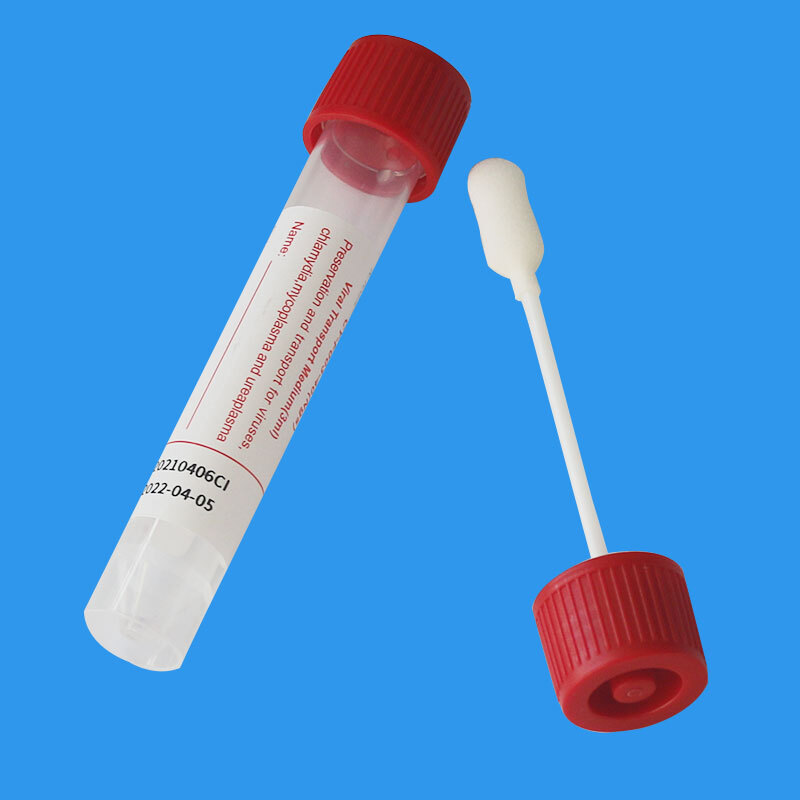
In PRP therapy, a small sample of your own blood is taken and placed in a centrifuge, a machine that spins at high speed to separate the components. The resulting plasma is significantly concentrated in platelets compared to normal blood — typically three to five times richer. This platelet-rich plasma is then injected directly into the target areas of the scalp.
When introduced to the scalp, the growth factors in PRP get to work on multiple levels simultaneously:
Stimulating dormant or weakened hair follicles back into an active growth phase
Improving microcirculation around the follicle to increase oxygen and nutrient delivery
Reducing inflammation that can suppress follicle function
Prolonging the anagen (active growth) phase of the hair cycle
Encouraging the development of new, stronger, more resilient hair strands
The process is minimally invasive, uses no synthetic chemicals, and because it comes from your own body, the risk of allergic reaction or immune rejection is extremely low.
SECTION 3
PRF and Exosome Therapy: Taking PRP Even Further
At Mansculpt Clinic, PRP is rarely used in isolation. Their approach combines PRP with two advanced complementary therapies to maximise results.
PRF — Platelet-Rich Fibrin
PRF (Platelet-Rich Fibrin) is a second-generation evolution of PRP. It contains not only platelets and growth factors but also fibrin — a natural protein that acts as a slow-release scaffold. While PRP releases growth factors relatively quickly, PRF releases them gradually over days and weeks. When both are combined in a single session, you get an immediate burst of regenerative activity followed by a sustained, prolonged delivery.
Exosome Therapy
Exosomes are microscopic extracellular vesicles produced by stem cells. They act as biological messengers — carrying signals between cells that instruct them to repair and regenerate. When applied to the scalp alongside PRP, exosomes amplify the treatment's regenerative signalling, making the overall response faster and more powerful.
Mansculpt is one of the very few clinics in London offering this tri-modality approach as a standard protocol. To learn more about their full range of male aesthetic treatments, visit their services page.
SECTION 4
Low-Level Laser Therapy (LLLT): The Science of Light for Hair
Mansculpt also offers Low-Level Laser Therapy (LLLT) as part of a combined protocol with PRP. LLLT uses a specific wavelength of red light (650nm) to increase cell energy at the mitochondrial level, promoting circulation and reducing inflammation in the scalp.
Unlike LED light therapy, which emits diffused light that affects the skin surface, LLLT uses a focused laser beam that penetrates deep into the hair shaft and follicle. When used alongside PRP, it reduces post-treatment inflammation and accelerates follicle recovery — making it one of the most effective complementary tools in modern hair restoration.
Mansculpt is one of the only clinics in London offering PRP combined with LLLT in a single integrated treatment session. |
SECTION 5
Who Is PRP Hair Treatment Suitable For?
PRP works most effectively for men who:
Are in the early to mid stages of male pattern baldness (Norwood scale stages 1 to 4)
Have hair thinning across the crown or temples but still have active follicles in those areas
Are experiencing diffuse hair thinning rather than complete bald patches
Suffer from alopecia areata and are seeking an alternative to steroid injections
Want to proactively maintain and strengthen existing hair before more significant loss occurs
PRP is not effective for men who have experienced complete, long-standing baldness where follicles have fully atrophied. The treatment works by stimulating existing follicles, not creating new ones from scratch. This is why beginning treatment at the earliest signs of thinning produces significantly better outcomes.
At Mansculpt, every client begins with a detailed scalp assessment where the practitioner maps hair loss patterns and determines whether PRP is the appropriate course of treatment, or whether it should be combined with other modalities.
SECTION 6
What to Expect: The PRP Treatment Experience at Mansculpt
A typical PRP session at Mansculpt takes between 60 and 90 minutes from start to finish. Here is a step-by-step overview:
Consultation and scalp mapping — Your practitioner conducts a thorough assessment of your scalp and hair loss pattern, discusses your goals, and confirms PRP is the right approach.
Blood draw — A small blood sample is taken from your arm, similar to a routine blood test. This takes only a minute or two.
Centrifuge processing — The sample is placed in a centrifuge and spun to isolate the platelet-rich plasma. This takes approximately 10 to 15 minutes.
Scalp preparation — The target areas are cleaned and assessed. An anaesthetic spray is available for those who prefer added comfort.
PRP injection — Mansculpt uses the FDA-approved U225 injection device, a high-precision tool that delivers PRP at controlled depth and speed. Its high-speed mechanism minimises discomfort significantly.
Aftercare briefing — Your practitioner reviews post-treatment care instructions in detail, including which products to use, activities to avoid, and what to expect in the days that follow.
There is no general anaesthetic required, no surgical incisions, and no significant downtime. Most clients are able to return to their normal routine the same day.
SECTION 7
The Recovery Timeline: What Happens After Each Session
Results from PRP are cumulative, not immediate. Understanding the recovery and progression timeline helps set realistic expectations:
Week 1
The scalp may feel sensitive, slightly tender, or appear mildly red following treatment. This is a normal inflammatory response — a sign that the body's repair mechanisms are engaged. Clients are advised to avoid strenuous exercise, saunas, steam rooms, and swimming pools during this period. Only clinic-recommended homecare products should be used.
Weeks 2 to 3
Sensitivity reduces significantly. Hair roots begin to enter an active regeneration phase. Some clients notice early improvements in hair texture or reduced shedding during brushing by this stage.
Months 1 to 6
This is where PRP truly delivers. Follicles that had become weakened or dormant start producing new, thicker hair strands. Hair density becomes visibly improved. Clients are encouraged to continue with scalp massage techniques to further boost local circulation.
6 Months and Beyond
Results are at their most visible. Significant improvements in hair density, regrowth along the hairline, and reduced hair shedding are commonly observed. Clients work with their practitioner to schedule maintenance sessions every four to six months to sustain and build on these gains.
SECTION 8
How Many Sessions Do You Need?
Most men see meaningful results after an initial course of three to six sessions, spaced four weeks apart. The exact number depends on:
The severity and stage of hair loss at the time treatment begins
Whether PRP is being used alone or in combination with PRF, exosomes, or LLLT
Individual biological response to the treatment
Consistency with recommended homecare and follow-up sessions
Mansculpt offers flexible treatment packages: a single session starts at £349, a course of three (the most popular option) is priced at £999, and a full course of six sessions is available for £1,649. Visit the Mansculpt pricing page for full details.
SECTION 9
PRP vs Other Hair Loss Treatments: An Honest Comparison
Treatment |
Invasiveness |
Downtime |
Results Duration |
PRP / PRF |
Minimally invasive |
1–2 days |
Long-lasting with top-ups |
Minoxidil (Rogaine) |
None (topical) |
None |
Only while using it |
Finasteride |
None (oral) |
None |
Only while using it |
Hair Transplant |
Surgical |
2–4 weeks |
Permanent (donor dependent) |
Laser Therapy (LLLT) |
Non-invasive |
None |
Maintained with sessions |
Keravive |
Non-invasive |
None |
Scalp health focused |
PRP's key advantage is that it is the only treatment that actively repairs and regenerates follicle tissue using the body's own biology. Medications like Minoxidil and Finasteride can slow hair loss but must be used indefinitely to maintain results. A hair transplant, while permanent, is a surgical procedure with significant cost and recovery time, and it does nothing to improve the health of the scalp itself.
PRP can also be used alongside a hair transplant — either before to improve donor scalp condition or after to accelerate healing and enhance graft survival rates.
SECTION 10
Why Mansculpt: London's Only Dedicated Male Aesthetics Clinic
The decision about where to receive PRP treatment matters. Male hair loss has unique physiological characteristics that are distinct from female hair loss. The patterns, triggers, hormonal environment, and scalp anatomy are all different — yet many clinics offer identical protocols to all clients regardless of gender.
Mansculpt was built from the ground up to treat men, and men only. This focus shapes everything: the clinical protocols, the equipment selected, the expertise of the practitioners, and the way consultations are conducted.
Here is what sets Mansculpt apart:
Practitioners trained exclusively in male hair restoration and scalp biology
FDA-approved U225 injection device for precision delivery and reduced discomfort
Combined PRP, PRF, exosome, and LLLT protocols in a single session
Two central London locations — Holborn (WC2A 1AF) and Notting Hill (W10 5SA)
Open seven days a week with extended Thursday hours for professional flexibility
Same-day online booking available with transparent pricing and no hidden costs
The team at Mansculpt includes specialists in male aesthetic medicine who bring deep clinical knowledge to every consultation. To read more about the people behind the practice, visit the meet the experts page.
SECTION 11
Keravive: The Non-Invasive Alternative for Early-Stage Hair Concerns
Not every man needs injections to address hair and scalp health. For those at the earliest stages of thinning or those looking to maintain scalp health proactively, Mansculpt offers Keravive — a non-invasive treatment delivered by the HydraFacial device.
Keravive deeply cleanses, exfoliates, and hydrates the scalp while delivering a blend of peptides and growth factors. It is ideal as:
A standalone maintenance treatment for men with healthy but thinning hair
A preparatory treatment before beginning a PRP course
A complementary protocol between PRP sessions to sustain scalp health
Single Keravive sessions start at £129, with courses of three and six available. For maximum effect, Mansculpt also offers Keravive combined with LLLT starting at £169 per session.
SECTION 12
Frequently Asked Questions About PRP Hair Treatment in London
Is PRP painful?
Most clients describe the sensation as mild pressure rather than pain. The U225 injection device used at Mansculpt is specifically designed to minimise discomfort. An anaesthetic spray is available for those with lower pain tolerance.
Can I combine PRP with other treatments?
Yes. PRP is often combined with LLLT, PRF, and exosome therapy at Mansculpt. Some clients also combine scalp treatment with other services such as laser hair removal for body hair management in the same appointment cycle.
How long until I see results?
Some clients notice changes in texture and shedding as early as weeks 2 to 3. Visible density improvements typically emerge between months one and three, with the most significant results visible at six months and beyond.
Is PRP safe?
PRP is widely considered one of the safest hair restoration procedures available because it uses your own blood components. There are no foreign substances, no risk of allergic reaction, and side effects are limited to mild, temporary scalp sensitivity.
How is PRP different from a hair transplant?
A hair transplant surgically relocates hair follicles from donor to recipient areas. PRP does not move hair — it stimulates existing follicles to produce stronger, thicker growth. Many men use PRP as a first-line treatment before considering surgery, or as a post-transplant therapy to improve results.
Does PRP work for beard hair as well?
Yes. Mansculpt also offers PRP and PRF beard rejuvenation for men who want to improve beard density, fill in patchy areas, or strengthen existing beard growth. Single beard sessions start at £249.
CONCLUSION
Take Action Before Hair Loss Advances Further
Hair loss is not static. Left untreated, it progresses — quietly but consistently. The follicles that are thinning today may be dormant next year. PRP therapy works with biology, not against it, stimulating the body's own repair systems to restore what has been weakened and protect what remains.
The window for effective non-surgical intervention is real, and it closes as follicles become permanently inactive. Early action is the single most important factor in determining how much hair can be recovered and retained over the long term.
"The earlier hair loss is addressed, the stronger the response to PRP. Follicles that are dormant but still viable will respond — but follicles that have fully atrophied cannot be revived." — Mansculpt Clinical Team |
If you are experiencing hair thinning, a receding hairline, or early-stage hair loss, now is the right time to act. Mansculpt Clinic offers consultations at their Holborn and Notting Hill locations seven days a week, with same-day online booking available. Visit www.mansculptclinic.co.uk/services/prp-hair-restoration/ to book your consultation today.