How Can I Apply to Public Universities in Italy?
-

- September 02nd, 2026
- 1,833 views
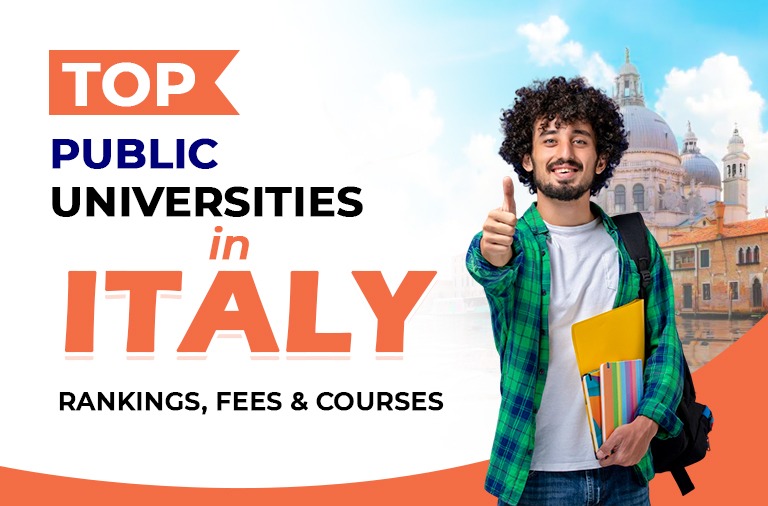
Italy is becoming a popular destination for students looking for quality education at an affordable cost. public universities in italy offer a wide range of bachelor’s and master’s programmes, including many courses taught in English. With guidance from Ooshas Global, students can understand university requirements, prepare documents, and follow the application process more confidently.
From choosing the right course to applying for a student visa, every step requires proper planning. This guide explains how international students, including Indian students, can apply to public universities in Italy.
Why Choose Public Universities in Italy?
Public universities in Italy are known for their strong academic traditions, experienced faculty, research opportunities, and internationally recognised degrees. Many universities have partnerships with institutions and companies across Europe, which can benefit students during their studies and future careers.
Some important advantages include:
Affordable tuition compared with many private universities
A wide range of study programmes
Several English-taught courses
Scholarship and financial aid opportunities
Opportunities to study in historic and culturally rich cities
Internationally recognised degrees
Access to research and internship opportunities
Possibility of building a career in Italy or other European countries
The overall cost of studying can vary depending on the university, course, and student's financial circumstances. Some students may also qualify for regional scholarships that can reduce their education and living expenses.
Step 1: Choose Your Course and Degree Level
The first step is deciding what you want to study. Italian public universities offer programmes at different levels.
You can choose from:
Bachelor’s degree programmes
Master’s degree programmes
Single-cycle degree programmes
PhD and research programmes
Students should consider their previous education, career goals, interests, and academic qualifications before selecting a course. For example, students interested in business may look for management or economics programmes, while those interested in technology can explore computer science, engineering, or data-related courses.
Step 2: Find the Right Public University
Once you know your preferred course, start comparing universities.
Do not choose a university only because it appears high in a ranking. Look at the programme details and admission requirements carefully.
Check:
Course curriculum
Language of instruction
Tuition fees
Admission requirements
Application deadlines
Entrance tests, if applicable
Scholarship opportunities
Location and living costs
Internship and career opportunities
Universities in cities such as Milan, Bologna, Rome, Turin, Florence, Padua, and Pisa can offer different academic and professional opportunities.
Step 3: Check the Admission Requirements
Every university and programme can have different requirements. Therefore, students should always check the official admission information for their selected course. For a bachelor’s programme, applicants generally need a recognised secondary school qualification that allows them to pursue higher education. For a master’s programme, students normally need a relevant bachelor’s degree or equivalent qualification.
Depending on the programme, universities may also ask for:
Academic transcripts
Passport
Curriculum vitae
Statement of purpose or motivation letter
Language proficiency certificate
Letters of recommendation
Portfolio for selected programmes
Entrance examination results
Some courses may have additional academic requirements.
Step 4: Check the Language Requirements
Italy offers both Italian-taught and English-taught programmes. If you are applying for an English-taught course, the university may ask for proof of English language proficiency. The required score depends on the programme and university. Commonly accepted tests may include IELTS, TOEFL, or other recognised qualifications, depending on the university.
For Italian-taught courses, students may need to demonstrate Italian language proficiency. Always check the specific language requirement of your selected programme before applying.
Step 5: Prepare Your Documents
Preparing documents early can make the application process much easier.
Common documents may include:
Valid passport
Academic certificates
Marksheets and transcripts
English or Italian language certificate
CV
Motivation letter
Recommendation letters, where required
Passport-size photographs
Course-specific documents
Some documents may need translation, legalisation, or other verification procedures depending on the university and the student's qualifications. Keep both digital and physical copies of important documents.
BOOK YOUR FREE COUNSELLING NOW
Step 6: Submit the University Application
After preparing your documents, you can submit your application through the university's official online application portal if the programme requires it.
You may need to:
Create an account.
Select your course.
Enter your personal and academic details.
Upload the required documents.
Pay the application fee, if applicable.
Submit the application before the deadline.
Make sure all information is accurate before submitting your application. Even a small mistake in personal or academic information can create unnecessary delays.
Step 7: Attend an Entrance Test or Interview
Not every course requires an entrance examination or interview. However, certain programmes may have selection tests, interviews, or other evaluation procedures.
Some competitive programmes may have limited seats, so students should carefully check whether their chosen course has an entrance test. If an interview is required, prepare by reviewing your academic background, motivation for choosing the course, and future career plans.
Step 8: Receive Your Admission Decision
After reviewing your application, the university will provide an admission decision.
Depending on the university and programme, you may receive:
An admission offer
Conditional admission
A request for additional documents
A rejection
If you receive an offer, carefully read the instructions and complete any required steps within the specified deadline. Do not ignore emails from the university after applying. Important information about admission, document submission, enrolment, or deadlines may be sent through email or the university portal.
Step 9: Complete the Pre-Enrolment Process
International students from outside the European Union may need to complete additional procedures before travelling to Italy. For many students, this involves pre-enrolment through the relevant Italian authorities and documentation required for the student visa process.
The exact process can depend on the student's nationality, university, course, and current regulations. Students should start this process early because university admission and visa procedures involve different timelines.
Step 10: Apply for an Italy Student Visa
After receiving the required university documentation, eligible non-EU students generally need to apply for an Italian student visa through the appropriate Italian diplomatic mission or visa application process.
Students may need documents such as:
Passport
University admission letter
Proof of financial means
Accommodation details
Health insurance
Academic documents
Visa application form
Other supporting documents
Visa requirements can change, so students should check the latest requirements before submitting their application.
Scholarships at Public Universities in Italy
One of the biggest advantages of studying at an Italian public university is the availability of financial support. International students may be able to apply for university scholarships or regional financial aid, depending on eligibility.
Scholarships can sometimes provide benefits such as:
Tuition fee reductions or exemptions
Accommodation support
Meal benefits
Financial assistance
A well-prepared scholarship application can make studying in Italy considerably more affordable. Students should check application deadlines separately because scholarship deadlines may not be the same as university admission deadlines.
Career Opportunities After Graduation
Studying at a public university in Italy can provide students with academic knowledge as well as opportunities to gain international experience.
Depending on the course, students may explore careers in areas such as:
Engineering
Information technology
Business and management
Finance
Architecture
Design
Healthcare
Research
Tourism and hospitality
Internships, university career services, networking events, and practical projects can help students understand the job market and develop useful professional skills. International students should also research Italy's current post-study work and residence rules before making long-term career plans, as immigration regulations can change.
How Ooshas Global Can Help
Applying to an overseas university can involve several steps, from selecting a suitable course to preparing documents and understanding visa procedures. Ooshas Global can help students navigate the study-abroad process by providing guidance on university selection, applications, documentation, scholarships, and visa preparation. Getting professional guidance can be particularly useful for students who are applying abroad for the first time and are unsure about deadlines or admission requirements.
Important Tips Before Applying
Before submitting your application, keep these points in mind:
Start researching universities well in advance.
Check the exact eligibility requirements for your course.
Keep track of university and scholarship deadlines.
Prepare documents before the application period.
Check whether your course requires an entrance test.
Verify language requirements.
Use the university's official application portal.
Keep copies of all submitted documents.
Check your email and university portal regularly.
Begin visa preparation after receiving the required admission documents.
Conclusion
Applying to public universities in Italy can be a great option for students seeking quality education, international exposure, and affordable study opportunities. The process becomes easier when you carefully select your course, check eligibility, prepare documents, submit applications on time, and plan your visa process early. With proper research and preparation, students can take the right steps toward studying in Italy and building valuable academic and career opportunities.
Get in touch:-
Company Name: Ooshas Global
Phone no: +91- 98 7586 3347
Website: https://ooshasglobal.com
Email: [email protected]
Address : 105A, first floor, Geetanjali Towers Geetanjali Tower, Ajmer Rd, Jai Ambey Colony, Civil Lines, Jaipur, Rajasthan 302006.