Complete Guide to Pure Protein Shakes for Athletic Performance and Recovery
-

- February 23rd, 2026
- 1,653 views

FREE SEO Topical Map Generator: Find Your Next Content Ideas
Pure protein shakes can be a convenient source of concentrated protein tailored to support athletic performance, muscle recovery, and daily protein needs. When used appropriately as part of a balanced diet, pure protein shakes provide digestible amino acids that contribute to muscle protein synthesis and can help athletes meet higher protein targets.
- Pure protein shakes supply concentrated protein to support recovery and muscle maintenance.
- Types include whey, casein and plant-based proteins with different digestion rates.
- Recommended timing: post-workout and to meet daily protein targets (1.2–2.0 g/kg for many athletes).
- Check ingredient lists for additives, sugar, and protein quality indicators like amino acid profile.
- Consult registered dietitians or sports nutrition professionals for individualized plans.
Pure protein shakes: benefits and role in athletic performance
Pure protein shakes deliver concentrated protein with limited additional calories or carbohydrates when formulated as such. For athletes, benefits often cited in research and position statements from the American College of Sports Medicine and the International Society of Sports Nutrition include supporting muscle repair after resistance exercise, assisting recovery between training sessions, and helping protect lean mass during periods of energy deficit.
How pure protein shakes work: protein quality and amino acids
Protein quality is determined by amino acid composition and digestibility. Proteins rich in essential amino acids—especially leucine—are most effective at stimulating muscle protein synthesis. Faster-digesting proteins (for example, whey) raise amino acid levels in blood more quickly, while slower-digesting proteins (for example, casein) provide a sustained release. Plant proteins can be combined to improve amino acid completeness.
Types of protein used in shakes
Whey protein
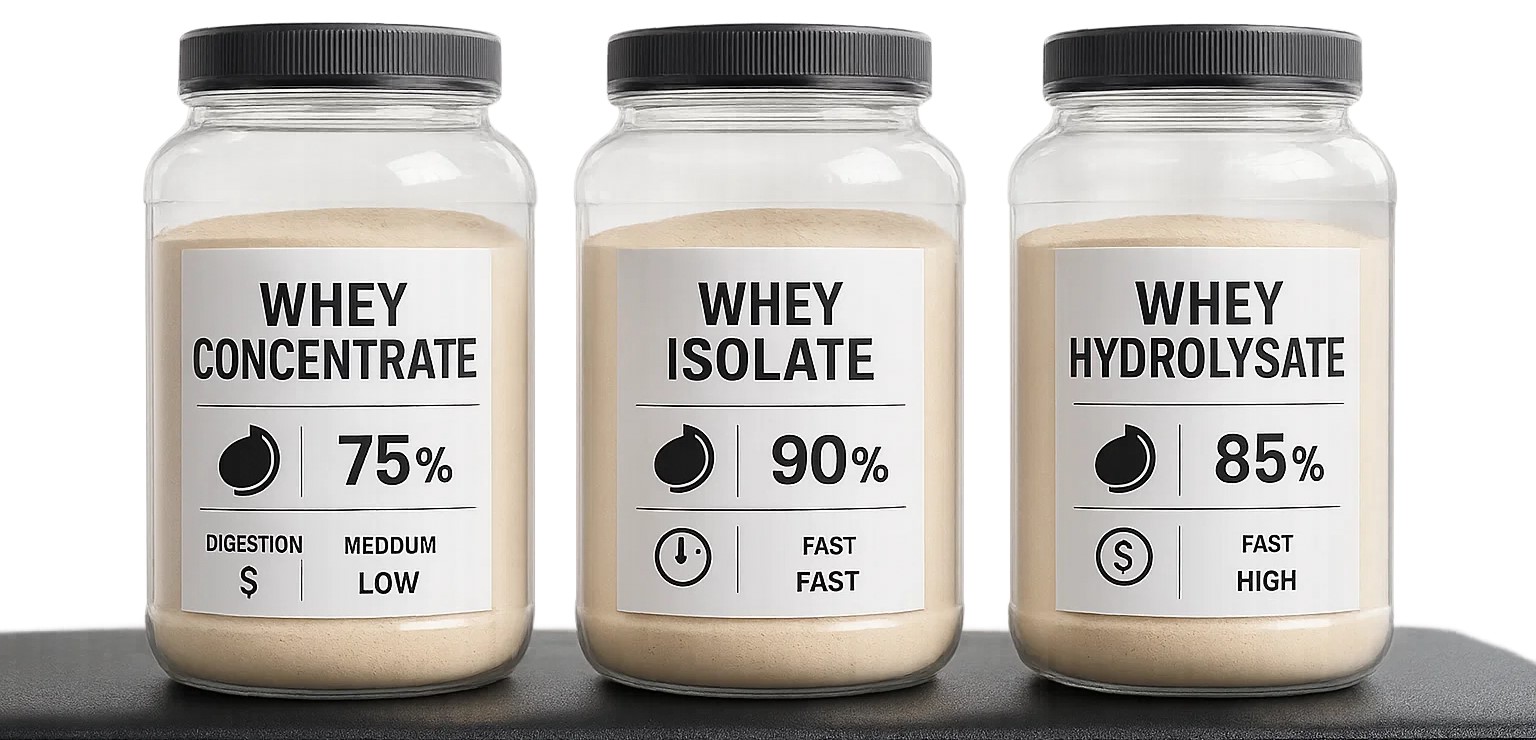
Whey is derived from milk and is high in essential amino acids and leucine. It is commonly used for rapid post-exercise recovery due to its fast digestion.
Casein protein
Casein digests more slowly and may be used to provide a gradual supply of amino acids, often recommended before longer periods without food, such as sleep.
Plant-based proteins
Plant proteins include soy, pea, rice and blends. Blended plant proteins often aim to complement amino acid profiles to approach the completeness of animal proteins. These are suitable for athletes following vegetarian or vegan diets or with dairy intolerance.
Timing, dosing, and daily protein targets
Daily protein needs for athletes often exceed general population recommendations. Many sports nutrition sources recommend a range of about 1.2–2.0 grams per kilogram of body weight per day, varying by sport, training intensity, and goals. Distributing protein evenly across meals (e.g., 3–4 servings per day) and consuming a protein-containing serving soon after exercise can support recovery and adaptation. Single-serving pure protein shakes frequently provide 15–30 grams of protein, a range commonly used post-workout.
Choosing and evaluating pure protein shakes
When selecting a product, review the ingredient list and nutrition facts. Key considerations include:
- Protein amount per serving and amino acid profile.
- Added sugars, artificial sweeteners, and flavoring agents.
- Presence of contaminants or banned substances—look for third-party testing if competing in regulated sports.
- Allergen information and suitability for dietary preferences (e.g., dairy-free, vegan).
Regulatory oversight varies by country; in the United States, dietary supplement labeling is overseen by the U.S. Food and Drug Administration, while safety assessments and health claims may reference other agencies such as the European Food Safety Authority in Europe.
Practical considerations: mixing, digestion, and side effects
Mixing instructions and liquid choice affect palatability and absorption rate. Some athletes tolerate liquid-only shakes better around workouts; others prefer shakes with small amounts of carbohydrate for glycogen replenishment after intense sessions. Gastrointestinal tolerance varies—those with lactose intolerance may prefer lactose-free or plant-based proteins. Excessive protein intake without adequate fluid and overall balanced nutrition can be counterproductive; hydration and whole-food sources should remain central.
Evidence and professional guidance
Systematic reviews and position stands from professional organizations address protein timing, dose-response relationships, and performance outcomes. For concise, evidence-based consumer information on protein needs and sources, consult resources such as the U.S. National Institutes of Health Office of Dietary Supplements for summaries on protein and dietary patterns: ods.od.nih.gov — Protein Fact Sheet. For sport-specific recommendations, consider guidance from certified sports dietitians or national sports medicine organizations.
Safety, testing, and special populations
Athletes subject to anti-doping rules should choose products tested by reputable third-party programs that screen for banned substances. Adolescents, pregnant or lactating individuals, and people with certain medical conditions should seek personalized advice from licensed health professionals or registered dietitians before substantially increasing protein intake. This article does not provide medical advice.
Integrating pure protein shakes into a training plan
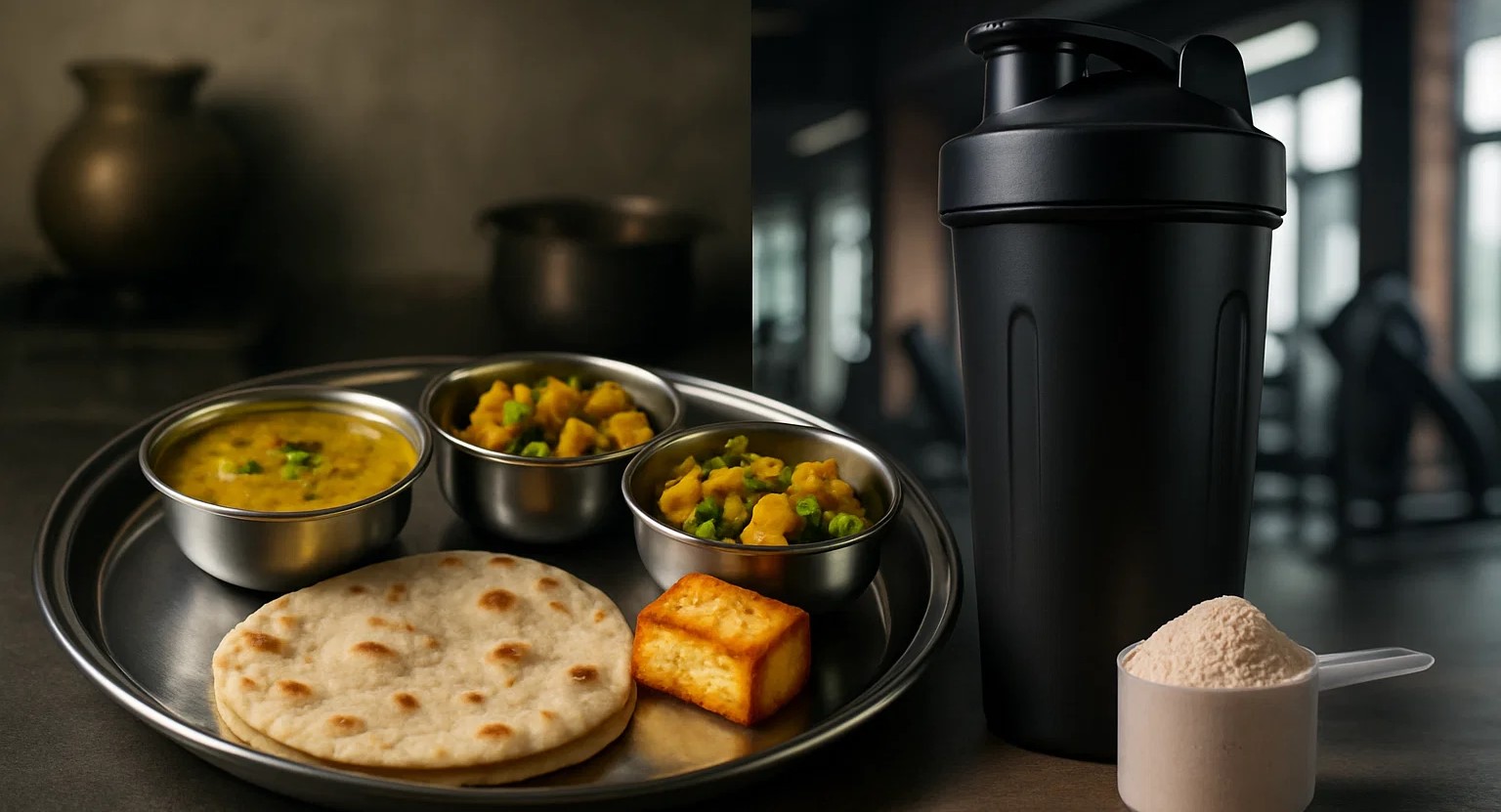
Use pure protein shakes as a complement to whole foods rather than a sole protein source. Examples of practical uses include a post-resistance training shake to supply a rapid dose of essential amino acids, a quick protein snack between sessions, or a bedtime shake with slower-digesting protein to reduce overnight muscle breakdown. Monitor total daily protein intake and adjust based on training load, recovery metrics, and professional input.
Frequently asked questions
Are pure protein shakes effective for improving athletic performance?
Pure protein shakes can support recovery and muscle repair, which indirectly supports performance when combined with appropriate training and nutrition. Evidence supports their role in meeting higher protein needs and enhancing muscle protein synthesis when timing and dose are considered alongside whole-food intake.
How much protein per shake is recommended for recovery?
Common post-exercise recommendations range from 15 to 30 grams of high-quality protein per serving, depending on body size and training goals. Spreading protein intake across the day also supports recovery and adaptation.
Do pure protein shakes have side effects?
Most people tolerate moderate servings well. Potential side effects include gastrointestinal discomfort in individuals with lactose intolerance or sensitivities to specific ingredients. Very high protein intakes may require medical supervision for people with kidney disease or other health conditions.
Can vegetarian or vegan athletes use pure protein shakes?
Yes. Plant-based protein powders and blends can meet athletes' needs when chosen to provide a complete amino acid profile and used to reach daily protein targets.
How should athletes select tested and safe products?
Look for third-party testing seals from independent laboratories that screen for purity and banned substances, review ingredient lists for unnecessary additives, and consult sports nutrition professionals for product recommendations suitable for competitive contexts.
Are pure protein shakes suitable for weight management?
Protein-rich shakes can help manage appetite and preserve lean mass during calorie-restricted periods, but overall energy balance and individual dietary patterns determine weight outcomes. Use shakes strategically and under guidance when needed.