Greenville Car Shipping Guide: Reliable Auto Transport Across South Carolina
-

- March 21st, 2026
- 165 views

Get a free topical map and start building content authority today.
Greenville car shipping: what to expect and how to choose
Greenville car shipping is a high-intent service search for vehicle owners moving a car within or into South Carolina. This guide explains the main transport options, cost drivers, preparation steps, and how to verify credentials so that a vehicle arrives safely and on time.
Key points: compare open vs enclosed transport, use the SHIP checklist before pickup, get written terms and insurance details, expect cost variation by distance and season, and confirm carrier registration and safety ratings.
Auto transport South Carolina: main options and trade-offs
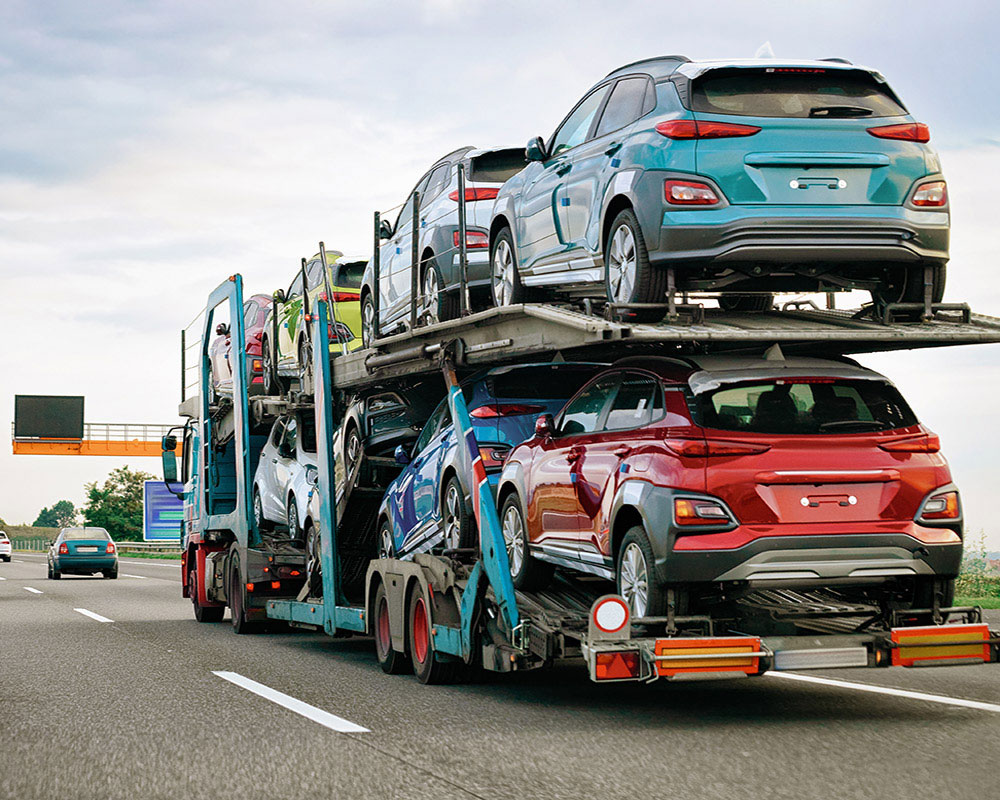
Two common methods are open carrier transport and enclosed carrier transport. Open carriers are the most economical and handle the majority of moves. Enclosed carriers protect vehicles from weather and road debris but cost more—typical when transporting classic, luxury, or high-value cars. Another option is door-to-door vehicle shipping versus terminal-to-terminal pickup: door-to-door is more convenient but may cost more and face schedule constraints in dense or restricted areas.
Cost drivers and timing
Costs depend on distance, vehicle size, seasonal demand, fuel prices, route accessibility, and required services (expedited pickup, enclosed transport, or door-to-door service). Short local moves within Greenville will behave differently from long-distance transport to or from other states.
SHIP checklist: a practical framework before booking
Use the SHIP checklist (Schedule, Health, Insurance, Paperwork) to prepare and avoid surprises:
- Schedule — Book early for peak seasons and confirm pickup window and delivery estimate.
- Health (vehicle) — Inspect and document the vehicle condition, take photos, and note existing damage.
- Insurance — Verify carrier insurance limits and whether additional coverage is needed; ask for a Certificate of Insurance if required.
- Paperwork — Prepare title, registration, and a valid ID; leave a copy of vehicle keys as instructed.
Common mistakes when shipping a car
Common mistakes include failing to remove personal items, not documenting pre-existing damage, neglecting to check the carrier’s DOT number and insurance, and choosing the cheapest option without confirmation of carrier reliability. Each can cost time, money, or coverage disputes.
How to verify carrier credentials and safety
Confirm registration with the Federal Motor Carrier Safety Administration and look up carrier safety ratings and complaint history. The FMCSA database is the official source for carrier registration and compliance records. Also confirm liability coverage and get terms in writing.
Practical scenario: moving a sedan from Greenville to Charleston
Scenario: A 2015 mid-size sedan needs transport from Greenville to Charleston in late spring. Desired service: door-to-door, flexible two-day pickup window, and basic carrier insurance. Using the SHIP checklist, the owner documents the vehicle, books two weeks in advance, chooses an open carrier for cost efficiency, and requests a photo confirmation at pickup and delivery. Result: predictable pricing, on-time delivery, and documented condition on both ends.
Practical tips for a smooth vehicle transport
- Get at least three written quotes that include pickup/delivery windows and insurance limits.
- Photograph the vehicle from multiple angles on the pickup day; timestamped images are ideal.
- Remove all personal items to avoid denied coverage and added weight charges.
- Confirm the carrier’s DOT number and insurance coverage before handing over keys.
- Be flexible with pickup and delivery windows to reduce costs and missed connections.
Core cluster questions
- What affects the price of car shipping within South Carolina?
- When is enclosed auto transport worth the extra cost?
- How to prepare a vehicle for long-distance transport?
- What documentation is required for interstate vehicle shipping?
- How does door-to-door vehicle shipping differ from terminal pickup?
Trade-offs to consider
Cost vs. protection
Open carriers are cheaper but expose vehicles to the elements. Enclosed carriers minimize risk for high-value vehicles but can cost 30–100% more depending on route and demand.
Convenience vs. accessibility
Door-to-door services are more convenient but may not be available in tight or congested neighborhoods. Terminal pickup or delivery can be less expensive and more reliable on fixed routes.
What to include in the contract
Contracts should state pickup/delivery windows, total price, cancellation policy, carrier DOT number, insurance limits, and the dispute-resolution path. Avoid verbal-only agreements.
Signs of a reliable transporter
- Active DOT registration and verifiable safety record.
- Clear written contract and an itemized quote.
- Professional communication, documented pickup, and delivery procedures.
- Ability to provide proof of insurance and written claims process.
Extra considerations for South Carolina shipments
South Carolina coastal routes can create seasonal demand spikes. Plan around university move-in/out and holiday periods. For vehicles moved through ports, verify any additional terminal handling fees or customs paperwork if crossing international borders.
Final checklist before pickup
- Photographs of the vehicle (all sides, interior, odometer).
- Remove personal items and loose accessories.
- Confirm pickup address, contact, and time window.
- Collect written insurance limits and carrier DOT number.
- Prepare keys and signed title/authorization if requested.
When to escalate a claim
If damage is discovered on delivery, note it on the bill of lading immediately, take photographs, and start the claims process with the carrier. If the carrier’s response is inadequate, regulatory complaints can be filed with FMCSA and state consumer protection agencies.
Useful terms and related concepts
Terms to know: bill of lading, carrier liability, released value coverage, declared value, terminal-to-terminal, door-to-door vehicle shipping, enclosed vs. open transport. Using these terms when requesting quotes clarifies expectations and coverage.
FAQ
How much does Greenville car shipping cost?
Prices vary widely: short in-state moves can be relatively inexpensive, while long-distance or enclosed transport can be significantly higher. Expect cost factors to include distance, vehicle size, transport type, and season. Getting multiple written quotes and confirming insurance details will produce the most reliable estimate.
What is the difference between open and enclosed transport?
Open transport moves many vehicles on a single trailer and is the standard, economical option. Enclosed transport carries fewer vehicles inside a covered trailer for protection from weather and debris; it is commonly used for classic, luxury, or specialty cars.
How far in advance should a vehicle be booked?
Book as early as possible for peak seasons (spring, summer, and college move times). For non-peak moves, one to two weeks’ notice is often sufficient, but longer-distance routes may require more lead time.
Can personal items be left in the vehicle?
Most carriers prohibit valuables inside the vehicle and may limit personal items due to weight and insurance restrictions. Remove personal belongings to avoid denied claims and extra charges.
How to check a carrier’s safety and registration?
Verify the carrier’s DOT number and safety record through the Federal Motor Carrier Safety Administration database to confirm active registration and view inspection and complaint history.