A Practical Guide to Choosing Quality Food for Everyday Dining
-

- Published Updated
- 9,467 views

Introduction
Choosing the right food for daily meals is more important than it seems. It’s not only about satisfying hunger but also about maintaining health, comfort, and consistency. With so many dining and takeaway options available today, people often get confused about what to choose. Instead of relying on advertisements or trends, following a structured approach can help in making better food decisions.
1. Focus on Ingredient Quality
The foundation of any good meal lies in the quality of its ingredients. Fresh vegetables, properly stored meat, and balanced spices contribute significantly to both taste and nutrition. When food tastes natural and not overly processed, it usually indicates better ingredient quality.
A simple way to judge this is by consistency. If the taste remains stable across multiple visits or orders, it reflects proper sourcing and preparation standards. Overly oily or artificially flavored food should generally be avoided for regular consumption.
2. Look for a Balanced Menu
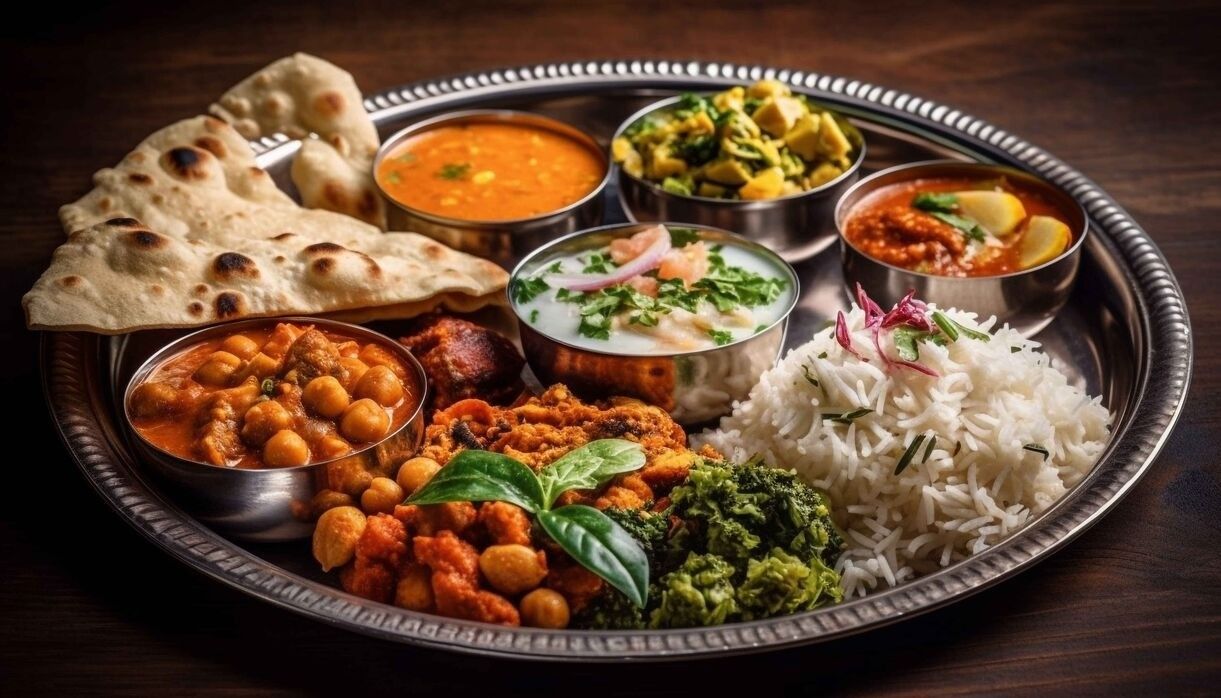
A well-designed menu should offer variety without being overwhelming. Ideally, it should include both light and rich food options. For example, meals that combine grilled items like kebabs with traditional curry dishes provide flexibility in choosing according to mood and appetite.
This becomes especially useful for families or groups where different people have different preferences. A balanced menu ensures that everyone can find something suitable without compromise.
3. Check Hygiene and Food Safety
Hygiene is one of the most critical factors when selecting a food place. Clean preparation methods, proper packaging, and overall maintenance directly impact health. Even if you cannot see the kitchen, you can still evaluate hygiene through indirect signs like freshness, presentation, and customer feedback.
Food that looks clean, smells fresh, and is served properly usually indicates good hygiene practices. This is particularly important for those who order food frequently.
4. Evaluate Portion Size and Value
Good food should feel worth its price. Portion size plays an important role here. Meals that are too small may not be satisfying, while overly large portions can lead to waste.
For families or groups, shareable portions are often more practical. They allow people to try multiple dishes without over-ordering. A balance between price, quantity, and quality is what makes a food option sustainable for regular use.
5. Consider Takeaway and Delivery Reliability
In today’s busy lifestyle, takeaway and delivery services are just as important as dine-in experiences. Many people rely on ordering food due to time constraints. Therefore, it’s essential to choose places that maintain food quality even after packaging.
Reliable food providers ensure that the taste, texture, and freshness remain intact during delivery. Proper packaging also prevents leakage and keeps the food enjoyable when it reaches home.
6. Adaptability to Different Taste Preferences
Not everyone enjoys the same type of food. Some prefer mild flavors, while others look for spicy and rich dishes. A good food provider should cater to different taste preferences.
Menus that offer a range of spice levels or diverse dishes make it easier for mixed groups to enjoy meals together. Flexibility in food choices is a key factor in long-term satisfaction.
7. Observing Consistency Over Popularity
Many people choose food places based on trends or popularity, but consistency is more important. A place that delivers good taste regularly is more reliable than one that is popular for a short period.
While exploring options, you might come across names like Fletcher Kebab & Curries in discussions about casual dining. Instead of focusing on popularity, it is better to evaluate such places based on general factors like taste consistency, hygiene, and overall experience.
8. Importance of Comfort and Experience
Food is not just about eating—it’s also about the overall experience. A comfortable and relaxed environment enhances the enjoyment of a meal. Whether dining out or eating at home, the way food is served and presented can affect satisfaction.
For families, especially, a calm and pleasant experience makes meals more enjoyable and memorable.
9. Build Reliable Food Choices Over Time
Instead of frequently switching between different food places, it is more practical to identify a few reliable options. Once you find a place that consistently delivers good quality, it becomes easier to depend on it for regular meals.
This approach saves time, reduces risk, and ensures a stable dining experience.
Conclusion
Choosing the right food for everyday dining requires attention to several factors, including ingredient quality, hygiene, menu balance, and consistency. By focusing on these aspects instead of trends or promotions, it becomes easier to make informed decisions.
Over time, this structured approach helps in building reliable food habits that are both satisfying and practical. Whether dining out or ordering at home, thoughtful selection ensures that every meal contributes positively to your daily routine.