Business Roadshow Comfort: Service, Logistics, and Executive Travel Guide
-
- March 11th, 2026
- 272 views

Get a free topical map and start building content authority today.
Organizing travel, meetings, and equipment for a multi-city visit requires attention to detail, reliable vendors, and contingency planning. This guide explains how to deliver consistent business roadshow comfort from planning through post-event recovery. Read the COMFORT framework and step-by-step checklist to improve service, minimize stress, and protect productivity on the road.
- Primary focus: ensure consistent business roadshow comfort and service across locations.
- Use the COMFORT framework and a short logistics checklist to standardize planning.
- Key actions: transport planning, venue suitability checks, rest and tech readiness.
Procedural
Plan business roadshow comfort from start to finish
Quality service and comfort begin before departure. Decide travel modes, hotel standards, and venue accessibility early. The primary goal is to reduce friction for presenters and clients while protecting time-sensitive materials and digital assets. Use a centralized itinerary, pre-booked transportation, and a local point-of-contact for every stop.
COMFORT framework: a named checklist for consistent service
The COMFORT framework provides a repeatable model organizers can apply to every leg of a roadshow.
- Choose carriers and hotels with reliable reviews and flexible change policies.
- Organize overnight logistics: arrivals, luggage handling, and nearby dining options.
- Mobility planning: on-site transfers, equipment handling, and route buffers.
- Food and hydration: avoid late-night travel fatigue with scheduled meal windows.
- Onsite prep: AV checks, stage layout, seating comfort, and backline support.
- Rest and recovery: enforce rest periods and room standards for presenters.
- Technology and tracking: asset tags, portable hotspots, and itinerary sync.
Short COMFORT checklist (actionable)
- Confirm hotels with guaranteed late check-in and quiet-room options.
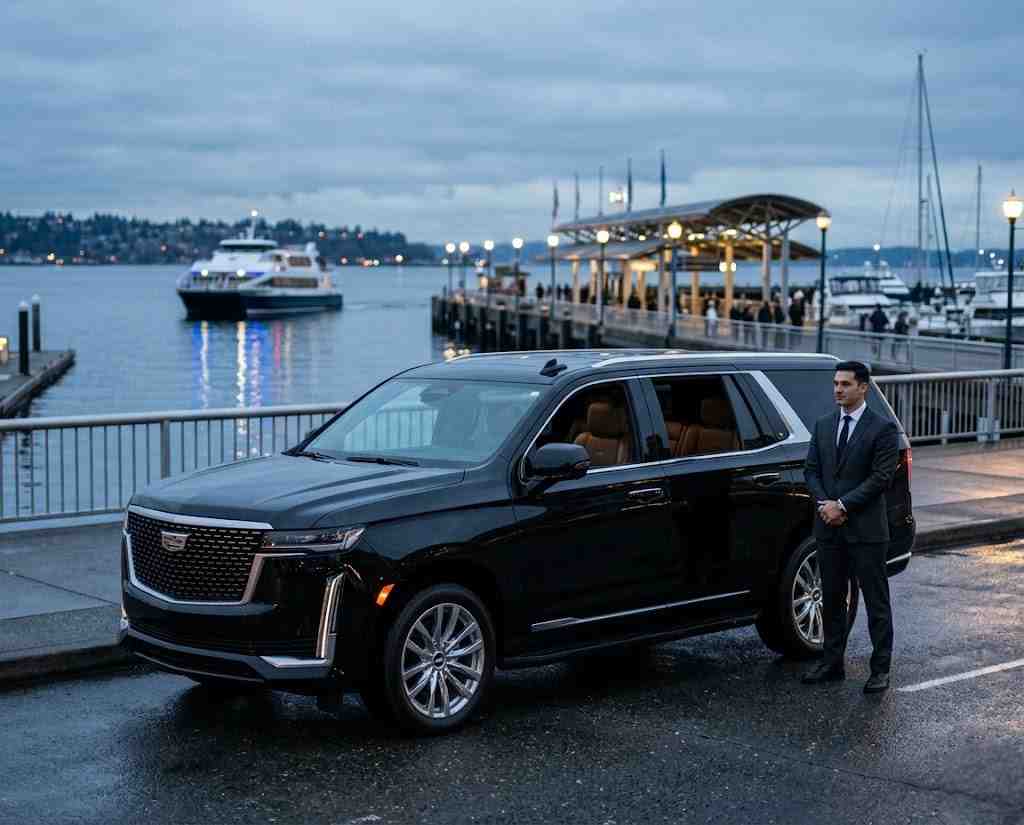
- Reserve a branded vehicle or vetted driver for same-day transfers.
- Test AV and internet at the venue 24 hours before opening.
- Create a single shared itinerary with contact numbers, addresses, and weather notes.
Operational steps and logistics
Before departure
- Collect mobility needs (wheelchair access, dietary restrictions) from all attendees.
- Book flexible travel and confirm baggage allowances for equipment.
- Map travel time with buffer zones—account for traffic, load-in, and local regulations.
On the road
- Implement a daily check-in routine: confirmations 12 hours and 2 hours before key events.
- Maintain a travel kit: chargers, power banks, presentation backups, first-aid basics.
- Keep one person responsible for vendor relations (hotel, caterer, venue tech).
Venue and attendee comfort — service-level considerations
Comfort is both physical (seating, temperature, food) and operational (timing, communication). Evaluate venues for sight lines, step-free access, reliable HVAC, and convenient restrooms. For executive attendees, include quiet rooms and secure storage for personal items.
Accessibility and standards
Follow local accessibility standards and check venue blueprints early. For health-related guidance on business travel, consult public health resources when planning international travel: CDC business travel guidance.
Practical tips to improve service and reduce stress
- Designate a single itinerary source (shared calendar or travel app) and keep it updated in real time.
- Pre-pay where possible to reduce cash handling and last-minute changes.
- Choose hotels with business centers and 24-hour front desk support to resolve unexpected needs.
- Pack a compact "presentation kit" including HDMI adapters, laser pointer, and USB backups.
Trade-offs and common mistakes
Trade-offs often involve cost vs. consistency. Upgrading to premium hotels and private transport reduces risk but increases budget. Common mistakes include:
- Relying on last-minute bookings that lack guarantees for meeting rooms or AV.
- Overloading schedules without recovery time—this reduces presenter effectiveness.
- Not confirming local vendor credentials (e.g., drivers, equipment tech), which can lead to delays.
Real-world example: a four-city investor roadshow
A mid-size firm planned investor meetings in four major cities over six days. Using the COMFORT framework, the coordinator booked the same hotel chain in each city for predictable room quality, reserved a dedicated van for tight transfer windows, and scheduled AV checks the evening before each event. The shared itinerary reduced no-shows and the portable presentation kit solved an incompatible connector issue on day two. Small upfront investments—flexible fares, same-brand hotels, and a local day-of contact—prevented two potential cancellations and kept sessions on schedule.
Core cluster questions
- How should travel and lodging be coordinated for multi-city corporate roadshows?
- What are the essential items for a roadshow presentation kit?
- How to evaluate venues for accessibility and AV reliability?
- What contingency plans are recommended for equipment failure during events?
- Which roles should be assigned within a roadshow team to ensure consistent service?
Practical checklist to use the day before each event
- Confirm hotel rooming list and special requests (diet, accessibility).
- Run a full tech rehearsal at the venue with a test file.
- Check local transport ETA and assign a backup vehicle.
- Print directional signs and prepare name badges the night before.
When to hire outside help
Consider a local event manager when multiple venues, speakers, or regulated materials are involved. Outsourcing day-of logistics reduces risk but adds cost; use it for high-stakes meetings or when unfamiliar with local rules.
FAQ: How can organizers ensure business roadshow comfort for executives?
Guarantee rest windows, choose quiet room types, pre-book private transfers, and ensure venues have reliable AV and Wi-Fi. Standardize expectations with hotels and confirm special needs in writing.
FAQ: What should be in a roadshow presentation kit?
Include adapter cables (HDMI, USB-C), spare laptop, PDF backup on a USB drive, portable projector if needed, chargers, power strip, and printed handouts.
FAQ: How much buffer time is needed between meetings?
Plan a minimum 60–90 minutes for city transfers within urban areas, and 2–3 hours between distant stops or when moving equipment. Add extra time for peak traffic periods.
FAQ: Can the COMFORT framework be adapted for small teams?
Yes. Reduce scale by combining roles (e.g., one person handling both mobility planning and onsite prep) but keep the framework's categories to maintain consistency.
FAQ: Are there standard service-level expectations for corporate roadshows?
Expectations include timely transport, quiet overnight rooms, reliable AV, accessible venues, and a single itinerary source. Document service levels in vendor contracts before confirming bookings.
Use the COMFORT checklist and the practical tips above to reduce surprises and keep focus on the roadshow's objectives: clear presentations, engaged audiences, and efficient use of executive time.