How to Recognize and Avoid Black-Market Hair Transplants and Illicit Clinics
-

- Published Updated
- 1,643 views
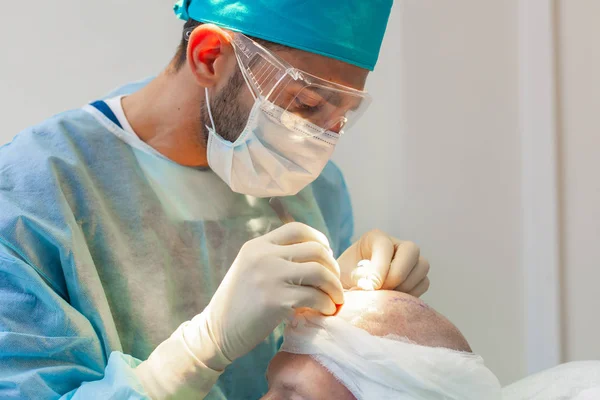
Growing demand for cosmetic procedures has led to an increase in black-market hair transplants. This article explains what black-market hair transplants are, why they are risky, how to spot illicit clinics, and what options exist for verifying qualified providers and reporting dangerous practices. The goal is to provide clear, factual information to help consumers make safer choices.
- Black-market hair transplants are unregulated procedures performed by unlicensed or inadequately trained individuals.
- Risks include infection, scarring, poor cosmetic outcomes, and exposure to bloodborne pathogens.
- Verify credentials with medical boards, check facility accreditation, and seek documented informed consent.
- Report suspect clinics to state or national health regulators and professional societies.
What are black-market hair transplants?
Black-market hair transplants refer to hair restoration procedures performed outside regulated medical practice. These may be offered in unlicensed clinics, temporary setups, or through operators who lack formal surgical training, proper sterilization protocols, or legal authority to perform invasive procedures. Techniques promoted in these settings may mimic standard methods (such as follicular unit extraction or strip surgery) but are carried out without appropriate safeguards.
Why black-market hair transplants are risky
Illicit clinics and unregulated providers often do not follow accepted standards for patient safety, infection control, tissue handling, or anesthesia. Risks associated with black-market hair transplants include:
- Severe infection and surgical-site complications due to inadequate sterilization.
- Poor cosmetic results, including patchy hair growth, unnatural hair direction, and visible scarring.
- Transmission of bloodborne pathogens if instruments are reused or single-use supplies are compromised.
- Use of counterfeit or inappropriate medicines and local anesthetics with uncertain quality.
- Financial loss or extortion if deposits are taken and follow-up care is unavailable.
How to identify illicit clinics and unsafe offers
Recognizing red flags can reduce the chance of receiving a black-market hair transplant. Common warning signs include:
- Prices that are substantially lower than reputable clinics in the region without clear explanation.
- No evidence of medical licensing, board certification, or surgical credentials for the practitioner.
- Clinic locations in nonmedical settings (e.g., private homes, temporary offices, hotels) or events that offer on-site procedures.
- Lack of a formal consent process, preoperative assessment, or postoperative follow-up plan.
- Pressure to pay large deposits in cash or to accept treatment on the same day as the consultation.
Steps to verify a legitimate hair transplant provider
While no single check eliminates all risk, several verification steps help identify licensed and reputable providers:
- Confirm the practitioner's license and registration with the state medical board or national regulator and review any disciplinary history.
- Ask for documentation of surgical training and board certification in relevant specialties (for example, dermatology or plastic surgery) and verify with the issuing organization.
- Check whether the facility is accredited by recognized health-care accreditation bodies or inspected by local health authorities.
- Request details about infection control practices, anesthesia arrangements, and the origin and handling of graft tissue.
- Seek multiple consultations and obtain clear written estimates, preoperative instructions, and postoperative care plans before committing.
Legal and regulatory considerations
Regulators such as state medical boards, licensing authorities, and public health departments set practice standards and investigate complaints about unlicensed clinics. Professional societies (for example, the International Society of Hair Restoration Surgery) publish best-practice guidance and may provide resources for verifying specialists. In many jurisdictions, offering invasive procedures without appropriate licensure can lead to criminal charges, fines, and closure of the facility.
For authoritative patient guidance and resources on credential verification, see the International Society of Hair Restoration Surgery: International Society of Hair Restoration Surgery.
What to do if there are complications or suspect a black-market provider
If a complication or poor outcome occurs following a hair transplant, seek care from an appropriately licensed medical practitioner promptly. Providers such as dermatologists, plastic surgeons, or general surgeons can evaluate infections, wound healing issues, and graft complications. Report suspected illegal activity or unlicensed practice to the local health department, state medical board, or consumer protection agency. Documentation, receipts, photographs of the facility and the outcome, and any communication with the provider can assist regulators and investigators.
How are patient safety and infection control normally regulated?
In regulated settings, infection control follows standards set by public health agencies and accrediting bodies. These standards include instrument sterilization, use of single-use disposables when indicated, proper facility hygiene, and staff vaccinations where required. Facilities are usually subject to inspections and must retain records of sterilization and staff training.
Alternatives and safer choices
Consider consulting licensed specialists who can discuss non-surgical and surgical options, candidacy, realistic expectations, and risks. Independent second opinions and clear, documented informed consent help set expectations and reduce the chance of poor outcomes.
Frequently asked questions
What are the signs of black-market hair transplants?
Signs include unusually low prices, lack of visible credentials, procedures performed in nonmedical locations, no written consent or postoperative plan, cash-only payments, and pressure to proceed immediately. Photographic evidence of the facility and documentation of communications can help verify concerns.
Are black-market hair transplants dangerous?
Yes. Procedures performed without appropriate licensing, sterile technique, or trained personnel carry increased risk of infection, scarring, graft failure, and other complications. There is also a risk of exposure to contaminated instruments and counterfeit medications.
How can a patient check a provider’s credentials?
Verify medical licenses through state or national medical boards, confirm board certification with professional organizations, check facility accreditation, and ask for documented evidence of training and experience. Independent online reviews and referrals from trusted health professionals can provide additional context.
Can black-market hair transplants be reported?
Yes. Report suspected illegal or unsafe activity to the state medical board, local health department, consumer protection agency, or law enforcement. Professional societies may also accept complaints or provide guidance on next steps.
Are there safer, regulated alternatives to black-market hair transplants?
Yes. Licensed dermatologists and plastic surgeons who specialize in hair restoration offer regulated surgical and nonsurgical treatments with established safety protocols, preoperative evaluation, and documented follow-up care. Seeking multiple consultations and reviewing credentials reduces the risk of choosing an illicit provider.
Related Articles