Modern Restaurant Delivery Fleet Management: Efficiency, Safety, and Sustainability
-
- Published Updated
- 1,455 views
Updating restaurant delivery fleet management starts with a clear strategy that balances timely orders, driver safety, and cost control. This guide explains practical systems—route optimization, telematics, order management integration, and maintenance practices—that help restaurants modernize delivery operations without sacrificing food safety or customer experience.
- Prioritize route optimization and last-mile planning to reduce delivery times and fuel use.
- Use telematics and driver scorecards to improve safety and accountability.
- Integrate order management and POS systems to reduce errors and manage capacity.
- Implement maintenance schedules and cold-chain controls to protect food quality.
- Consider electrification and sustainability policies for long-term cost and emissions benefits.
Core elements of restaurant delivery fleet management
Effective restaurant delivery fleet management combines technology, process design, and people management. Key elements include route optimization, vehicle tracking and telematics, last-mile delivery planning, order management system integration, driver training, regulatory compliance, vehicle maintenance, and customer communication. Each element contributes to on-time deliveries, reduced operating costs, and safer working conditions for drivers.
Route optimization and last-mile delivery
Route optimization reduces mileage and delivery time by using algorithms that consider traffic, delivery windows, and order batching. Last-mile strategies—such as clustering orders by neighborhood and scheduling delivery windows—improve driver productivity and customer satisfaction. Tools that support real-time rerouting and predictive ETAs help reduce missed windows and unnecessary mileage.
Telematics and fleet tracking
Telematics systems capture vehicle location, speed, idle time, and fuel usage. Aggregated telematics data enables fleet managers to identify inefficient routes, monitor driver behavior, and schedule preventive maintenance. Driver scorecards based on safety metrics can support training programs and incentives for safer driving.
Order management and POS integration
Integrating the order management system with delivery operations reduces manual entry errors and ensures drivers receive complete order details, special instructions, and temperature requirements. Coordination between kitchen prep times and delivery scheduling reduces wait times and helps maintain food quality during transport.
Safety, compliance, and food quality
Safety and food quality are central to responsible restaurant delivery fleet management. This involves driver training, vehicle inspections, temperature-controlled transport (cold chain), and awareness of local health rules. Follow guidance from public health authorities and local health departments when establishing handling and holding-time policies. For federal guidance on food safety, consult the U.S. Food and Drug Administration: FDA.
Driver training and policies
Drivers should receive training on safe driving practices, defensive driving, customer service, contactless handoff procedures, and handling of hot or cold food packages. Written policies on seatbelt use, distracted driving prevention, route adherence, and reporting incidents help reduce liability and improve consistency.
Cold chain and food handling
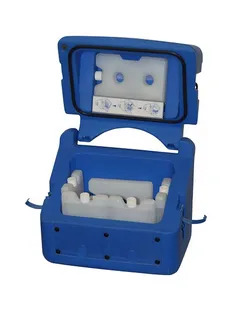
Temperature control during transport prevents spoilage and reduces food safety risks. Use insulated bags, portable refrigeration units, or compartmentalized carriers to maintain appropriate temperatures. Establish clear protocols for time-temperature monitoring and corrective actions if thresholds are exceeded.
Fleet lifecycle, maintenance, and sustainability
Lifecycle planning includes vehicle selection, preventive maintenance, and decisions about fleet renewal or electrification. Regular inspections, oil and filter changes, tire management, and telematics-driven maintenance alerts reduce downtime and extend asset life. Sustainability options—such as electric vehicles (EVs), route consolidation, and fuel-efficient driving practices—can lower emissions and operating costs over time.
Selecting vehicles and equipment
Choose vehicles that match delivery volumes and cargo needs. For dense urban areas, smaller vehicles or bikes may be more efficient; for multi-order catering runs, larger vans could be necessary. Assess costs, expected uptime, charging infrastructure (for EVs), and potential incentives or grants available from local governments.
Preventive maintenance and telematics
Preventive maintenance schedules informed by telematics data reduce the risk of breakdowns and costly repairs. Track service histories, set reminder alerts for inspections, and use digital checklists to ensure consistent procedures across the fleet.
Operational practices and performance measurement
Operational improvements often come from measuring the right metrics and creating feedback loops. Typical KPIs include on-time delivery rate, average delivery time, cost per delivery, driver turnover, fuel per mile, vehicle utilization, and customer satisfaction scores. Use dashboards to monitor trends and run experiments—such as different routing algorithms or incentive programs—to find scalable improvements.
Scheduling, staffing, and peak management
Align staffing with demand forecasts and historical order patterns. Use surge staffing, flexible shifts, or third-party drivers during peak hours while keeping base capacity in-house for quality control. Consider cross-training kitchen and front-of-house staff to assist with packaging and handoffs during busy periods.
Technology selection and data governance
Select technologies that integrate with existing restaurant point-of-sale (POS) systems, support APIs for third-party delivery platforms, and provide secure data handling. Establish data governance policies to protect customer privacy and comply with applicable regulations such as data protection standards or local privacy laws.
Integration and scalability
Prioritize systems that allow simple integration—order routing, GPS telemetry, driver apps, and reporting tools. Choose vendors that support scalable architectures and transparent pricing models to avoid costly rework as delivery volumes grow.
Data privacy and security
Implement access controls, encryption for sensitive data, and retention policies for delivery and customer records. Ensure drivers and staff understand privacy obligations and that any third-party service providers meet data protection standards.
Implementing changes: phased approach
Roll out upgrades in stages: pilot new routing or telematics with a subset of the fleet, gather performance data, refine processes, and then scale. Use pilot results to build training materials and update SOPs (standard operating procedures) before full deployment.
Continuous improvement
Regularly review KPIs, collect driver and customer feedback, and perform periodic safety and quality audits. Adjust policies, technology configurations, and staffing models based on measurable outcomes.
Frequently asked questions
What is restaurant delivery fleet management?
Restaurant delivery fleet management covers the systems and practices used to plan, operate, and maintain vehicles and drivers that deliver food, including route planning, telematics, order integration, safety protocols, and maintenance scheduling.
How can a restaurant improve its restaurant delivery fleet management?
Improvements come from integrating order systems with routing tools, applying telematics for safety and maintenance, training drivers, monitoring key performance indicators, and piloting changes before full rollout.
Which metrics are most useful to measure delivery performance?
Common metrics include on-time delivery rate, average delivery duration, cost per delivery, fuel consumption per mile, vehicle utilization, driver retention, and customer satisfaction ratings.
When should restaurants consider electric vehicles for delivery?
Consider EVs when route lengths and return-to-base cycles match available range, when charging infrastructure is accessible, and when long-term cost and emissions reductions align with business goals. Evaluate incentives and total cost of ownership to inform decisions.
What regulations or resources should be consulted for delivery safety and food handling?
Consult local health departments for food handling and temperature control rules and national authorities for vehicle and driver safety guidance. The U.S. Food and Drug Administration (FDA) provides federal food safety resources and guidance.