Top Restricted Area Treks in Nepal You Must Experience Once in a Lifetime
-
- March 25th, 2026
- 7,727 views
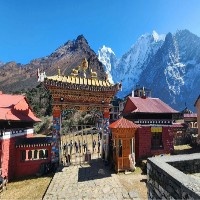
What is beyond the popular trekking routes in Nepal? The nation is home to restricted treks that are mainly unexplored, even though routes like the Annapurna Circuit and Everest Base Camp draw thousands of tourists each year. Travelers can experience Nepal in its most genuine form on these undiscovered trails, which offer isolated landscapes, historic villages, and centuries-old cultural customs. Trekking in these regions is more than just traveling over mountains; it is a journey into the heart of Himalayan existence, where each step unveils stunning landscapes, a sense of spiritual vitality, and the unspoiled beauty of local villages.
Understanding Restricted Treks
In Nepal, restricted treks are places that need specific permits, frequently because of sensitive cultural, environmental, or geopolitical issues. Examples of protected areas are Upper Mustang and Upper Dolpo, which are known for their delicate ecosystems and distinctive Tibetan-influenced civilizations. Trekkers with certified guides or registered agencies are typically the only ones allowed entry, guaranteeing their safety and adherence to local regulations. Although these rules may appear difficult, they improve the trekking experience by maintaining unspoiled scenery and uncrowded pathways. This exclusivity offers adventurers a once-in-a-lifetime chance to visit sections of Nepal that few tourists ever see, as well as deeper relationships with nature and important cultural exchanges.
Upper Mustang Trek
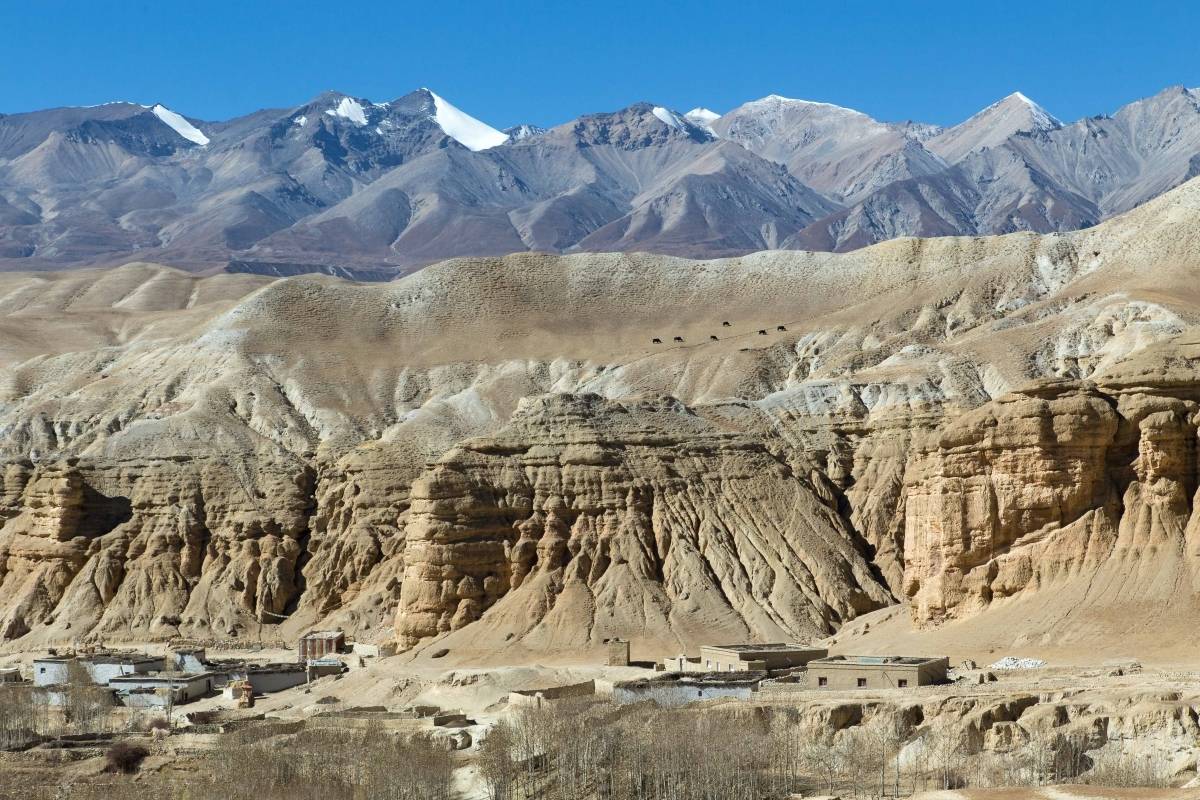
Many people describe the Upper Mustang Trek as a trip to a secret country where time has stopped. Tibetan culture had a strong influence on the ancient Lo Kingdom, which was located in the northern portion of Nepal. The trek's focal point is the walled capital of Lo Manthang, which provides visitors with an insight into medieval culture, historic monasteries, and traditional Tibetan architecture. Upper Mustang is visually different from other regions of Nepal due to its harsh, desert-like terrain, which include dry valleys and red cliffs.
Trekkers must travel with a qualified guide and get permits, which emphasizes both safety and cultural preservation. Due to the area's low population, trekkers can enjoy peace and isolation that are becoming more and more uncommon on popular trails. Along the route, you will come across little villages, mani walls, and monasteries that date back hundreds of years. Few locations in the world can compare to the adventure, culture, and picture opportunities that the journey offers.
Upper Dolpo Trek
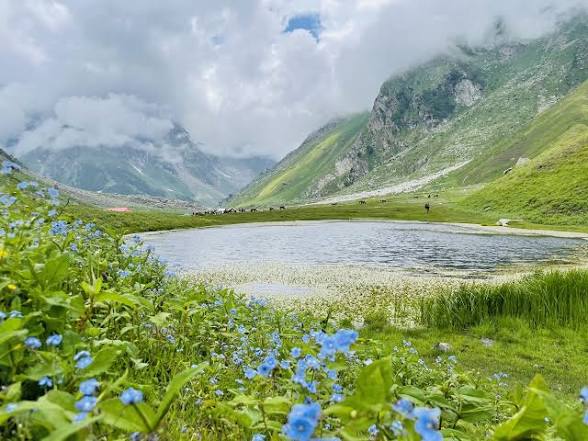
One of Nepal's most isolated and mystical treks, the Upper Dolpo Trek is frequently compared to trekking in Tibet because of its cultural and geographical parallels. Upper Dolpo, located in western Nepal, is home to beautiful valleys unexplored by mass tourists, high-altitude deserts, and glistening turquoise lakes. The Bon religion and Tibetan Buddhist traditions flourish in the small villages that trekkers traverse, providing a unique window into centuries-old spiritual customs. With its high passes, lengthy walking distances, and sparse services, this expedition is physically demanding. Yak caravans, which provide supplies to nearby villages, are a frequent sight. Due to the area's isolation, trekkers need to be emotionally and physically prepared. Despite the difficulties, Upper Dolpo offers visitors breathtaking scenery, such as glistening lakes, snow-capped mountains, and expansive grasslands. Every step takes you farther into a world where time passes in a different way and every encounter with people is genuine and unforgettable.Manaslu Circuit & Tsum Valley TrekFor travelers looking for a mix of high-altitude challenge, cultural immersion, and scenic beauty, the Manaslu Circuit and Tsum Valley Trek is a hidden gem. The trek offers breathtaking views of the Himalayas as it circles Mount Manaslu, the eighth-highest peak in the world. The culturally distinctive Tsum Valley, often known as the "Hidden Valley," is home to monasteries, traditional communities, and ancient Tibetan Buddhist customs that have mostly been unaffected by tourism. Trekkers experience interactions with friendly, welcoming communities, see local customs, and watch prayer flags fly in the breeze.Long trekking days, steep ascents, and difficult passes like Larkya La (5,106m) make the route physically demanding. In order to avoid altitude sickness, trekkers should properly acclimate and plan rest days at settlements like Samagaon and Namrung. Careful preparation is necessary for food, supplies, and medical emergencies due to the scarcity of teahouses and the isolated locations.The Manaslu Restricted Area Permit and TIMS Card are required for this journey, and it is strongly advised to hire a certified guide. Compared to well-traveled routes like the Annapurna Circuit or Everest Base Camp, the trek's isolated location guarantees a more tranquil experience with fewer passengers. For committed trekkers, the Manaslu Circuit and Tsum Valley Trek is a once-in-a-lifetime experience because of its breathtaking scenery, unique culture, and difficult terrain.Kanchenjunga Region TrekThe third-highest mountain in the world, Mount Kanchenjunga, dominates the lonely and pristine Kanchenjunga Region Trek in the far eastern Himalayas. For those looking for peace, pristine scenery, and abundant biodiversity, this area is a haven. Trekkers come across uncommon species like snow leopards, red pandas, and Himalayan black bears, as well as lush forests, alpine meadows, and glacial rivers.Kanchenjunga offers equally fascinating cultural experiences. The journey travels through the communities of Limbu and Rai, where customs, festivals, and distinctive rituals that date back hundreds of years are still going strong. The original wooden pagoda-style homes, stone chortens, and old monasteries are all visible to visitors.
With high passes, steep ascents, and few amenities, the route is physically demanding. Trekkers must be ready for remote circumstances with few lodges and minimum amenities, and acclimatization is essential. Because of the area's restricted status, permits and a qualified guide are required to ensure both safety and cultural respect.The Kanchenjunga Region Trek is an exciting adventure into Nepal's nature and cultural core that goes beyond a simple trek. It provides unmatched grandeur, tranquility, and spiritual understanding for those looking for adventure outside the usual route, making it an absolutely remarkable Himalayan experience.
Nar Phu Valley TrekNestled in the Annapurna range, the Nar Phu Valley Trek is a hidden gem that provides the ideal fusion of traditional culture and scenic beauty. There are high mountain ranges and striking gorges around the remote villages of Nar and Phu. Because it is less crowded than the well-known Annapurna Circuit, trekkers can enjoy beautiful trails, tranquil surroundings, and the friendly hospitality of remote villages. A generation-old way of life, prayer flags flapping in the breeze, and old stone homes are all features of the villages.Trekkers must properly acclimate and prepare for the challenging terrain and high passes they traverse. Even though the distance is moderate, the terrain and altitude make it a difficult excursion that rewards perseverance with breathtaking views of the Himalayas and genuine cultural experiences. Festivals, regional customs, and conversations with locals offer a fascinating look into traditional living. One of Nepal's must-see restricted trekking sites, the Nar Phu Valley Trek offers an incredible experience for anyone looking for adventure, solitude, and a profound cultural immersion.
Preparation Tips for Restricted Treks
Trekking in Nepal's restricted areas is an adventure into the wild rather than your typical mountain walk. Since these trails take you far from the conveniences of popular trekking routes, your best defense is preparation. Make sure you are physically fit at least two months prior to your trip. Your body can adapt to steep ascents and lengthy walking days by training stair climbs, aerobics, and hiking with a full backpack.Then think about acclimatization. Give your body time to adjust by including rest days or shorter walks in your plan, as many restricted area treks reach elevations exceeding 4,000 meters. Always have altitude sickness medication on hand, and drink plenty of water. Packing sturdy trekking boots, thick layers, waterproof clothes, and sleeping bags suited for high-altitude cold is also important. Bring personal necessities like snacks, power banks, and a first aid kit because most restricted areas have few facilities. Finally, because solo hiking is prohibited in some places, make sure your trekking service offers certified guides and obtain all necessary permits in advance.Responsible Trekking PracticesYou are not just traversing mountains when you explore Nepal's restricted areas; you are also encountering societies that have coexisted peacefully with the environment for many generations. The goal of responsible trekking is to maintain this equilibrium. Always follow local traditions: take off your shoes before entering houses or monasteries, get permission before taking pictures, and refrain from carelessly handling religious objects.
Environmental protection is equally vital. Pack out all waste, stay away from single-use plastics, and use eco-friendly items whenever you can because these delicate ecosystems are extremely sensitive. To stop erosion and to avoid upsetting the local species, stick to designated trails.
Boosting regional economies has a beneficial effect as well. Hire native porters and guides, purchase handcrafted goods, and stay in community lodges. Their expertise preserves the traditional way of life in the area while also enhancing your experience. For the benefit of future generations, every tiny act of awareness helps protect Nepal's most sacred landscapes.
Conclusion
Restricted area treks in Nepal provide more than just challenging travel; they are chances to rediscover the unspoiled landscape, simplicity, and spirituality. You may experience a side of the Himalayas that has not been affected by mainstream tourism by walking through forgotten valleys and historic communities.Every step tells a tale of culture, resiliency, and breathtaking natural beauty. The benefits of these travels are transformative, but they also need preparation, humility, and respect. The remote areas of Nepal are waiting for you if you are looking for an adventure that combines independence, difficulty, and exploration. Consider trekking with Nepal Trekking Routes, who specialize in leading adventurers through Nepal's most remarkable trails, for a secure, genuine experience.